
Gaza has been hit by flooding for the fourth consecutive winter amid the ongoing genocide, leaving families in displacement shelters helpless as floodwater enters their tents and destroys their remaining belongings.
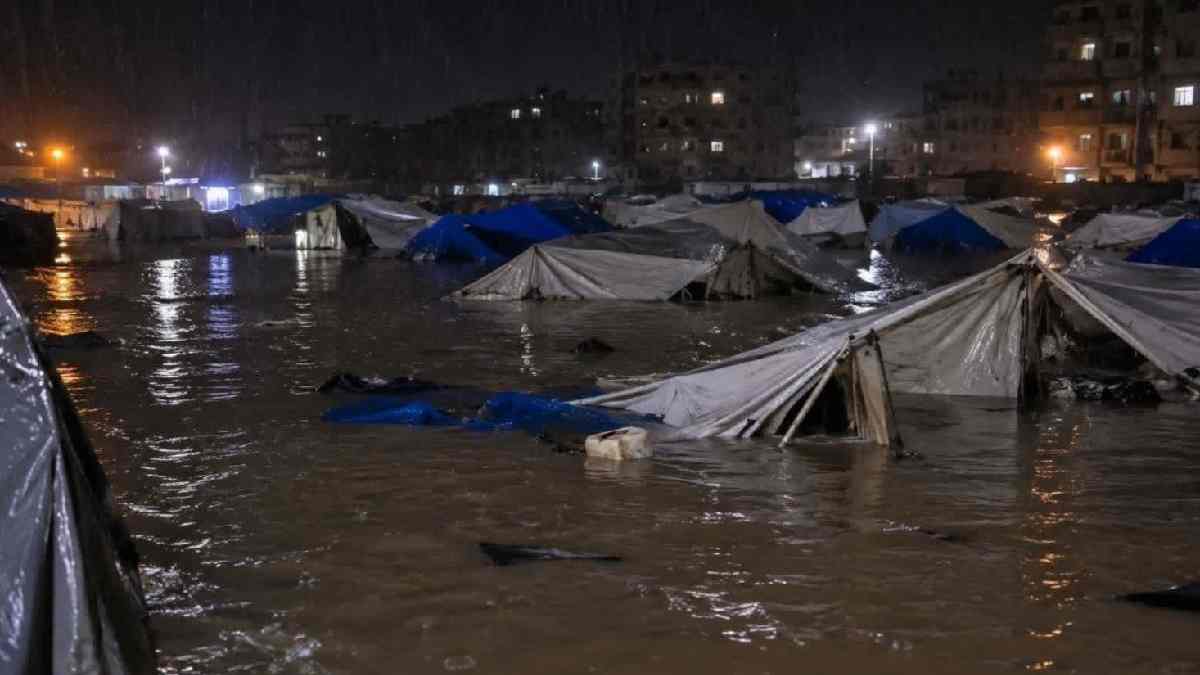
The humanitarian crisis in Gaza has been further deepened by harsh weather conditions. Israel's military offensive has left approximately 82% of structures across Gaza damaged, according to the latest UN satellite assessment, leaving Palestinians displaced and many without adequate shelter.
With damaged drainage systems and inadequate temporary shelters, thousands of displaced families remain vulnerable to flooding. The UN has warned that nearly 950,000 displaced Palestinians are living in areas exposed to moderate or high flood risks.
Gaza's already damaged municipal infrastructure, drainage networks and pumping facilities have left displacement camps particularly vulnerable. Even relatively limited rainfall can become life-threatening when there is no adequate infrastructure to drain accumulated water.
The situation was visible again on Nov 6, when heavy rainfall flooded displacement tents in several locations. Reports from Gaza described water entering tents around Gaza Port, with residents attempting to salvage their bedding and belongings. A displacement camp northwest of Beit Lahia was also reportedly submerged.
The Gaza Municipality spokesperson has previously stated that more than 85% of Gaza City's infrastructure has been damaged and that its rainwater drainage system is operating at approximately 20% of its former capacity.
The human cost of the ongoing genocide
Gaza has already recorded approximately 74,618 deaths since the beginning of Israel's military offensive, with 175,925 people injured, according to figures released by the Gaza Health Ministry on Nov 5. Around 11,200 people are listed as missing in Palestinian statistics, with thousands believed to remain trapped beneath the rubble of destroyed buildings.
According to the World Health Organization (WHO), approximately 25% of those injured in Gaza have sustained life-changing injuries. Its May 2026 assessment estimated that around 43,000 people had suffered such injuries, including approximately 10,000 children.
The genocide has also had a devastating impact on children. UNICEF reported that at least 21,700 children had been killed as of Jun 30, 2026, while more than 11,000 children had sustained life-altering injuries. The scale of childhood disability and long-term rehabilitation needs further demonstrates the lasting consequences of the destruction.
Elections, political decisions and public opinion
As elections in Israel and the United States have once again demonstrated, elected officials have the power to determine policies whose consequences are felt far beyond their own electorates. These decisions will be felt even more severely by people in Gaza, who have no representation in either country's elections.
While Israeli politicians will decide the direction of policies affecting their lives, American lawmakers and the administration will influence whether the United States continues funding Israel's military operations and providing military assistance.
The Oct 27 Israeli election resulted in Benjamin Netanyahu's bloc securing 53 seats, short of the 61 required for a parliamentary majority. Meanwhile, the Nov 3 US midterm elections resulted in Democrats winning control of both chambers of Congress, potentially changing the legislative scrutiny and political constraints surrounding the Trump administration's policies, although concerns remain as democrats have Zionist politicians like Hakim Jeffries, who is expected to become the Speaker of the House and has shown unwavering support for Israel.
Who decides the fate of Gaza?
These floodwaters, along with the countless inhumane tortures that the IDF puts Palestinians through, raise serious questions about who decides for whom and how much autonomy people have in this modern, interconnected, globalised world.
The people bearing the consequences of these political and military decisions have little control over the institutions and governments determining their living conditions, security and future.

Comments