
A reported data leak dubbed “Icepick” has raised new fears about the privacy and security of US government personnel after information on more than 41,000 individuals linked to the Department of Homeland Security (DHS), including Immigration and Customs Enforcement (ICE) agents, was exposed.
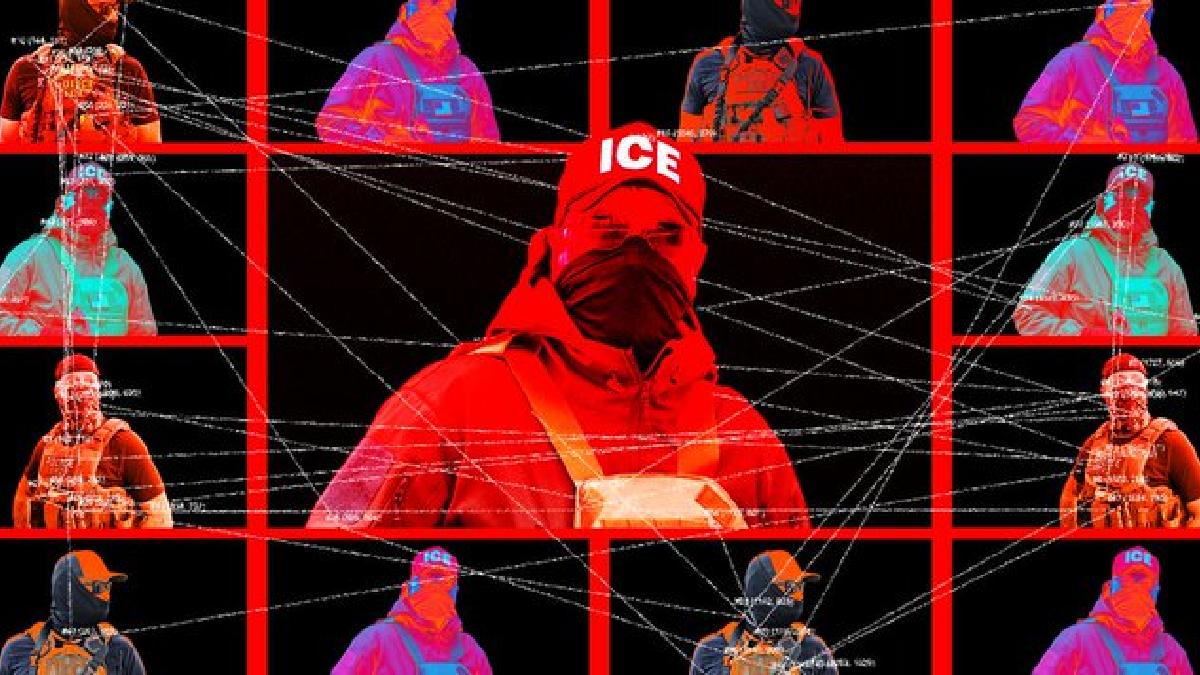
The incident raised concerns as to the increasing risks for government employees whose professional responsibilities may make them targets of online harassment, intimidation or retaliation. The alleged leak has also revived questions of how to balance public accountability with individual privacy, especially when government agencies are involved with controversial immigration enforcement operations.
The hacker is associated with that incident and has attempted to put “anonymity behind accountability.” That’s a part of a larger debate about whether identifying government personnel can be justified as public scrutiny. But exposing personal information can have negative consequences beyond the intended targets.
Depending on the information disclosed, someone may be subjected to unwanted contact, harassment, identity theft and even threats to their personal safety. Family members and other people connected with government employees may also be hurt if the exposed records contain information that links personnel to their private lives.
The Department of Homeland Security is the largest federal agency in the U.S. that handles national security and law enforcement. ICE is responsible for immigration enforcement and investigations of violations of federal law. And when questions of arrests and deportations are made public, it can be very difficult to know what the officer or other employee is up to. But the information in question is not proof that someone is in trouble in the leak.
According to the report published on October 28, 2026, the dataset contains nearly 42,000 DHS employees and contractors’ names, telephone numbers, email addresses, job titles and internal email group memberships. Over 21,000 records are associated with Customs and Border Protection (CBP), while 6,600 are for ICE personnel. Other agencies in the data are Homeland Security Investigations, the Cybersecurity and Infrastructure Security Agency (CISA) and US Citizenship and Immigration Services.
Some of the accounts show links to surveillance activities, computer forensics, special operations and undercover assignments. That information could help to shed light on the organisation within federal law enforcement agencies and help journalists and researchers understand how departments function.
But the disclosure of details related to sensitive assignments raises very serious questions about operational security. And even when some information is publicly available, if combined with internal records, there are connections that were previously difficult to make.
The organisation Distributed Denial of Secrets, which publishes leaked information, reportedly made the dataset available alongside a searchable tool developed by Swiss hacker and hacktivist maia arson crimew. Their tool is intended to help journalists, activists, legal advocates and researchers search the records, the publication suggests. Its supporters say the information can be used to make public records requests, to conduct congressional investigations and to examine government policies. “Replace anonymity with accountability” is why the release has been sought in a time of public disputes over immigration enforcement and officers’ identity privacy.
But the specifics of the alleged breach remain at least partly unresolved. The group calling itself the Department of Peace was said to have received the information through DHS’s Okta single sign-on service. Reuters said it could not independently verify that account, or the entire dataset. Okta claimed that it did not have any evidence of any data breach and it didn’t know how it had been done. While journalists have verified some employee information independently and in direct conversations, it is not clear how exactly the information was obtained or by whom.
DHS has admitted it was aware of the breach and said it was trying to respond to it and protect its employees. The incident comes amid a series of recent public disclosures over U.S. government personnel data that have raised questions about the security of sensitive materials held by federal agencies. Investigators will need to figure out how access was gained, what information was affected and if more systems or accounts are at risk.
The Icepick incident brings to light an important question for democratic societies: how can governments be held to account without putting employees’ lives at risk? Transparency can be useful to expose misconduct and open oneself to independent scrutiny, but in doing so people can be exposed, and their families can be held to ransom.
A proper response will take time and investigation, appropriate security measures and consideration of the public interest. When it is clear what has happened, the leak is a serious cybersecurity and privacy issue, not the product of wrongdoing that has been identified by everybody who has been in the records.







Comments