
Kerala High Court on Thursday, October 29, granted interim protection from arrest to an additional district judge whose 17-year-old son was allegedly driving a Mercedes-Benz involved in a fatal accident in Kochi. The crash took the life of a 55-year-old scooter rider, Jayabalakrishnan.
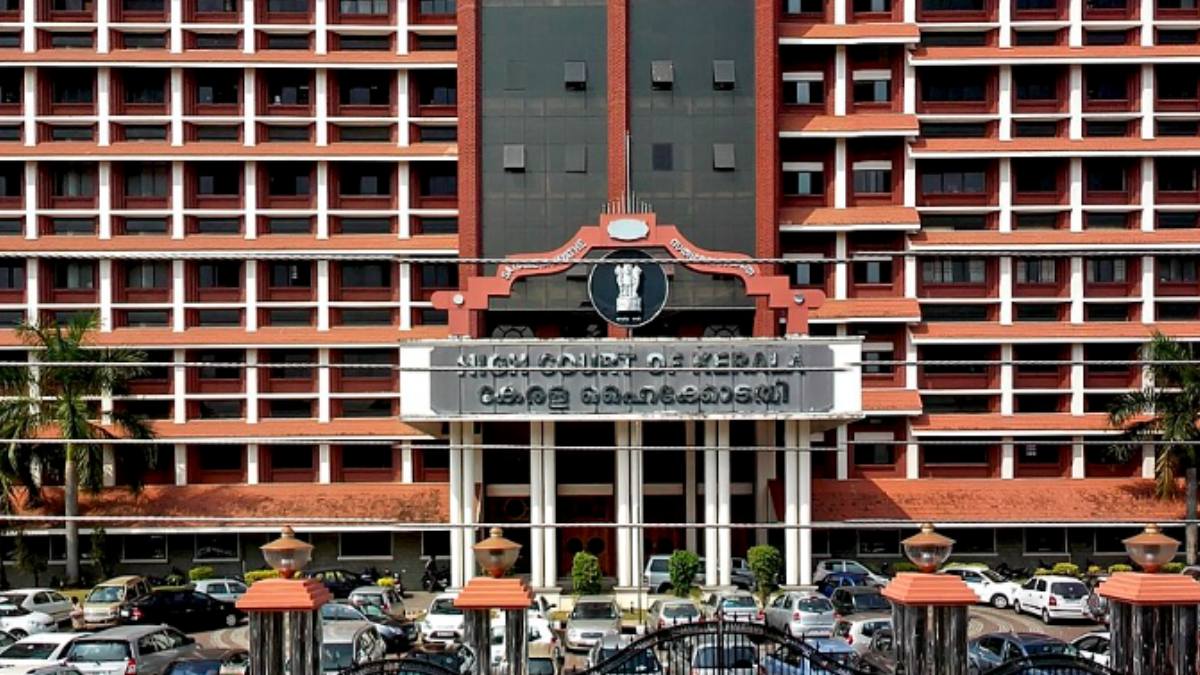
The court then asked why the judge was arrested when he had already been questioned by the police and appeared before them. The order is intended as temporary relief for the judge while the investigation continues.
What happened in Kochi Mercedes crash?
The accident took place in the early hours of October 25 on Container Road in the Cheranalloor neighborhood of Kochi. The judge’s minor son’s Benz hit a scooter driven by Jayabalakrishnan, who was returning home after closing his roadside eatery, police said.
The 55-year-old man died in the crash. Public anger and calls for strong action against those responsible came from people to take action against them.
The teen was booked under provisions of rash driving, culpable homicide not amounting to murder and driving without a valid licence. He was later granted bail from the Juvenile Justice Board. The state has since applied for cancellation of that bail.
Why was the Judge Booked?
The police also filed a case against the judge, who is posted at a Motor Accident Claims Tribunal in Irinjalakuda, Thrissur district.
The action was taken in his capacity as the registered owner of the car allegedly driven by his minor son. Section 199A of the Motor Vehicles Act deals with offences committed by juveniles and the possible responsibility of the vehicle owner or guardian, subject to legal exceptions.
In his anticipatory bail plea, the judge claimed he did not know his son had taken the car. He said he learned about the accident after receiving a phone call.
All the allegations against the judge are still under investigation and are being investigated by the courts.
What did the Kerala High Court say?
At the hearing on October 29, Justice Kauser Edappagath questioned the need for more interrogation and arrest. Senior advocate P. Vijaya Bhanu, the judge’s lawyer, claimed that his client had already been questioned for more than four hours and would cooperate with the investigation.
The court asked, “Why is his arrest necessary?” and he added that the judge was a judicial officer who had given an agreement to cooperate.
The High Court directed the police not to arrest the judge until further orders. It also instructed him to appear before the investigating officer and cooperate with questioning in accordance with the applicable Supreme Court guidelines.
This court’s order is interim relief and should not be interpreted as a finding that the judge is innocent or that the allegations have been dismissed.
Public anger continues to keep a probe on the go.
The case has attracted widespread attention in the wake of allegations of lapses in the initial police response. Investigation was transferred to the District Crime Branch and police personnel were taken to task for the handling of the case.
The family of the victim has also expressed concerns and is seeking action against the judge. The High Court’s administrative committee has held off on deciding disciplinary action and an investigation is ongoing.
The immediate question is whether investigators will find evidence establishing the judge’s responsibility under the law. The High Court’s protection from arrest does not prevent the police from continuing their investigation.
The case is still under investigation and the victim’s family is calling for justice and the judge insists he is willing to cooperate with the authorities.




Comments