
A magnitude 6.9 earthquake hit central Peru’s Andean highlands on Friday night, November 20, sending people in the capital Lima out into the streets and forcing lawmakers to flee Congress.
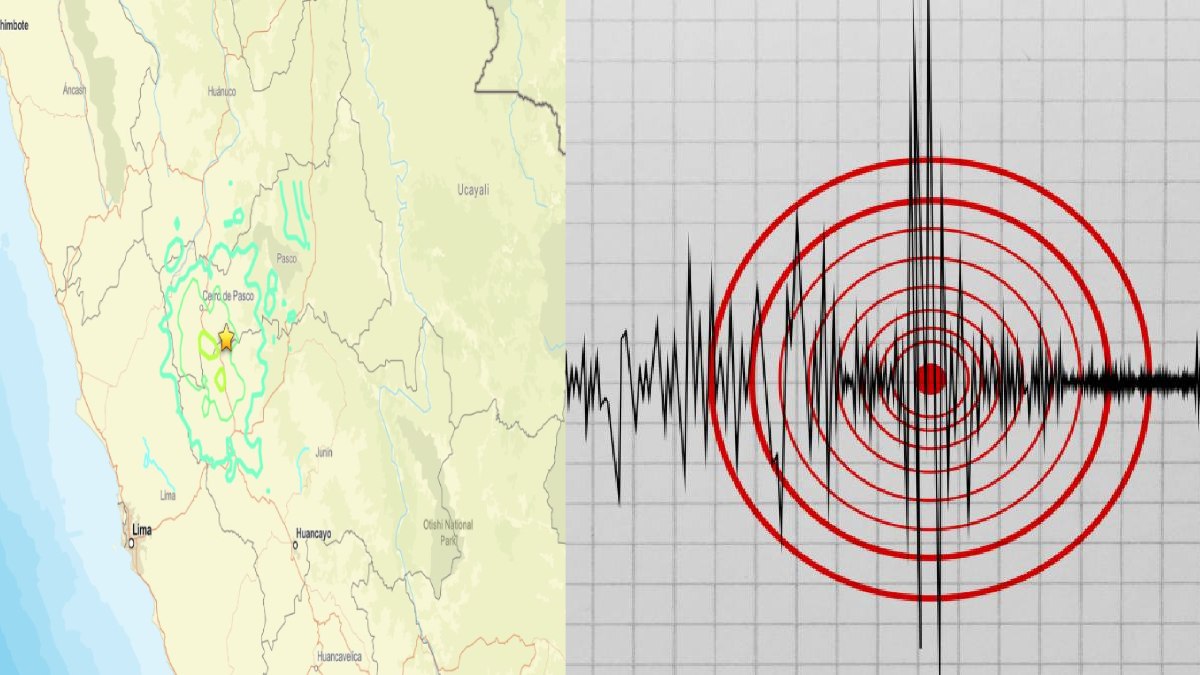
The tremor (7:09 p.m. local time / 00:09 UTC Nov 21) originated in the Junín region about 30 km northwest of the town of Junín or near Carhuamayo and Ondores, according to reports from Instituto Geofísico del Perú (IGP) and U.S. Geological Survey (USGS), respectively.
Depth estimates ranged from about 108 kilometres (USGS) to 129 kilometres (IGP). It was an intermediate-depth quake that allowed seismic waves to travel far and produce shaking for a long time.
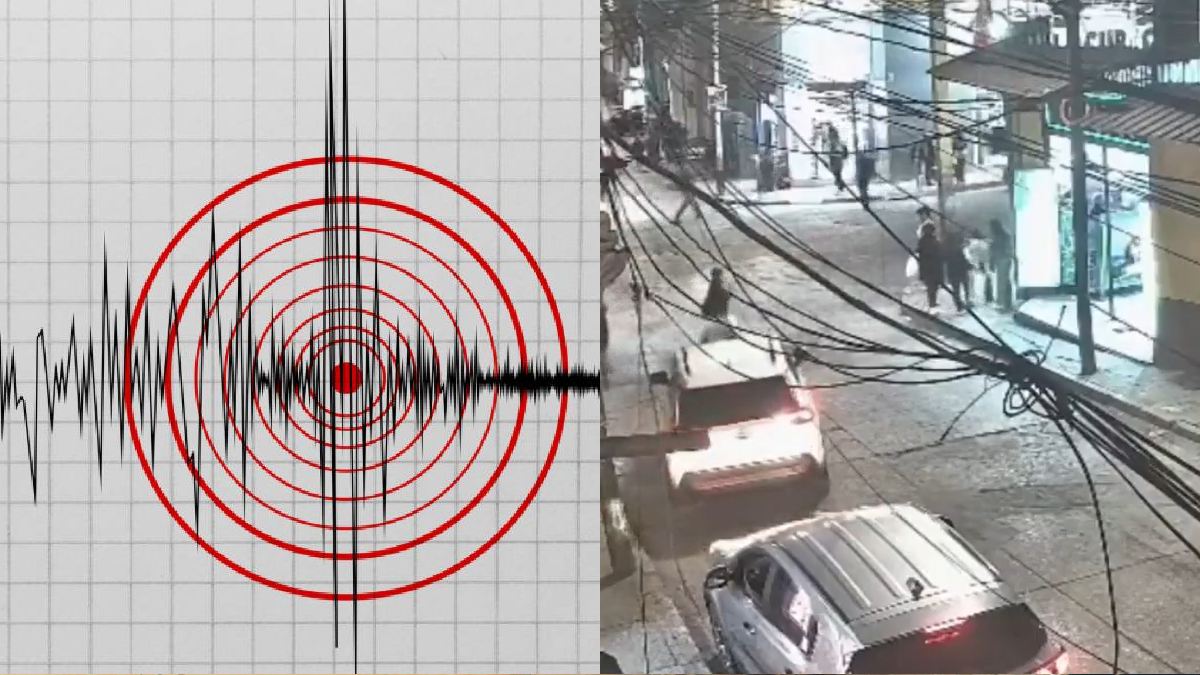

In Lima, more than 200km away from the epicentre, the ground movement was strong enough to rattle buildings and drive families outside; residents carried young children and pets as they sought open space while television footage showed legislators leaving the congressional premises as a precaution.
The shaking was also felt in surrounding areas (Callao, Huánuco and parts of Pasco). Local residents said walls had been rumbling for a long time. Deep earthquakes have wave trains that travel farther through the crust, so the area perceived is wider than the length of the shaking itself.
IGP president Hernando Tavera said that the intermediate depth explains both the wide area of perception (from Áncash north to Lima) and the length of the shaking (from Áncash to Lima). Peruvian authorities initially reported no casualties or widespread structural collapse.
A magnitude 6.9 earthquake shook the Andes in central Peru on Friday with no immediate reports of damage or casualties. The US Geological Survey said the earthquake struck at 7:09 pm local time (0900 GMT Saturday). Its epicentre was in the Andes, 34 kilometres (21 miles) north of Junin, at a depth of 108 kilometres (67 miles). (Photo Source: USGS)
— Press Trust of India (@PTI_News) November 21, 2026
Vicente Quispe, local council member from Junín province, told broadcaster RPP it was the first time an earthquake of this magnitude had hit their area, and no reports of damage had arrived yet.
The National Institute of Civil Defence (Indeci) and regional officials said they were inspecting remote districts, but early on there were scattered impacts rather than major destruction like rockfalls and landslides on hillsides and roads (sections of San Ramón–Tarma route; near Huarochirí) as well as along Costa Verde cliffs in Miraflores of Lima.
Some homes were damaged (about 14 dwellings in the Ulcumayo area’s Chogodo settlement), and light structural damage was reported at a hospital in Pichanaqui, a university facility in Chanchamayo and a church in Huánuco; temporary power outages were reported in places like Pichanaqui and minor traffic disruptions after rockfalls, but no serious accidents occurred.
Defence minister Rafael Belaúnde and Indeci head Luis Vásquez said material effects were not significant yet, early on, but teams were still assessing and preparing for any humanitarian aid that might be needed. The U.S. Tsunami Warning System and Peru’s Hydrography and Navigation Directorate both ruled out a tsunami threat to coastal areas.
Junín is a major mining region with several midsize operations as well as the large Chinalco-owned Toromocho copper mine. Peru is one of the world’s biggest copper producers, and mining remains a pillar of the national economy.
Early reports did not say much about facilities being disrupted. The country is located along the Pacific Ring of Fire, which is the largest arc of tectonic activity in the world where most earthquakes occur. This quake came after other seismic activity in the same broader Andean zone earlier in 2026 (a shallower July quake in Junín killed people and destroyed homes; an August magnitude-6.7 quake injured people and damaged buildings).
The deeper Friday quake seems to have spared surface destruction near the epicentre compared with those shallower ones. Authorities said to remain calm and monitor through the National Seismological Centre. Indeci urged residents to keep emergency kits and family plans, standard advice for a seismically active country that experiences hundreds of quakes each year (most too small to feel).
As assessments of remote Andean communities continue, so far the impact has been contained, but the long shaking and wide reach served as a reminder of the region’s ongoing seismic hazard. Officials expect more updates as more detailed inspections wrap up in hours and days ahead.





Comments