
Crude oil prices jumped sharply as Yemen’s Iran-aligned Houthi group claimed responsibility for attacks on Saudi Arabia’s Ras Tanura oil refinery and a financial district in Riyadh, fresh evidence that energy infrastructure in the Middle East is not secure.

The latest escalation has further shaken international markets because traders are monitoring crude production, refining operations and oil shipments closely for signs of disruption. Saudi Arabia is one of the world’s largest oil producers and stability in global energy supplies depends on it.
With the reported attack and renewed threats to commercial shipping through the strategically important Strait of Hormuz, investors have had to price in more geopolitical risk into crude oil prices.

In early Asian trading on November 26, Brent crude futures were at $94.71 per barrel (0.1% higher after jumping sharply in the previous session), while US WTI crude futures rose by about 0.4% to $84.03 per barrel. The gains followed a stronger rally on Wednesday, November 25, when Brent crude settled up 3.5% at $94.61 per barrel and WTI up around 2% to $83.68 per barrel, as worries mounted that attacks on energy infrastructure could further cut oil supplies and derail the slow recovery of global crude supplies.
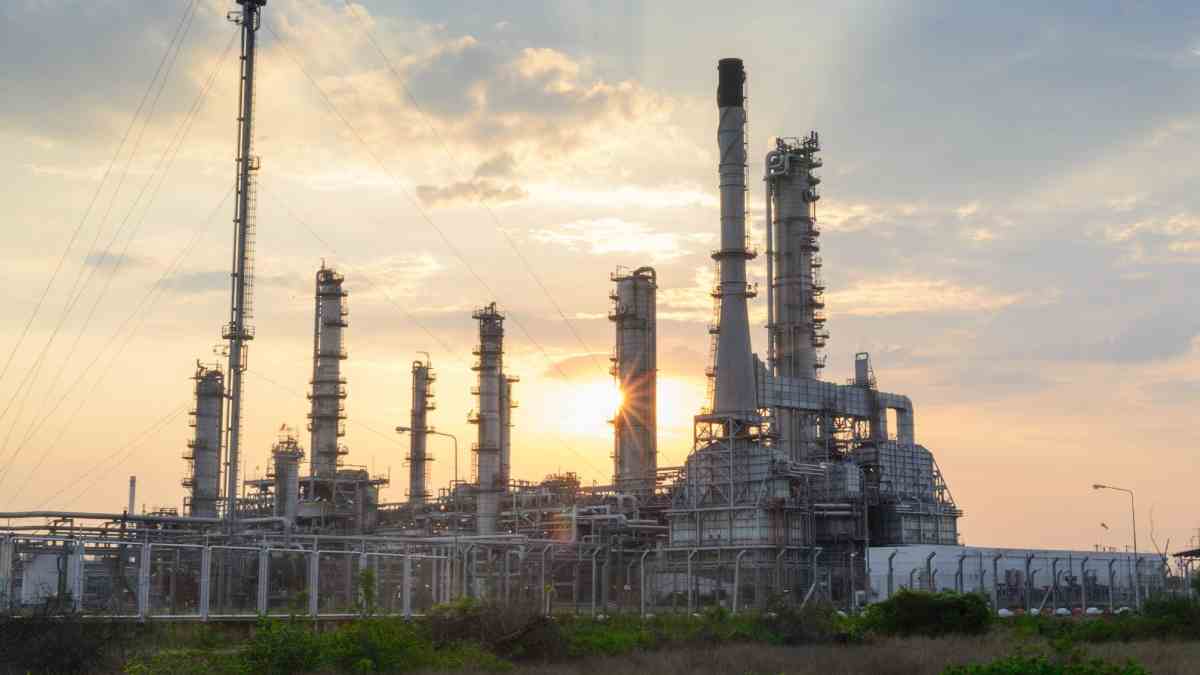
The latest security scare surrounds the Ras Tanura refinery in Saudi Arabia’s Eastern Province. It is the kingdom’s largest refinery (550,000 barrels per day capacity). It forms part of a larger industrial complex which also acts as an important crude oil export terminal.
Yemen’s Houthi military spokesperson Yahya Saree said that Houthis had struck the refinery and fires broke out there; they also claimed responsibility for another attack on Riyadh’s King Abdullah Financial District, but Saudi authorities did not confirm that the refinery was hit directly. Saudi-led coalition spokesman Turki Al-Maliki said air defences intercepted four drones over Ras Tanura on Wednesday morning and destroyed them. Initial reports said no one was hurt, although debris from the interceptions fell in the area around them, he added.
Ras Tanura is more than just a refinery; it’s connected to a major crude export terminal that can handle large volumes of Saudi oil shipments. If its operations are disrupted for too long, the country’s ability to ship crude into markets (especially Asian buyers) will be affected.
Saudi Arabia has previously used alternative export infrastructure (Red Sea port Yanbu) in times of regional instability, but shifting export routes cannot eliminate attacks on energy infrastructure or maritime transportation. Traders have therefore been worried by the latest developments because they don’t know whether the Middle East’s oil supply network can survive another prolonged period of conflict.
Another major driver of crude oil prices is the uncertainty in the Strait of Hormuz. The narrow waterway connects the Persian Gulf with the Gulf of Oman, and it’s one of the world’s most important shipping lanes for international oil. A lot of crude oil exports from major Middle Eastern producers go through this shipping route; commercial vessels are getting hit by projectiles, tankers encounter possible naval mines and so on.
Iranian state media said tankers had struck mines in the strait (at least one vessel reportedly caught fire). Any prolonged disruption to shipping through this route could be very serious for countries which import a lot of Middle Eastern crude.
Market analysts say the latest news could push up the crude oil risk premium, meaning traders are willing to pay more for oil because they don’t know what will happen with future supplies, even though there is no immediate confirmation of a major production cut.
Analysts have also said that the so-called ‘honeymoon period’ in global oil availability may be short-lived if the conflict escalates further. Reuters said exports of Persian Gulf crude had increased the previous week but were still falling. That has complicated energy markets as fears about shortages compete with expectations of a global oil supply surplus.
On the US front, too, things are happening that may affect crude oil prices. The US Energy Information Administration said commercial crude oil inventories rose by about 1.1 million barrels last week (ending Nov 20) to total 418.9 million barrels; the build was smaller than market expectations for around 1.5 million barrels.
Normally, rising crude stocks weigh on oil prices because it shows more supply is available; but the latest geopolitical developments have overshadowed some of these concerns, and investors are now focusing more on the possibility of fresh supply disruptions in the Middle East.
The OPEC+ meeting on November 29 is another event that could affect international crude oil prices. Ministers of major oil producers will discuss production policies for 2027 (output targets and capacity assessments); decisions made at the meeting may determine how much oil enters global markets in the coming months.
Market participants are particularly interested to see if major producers will stick with existing arrangements or if they will adjust in response to changing demand/geopolitical conditions. Future production uncertainty, coupled with the latest security developments in Saudi Arabia and the Strait of Hormuz, has added another layer of volatility to the energy market.
For countries like India, which import crude oil heavily, sustained increases in international prices could add to economic pain. Crude prices will increase the cost of petroleum imports, put pressure on the country’s trade balance and inflation; if international prices continue to rise, oil marketing companies may also feel pressure on fuel pricing and refining margins.
But how much petrol and diesel prices will go up or down in India depends on many factors, including what international crude benchmarks are set at, the rupee-dollar exchange rate, government taxation and domestic fuel pricing decisions.
International energy markets will be watching Saudi Arabia’s response, whether the Ras Tanura complex is operational and what happens to commercial shipping in the Strait of Hormuz too. Houthi group claims of attack have already pushed oil prices higher, but questions remain over how much damage there actually was and how much oil exports would suffer.
If tensions flare up further and energy infrastructure or shipping routes get hit again, crude prices could rise more sharply. Traders are weighing immediate geopolitical risks against expectations for higher global supply now, so the Middle East conflict is one of the biggest factors in shaping the international oil market right now.





Comments