
A powerful earthquake measuring 7.7 on the Richter scale struck Panama on Friday, October 9, shaking buildings in the capital, Panama City, and forcing residents and workers to evacuate buildings.
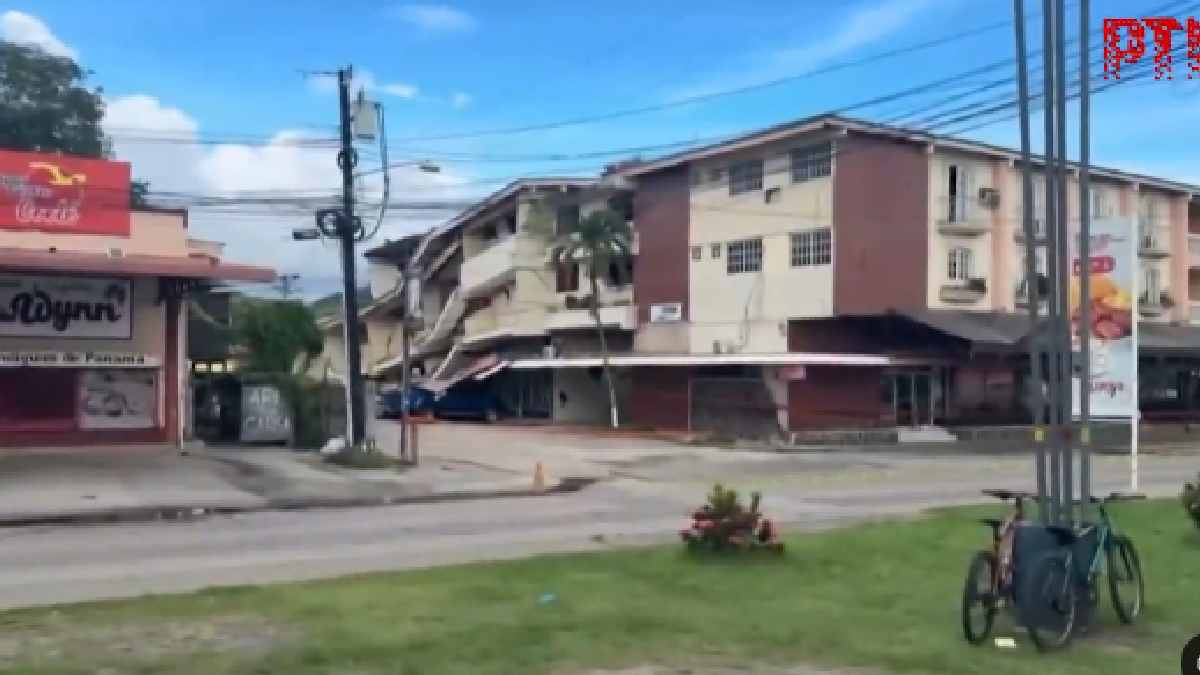
But most of the country felt the earthquake across several regions of the country and there are fears of damages to infrastructure and people in the affected areas’ safety (e.g., homes and businesses and workers’ lives.
The epicentre of the earthquake was near Pitaloza Arriba, in Herrera Province. The first earthquake was at a shallow depth, estimated to be 10 to 13 kilometres below the Earth's surface. The USGS initially assessed the earthquake at 8.0, but then adjusted it to 7.7.
The shaking was strong enough to alarm people in Panama City, which is located about 200 kilometres from the epicentre. Business people, residents and others rushed out as buildings swayed during the earthquake. People huddled in open areas, away from high buildings and waited for information from authorities. There was a temporary delay in some parts of traffic, some people said.
Damage has been reported in various central provinces, including Herrera, Coclé, Veraguas and Los Santos. Structural damage occurred and roads were cracked. Some structures collapsed. Penonomé buildings suffered damage, and the historic Church of San Atanasio in the province of Los Santos collapsed.
Emergency teams began assessing the situation in affected communities to assess the extent of the destruction. Initial reports indicated injuries but no fatalities were verified by early official assessments on Friday.
And officials continued to survey buildings and public infrastructure to determine where there were hazards to residents.
VIDEO | Panama: A 7.7 magnitude earthquake struck Panama, shaking buildings in the capital and prompting evacuations. For use only in India (Source: AP/PTI) (Full video available on PTI Videos - https://t.co/d8jp61yd2p) https://t.co/wx1b1YEkGu
— Press Trust of India (@PTI_News) October 10, 2026
The main earthquake was followed by another strong earthquake of magnitude 6.6 and a number of aftershocks. These movements raised fears of the stability of buildings already weakened by the initial shaking. The earthquake was felt in neighbouring Colombia too.
The possibility of tsunami activity prompted warnings in parts of the Pacific coast. Monitoring agencies assessed the threat and the warnings were lifted later after some further evaluation. Tocumen International Airport briefly suspended operations as a precaution, although the Panama Canal was still functioning at the time.
President José Raúl Mulino said people should remain calm and wait for the results and to be able to coordinate and respond. Emergency services were still monitoring affected places and information on transport, public facilities and building safety was still being sought.
Panama is in the region affected by tectonic activity so earthquakes are a known natural hazard. Strong, shallow earthquakes can cause great damage as seismic waves can reach the surface with large intensity.
Preparedness, evacuation protocols and communication with the public, in case there is a disaster, emergency preparedness, safe evacuation and communications with each other are necessary in case of natural disasters.
Aftershocks continued to affect the damage to buildings and authorities were assessing the effects of the earthquake; residents were told to take such announcements in the public and to avoid buildings that were damaged by the earthquake.






Comments
Leave a Comment