
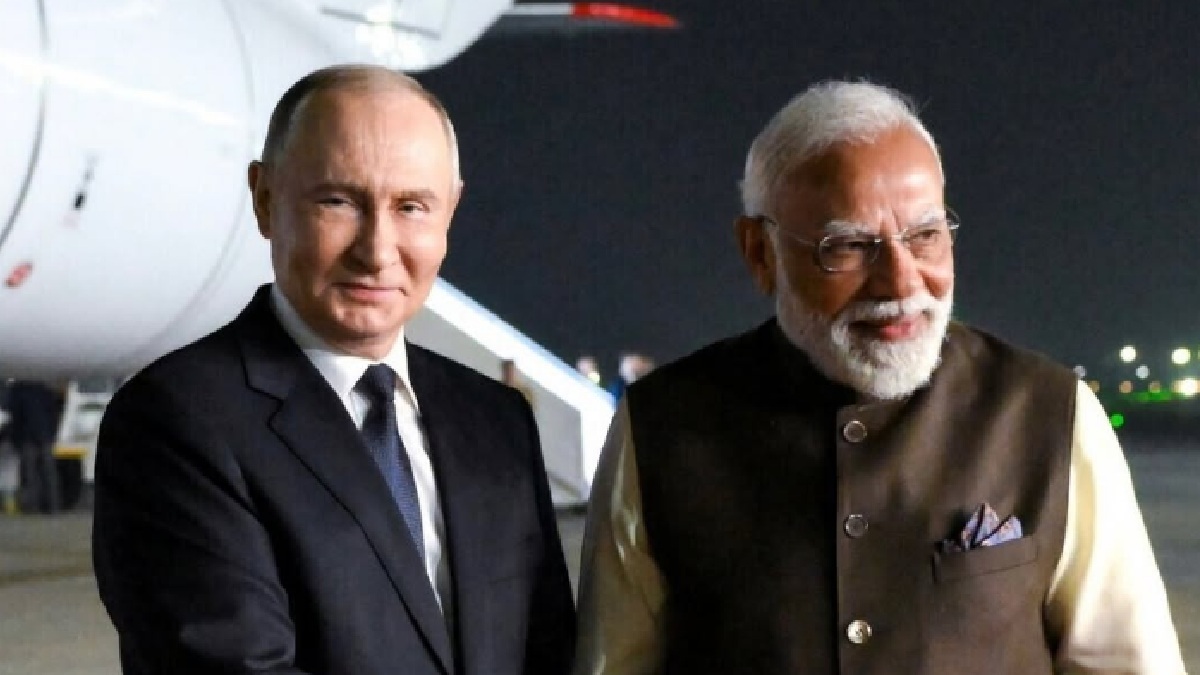
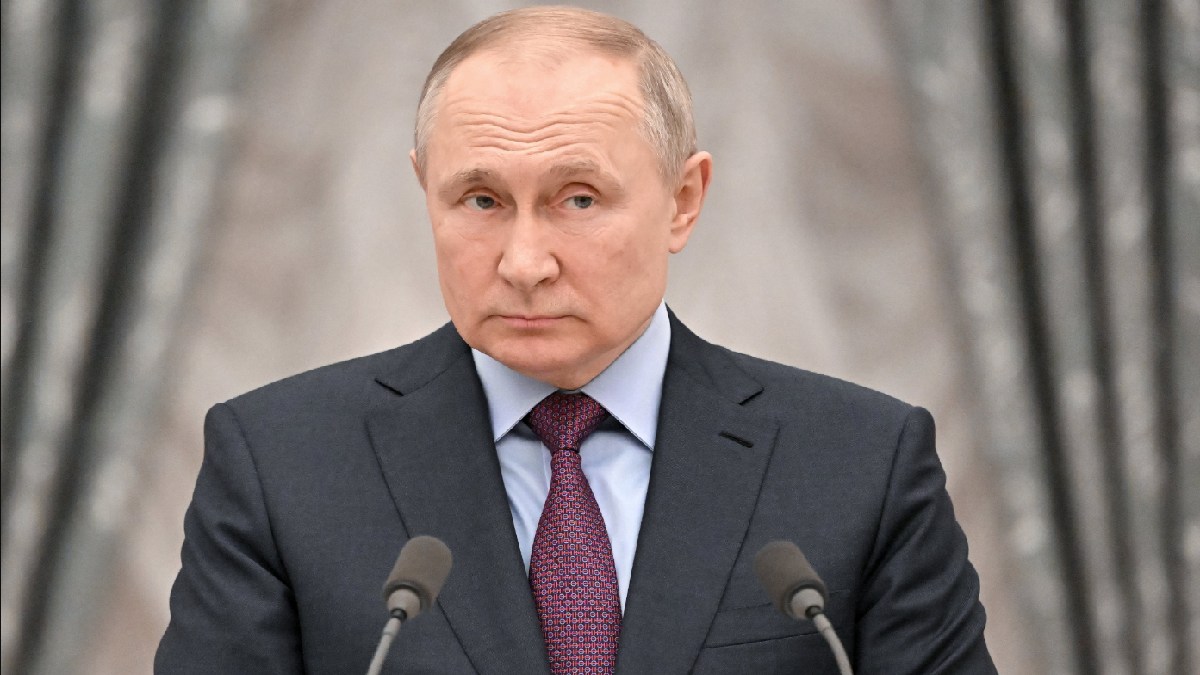
Russian President Vladimir Putin said that Russia had previously offered India an opportunity to jointly develop the Su-57 fifth generation stealth fighter aircraft, but New Delhi did not decide to accept it at the time. Russia then developed the aircraft independently and is ready for defence collaboration with India.
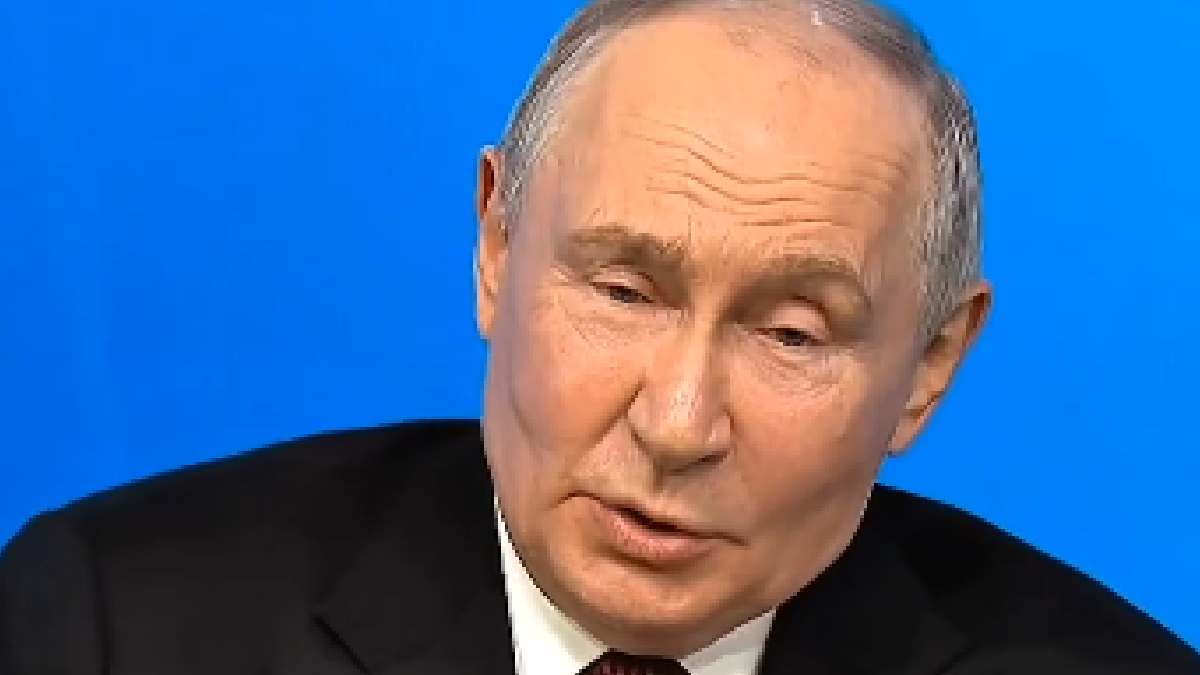
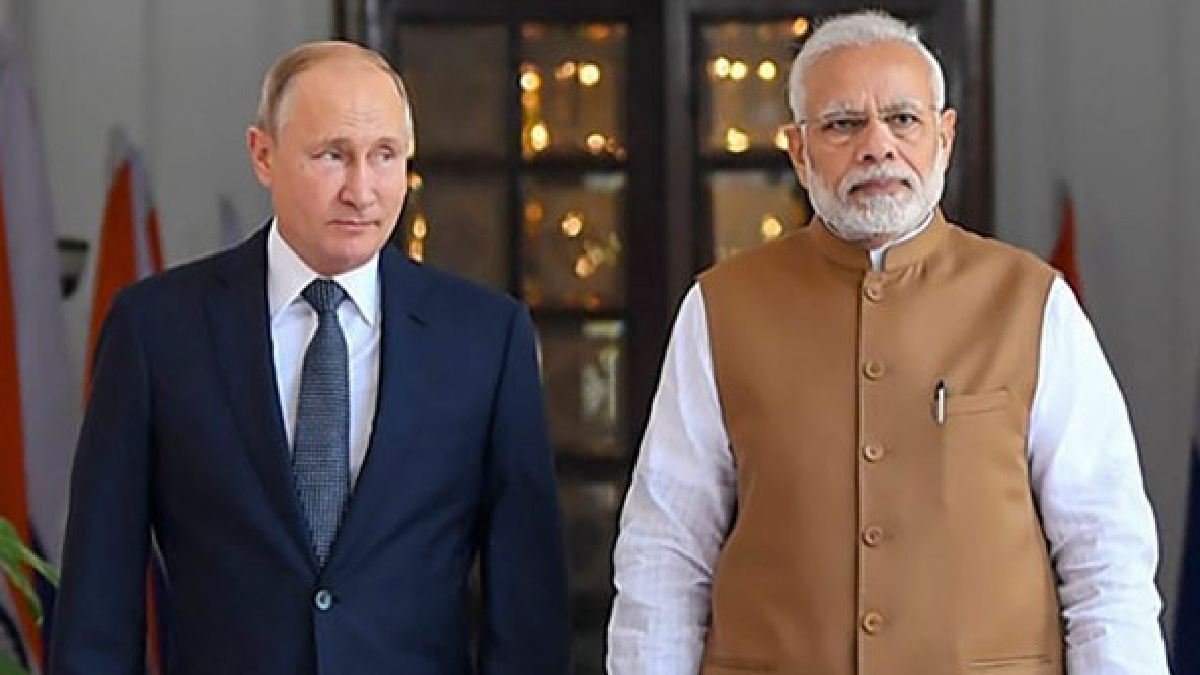
Putin’s remarks underscore Moscow’s continuing interest in cementing its strategic and military relationship with Delhi. Russia has no problem with India, he said, and is prepared to work together on advanced defence technologies like fighter aircraft and air defence systems.
Russia's Earlier Offer to India
In June 2026, Putin recalled discussions around the joint development of the Su-57, one of Russia’s best-developed combat aircraft. He said that Moscow had proposed working with India on the fifth-generation fighter programme, but India wanted to wait for a full assessment of the project before making a decision.
Putin said that the aircraft could have been a joint Russian-Indian project. But Russia eventually went through development independently.
Despite the earlier decision, Russian President Putin stressed that the door to cooperation remained open. Moscow is willing to provide the Su-57 to India and will also explore further cooperation with them to develop and produce it, he said.
India and Russia had been talking for years about a fifth-generation fighter aircraft programme. New Delhi withdrew from the earlier initiative in 2018, citing costs, technology access and the aircraft’s capabilities. India decided not to proceed with the project in 2021.
India's Fifth-Generation Fighter Challenge
The new Russian offer comes as India is strengthening its air force and developing its own advanced combat aircraft. The country’s Advanced Medium Combat Aircraft (AMCA) programme aims to develop a locally-made fifth-generation fighter, but operational execution is expected to take several years.
The acquisition of the Su-57 would give India another option to develop its air combat capabilities in the future. But any purchase or cooperation agreement would be dependent on cost, technology transfer, operational requirements, and the aircraft's suitability for the Indian Air Force.
India has also been pursuing a broader strategy of diversifying its defence suppliers while increasing domestic manufacturing. A Russian proposal would thus need to be assessed along with India's long-term goal to build its own advanced military platforms.
Russian President Putin says we offered our friend India to build Su-57 together, but our friend chose not to join, so we made it alone. Putin added that Russia has no problem with India and is ready to work together, which also applies to the S-500 air defense system. https://t.co/xuswt4DX7x
— India Observer (@IndiaObserver23) October 27, 2026
S-500 Air Defence Cooperation Also on the Table
Putin also said Russia will cooperate with India on air defence systems. His comments included the possibility of working together on advanced platforms such as the S-500, a Russian long-range air and missile defence system.
The statement indicates that Moscow wants to keep defence cooperation open beyond fighter aircraft. India already has Russian-origin S-400 systems and is still strengthening its air defence capabilities.
But Putin’s comments need not be interpreted as an indication that India has agreed to acquire the S-500 or jointly manufacture it. Any such arrangement would be subject to further discussions and official decisions.
What Happens Next?
Putin’s comments underline Russia’s willingness to offer India advanced military technology despite the earlier setback in the Su-57 programme. For New Delhi, the bigger question is whether cooperation would work for the country’s operational needs and further its defence manufacturing ambitions.
No final agreement on joint Su-57 development or S-500 cooperation was established by the remarks alone. Next steps will depend on the discussions between the two countries and India’s assessment of available options.
The episode is emblematic of India-Russia relations and shows that both countries continue to have interest in defence cooperation but India is free to evaluate the proposals based on its national interest.





Comments