
Robert E. Hall and Michael Woodford have won the 2026 Nobel Memorial Prize in Economic Sciences for the microeconomic basis of macroeconomic stabilisation. The Nobel Memorial Prize was awarded by the Royal Swedish Academy of Sciences in Stockholm on 12th October 2026.
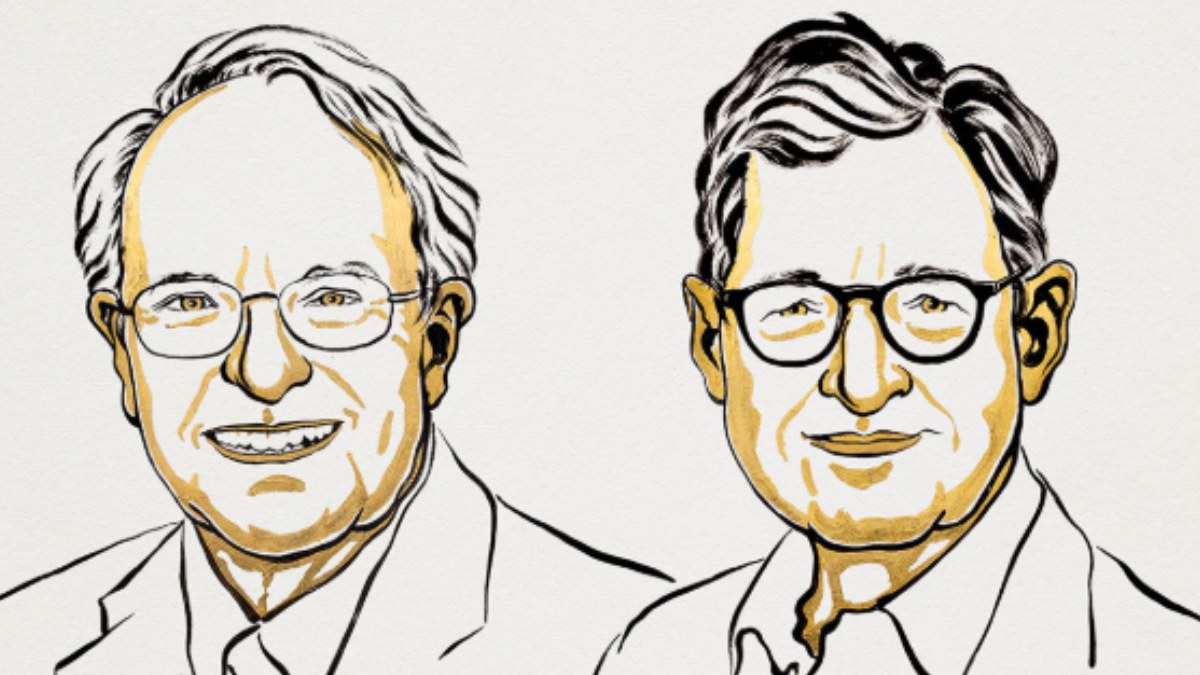
The award honours research that has contributed to a theoretical understanding of the mechanisms of economic functioning and to policymakers’ ability to respond to economic challenges including inflation, financial uncertainty and sudden changes in economic activity.
Who are Robert E. Hall and Michael Woodford?
Robert E. Hall is an American economist affiliated with Stanford University in California. His research has helped to shed light on consumption, employment, economic growth and the behaviour of households and businesses.
Michael Woodford is an economist with Columbia University in New York and an academic at the heart of monetary economics, central bank policy and the theoretical basis of modern macroeconomic analysis.
They have helped economists construct frameworks that link the decisions made by individual consumers and businesses to the economic climate.
Why is their research so important?
Macroeconomics examines the performance of the whole economy: inflation, unemployment, economic growth and interest rates. Microeconomics focuses on individual, household and business decision making.
A linkage of these two fields is crucial since economic outcomes depend on millions of individual decisions.
Hall and Woodford have helped shape the theoretical foundations that are now used to understand these relationships. Such frameworks can help policymakers understand how changes in interest rates, prices, and expectations affect spending, investment and employment.
Central banks use economic models when deciding what to do when inflation and financial conditions change. Government policy is also impacted by economic analysis towards growth and stability.
No economic model is able to predict each crisis, but stronger theoretical foundations can help policymakers understand the consequences of their decisions.
Significance for Central Banks and Governments.
The award is indicative that people and businesses need to understand how the economic policies are played out in society and the economy to be able to respond.
For instance, an increase in interest rates can make borrowing more expensive, which can reduce consumer spending and business investment. But the effect on the aggregate is also based on expectations, financial conditions and how households and companies adjust their behaviour.
Economic models that account for these decisions will inform us more in depth about how monetary policy affects the wider economy.
This research should be of particular relevance as the economy in the world is at its peak in oil prices, energy prices and global economic growth is uncertain.
BREAKING NEWS The Royal Swedish Academy of Sciences has decided to award the 2026 Sveriges Riksbank Prize in Economic Sciences in Memory of Alfred Nobel to Robert E. Hall and Michael Woodford “for microeconomic foundations of macroeconomic stabilisation.” #NobelPrize https://t.co/2i7ktB1Q2b
— The Nobel Prize (@NobelPrize) October 12, 2026
What exactly is the Nobel Prize in Economic Sciences?
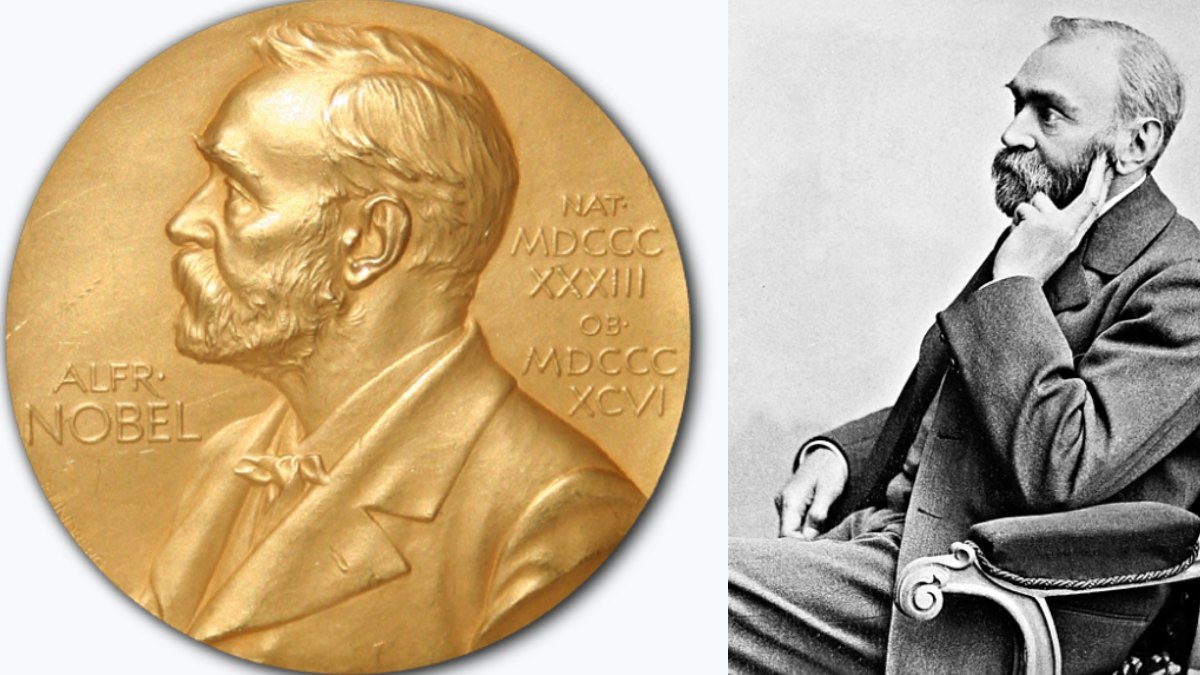
The award is formally known as the Sveriges Riksbank Prize in Economic Sciences in Memory of Alfred Nobel. It was introduced by the central bank of Sweden for the first time in 1968 and first awarded in 1969.
While called the Nobel Prize in Economics, it was established separately from the original prizes specified in Alfred Nobel's will. It is presented alongside the other Nobel awards.
The prize money for 2026 is 12 million Swedish kronor (about $1.2 million), the report said.
A recognition of economic research.
However, to note that Hall and Woodford were recognized so well shows that economic theory is still relevant in understanding modern economies.
More research is relevant to governments and central banks when inflation is changing, financial uncertainty and world disruptions are occurring.
Their award places the link between individual decisions and economic results at the heart of this year’s recognition of economic research.






Comments
Leave a Comment