
A new geopolitical conflict has erupted between the United States and Mexico after public remarks of US President Donald Trump on Mexican President Claudia Sheinbaum. The remarks have brought international attention to both the personal feelings between the two leaders and the geographical conflict surrounding the naming of the Gulf of Mexico.
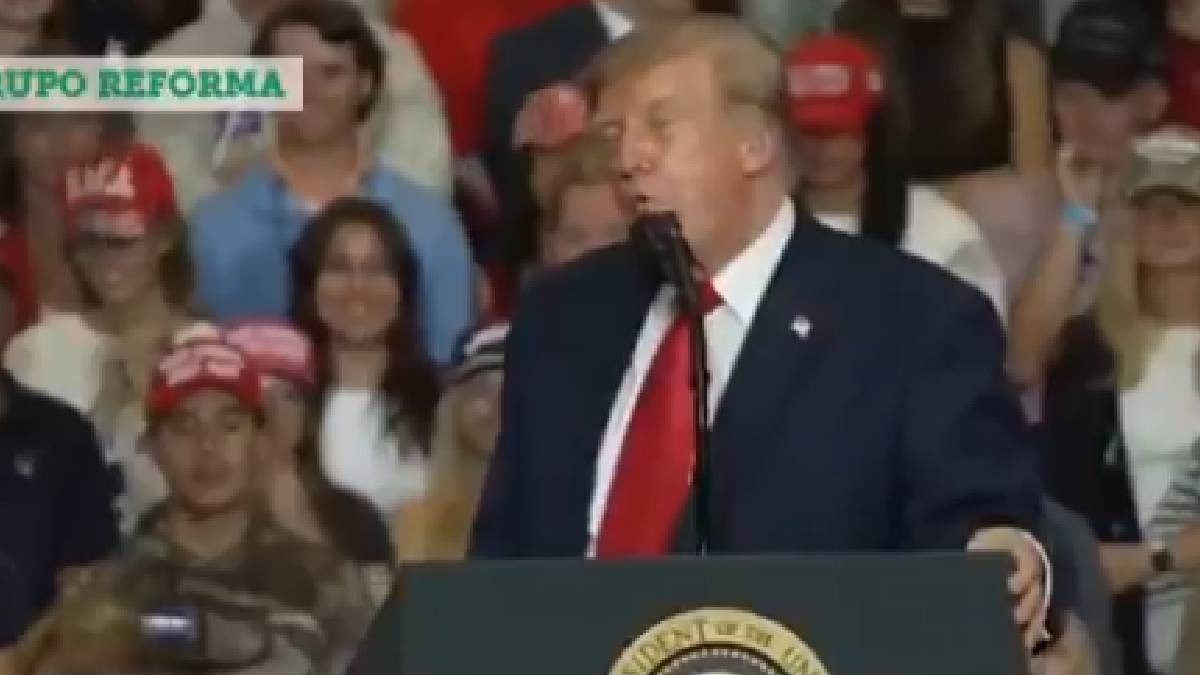
The Remarks in South Carolina
Donald Trump spoke in South Carolina on October 21 of Claudia Sheinbaum, who was elected as the first woman president of Mexico on October 1, 2024. Trump praised Sheinbaum for her tone and her appearance and said she was a good woman.
But his comments also had an open speculation about her career in a public way: Trump publicly questioned how she moved from ballet in her earlier years to eventually becoming the President of the nation.
The Phone call and voice impression
Besides the initial comments, Trump also said he had a telephone conversation between the two heads of state when he was talking about the exchange.
In a mock-public way, Trump mimicked Sheinbaum's voice and exaggerated her supposed plea to him during the call. And that is why Donald Trump says the Mexican president contacted him for a direct order that he not change the name of the Gulf of Mexico.
Trump even mimicked her voice to convey the desperation in his stance about the Gulf of Mexico name. This dialogue is Donald Trump’s own account of the conversation.
This conversation has not been independently verified by third party witnesses and it’s not necessarily true that President Sheinbaum herself made such statements.
The Gulf Name Controversy
Public hostility is evidence of the administrative imbalance between the two neighboring countries. In 2025,
President Trump ordered the United States government to officially use the name Gulf of America for the body of water.
The change represented a departure from centuries of global cartography. President Sheinbaum and her administration have refused the change, and it is still the Gulf of Mexico.
In all official state communications, international treaties and maps of Mexico, the name continues to be used.
The United States and Mexico have been very much the subject of personal commentary, public mimicry and independent policies since then.
While trade agreements, border management and shared security issues are still very much in common between the two countries, Trump presents something new in how they talk about it, as the public characterizations have become the focal point of their talks.
Sheinbaum has been so focused on institutional continuity and national sovereignty since her historic inauguration but in her speech the rhetoric has not wavered from the diplomatic style of Washington.
How the two countries’ styles of leadership will impact long-term bilateral agreements is an issue that political analysts of North America follow closely.





Comments