
Trump has relaxed some of the most important tariffs and sanctions on Russia, and it will help to some extent countries like India that are still buying Russian oil.
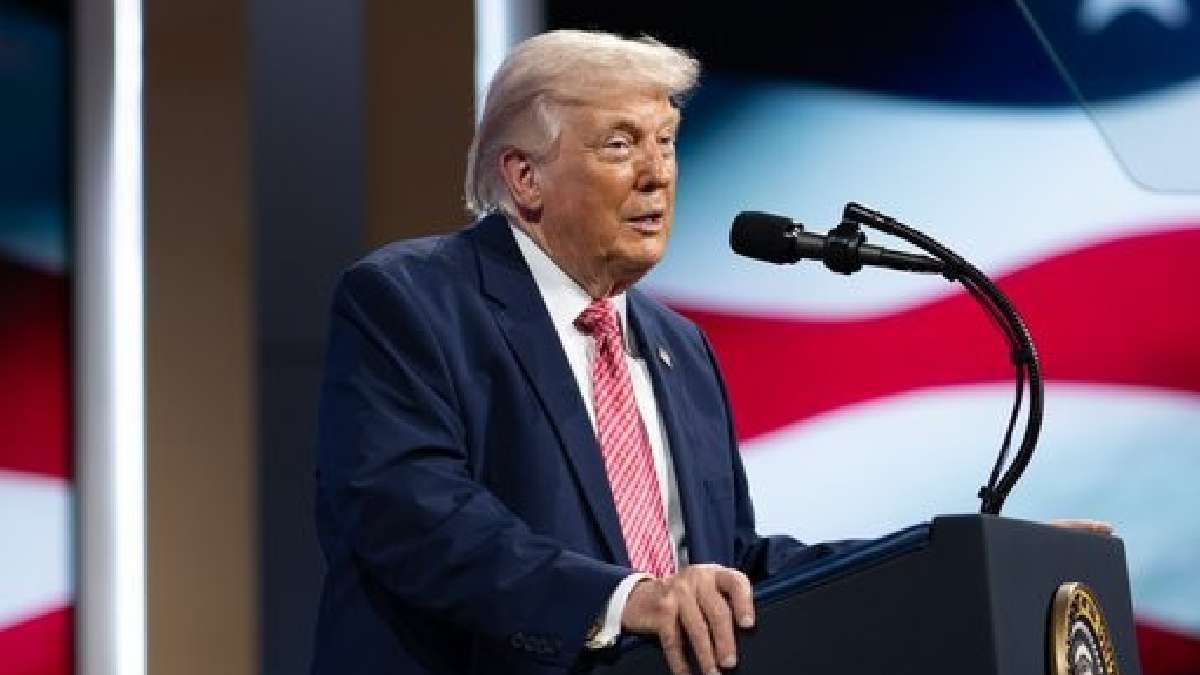
That decision comes on October 16, 2026, and stops steps that could have led to heavy tariffs on oil and gas goods from the biggest buyers of Russian energy, and will alleviate immediate concerns of India’s oil imports and exports.
The move comes after Washington passed the Lindsey O. Graham Sanctioning Russia and Iran Act of 2026 in September. That was intended to escalate economic pressure on Moscow for its war in Ukraine.
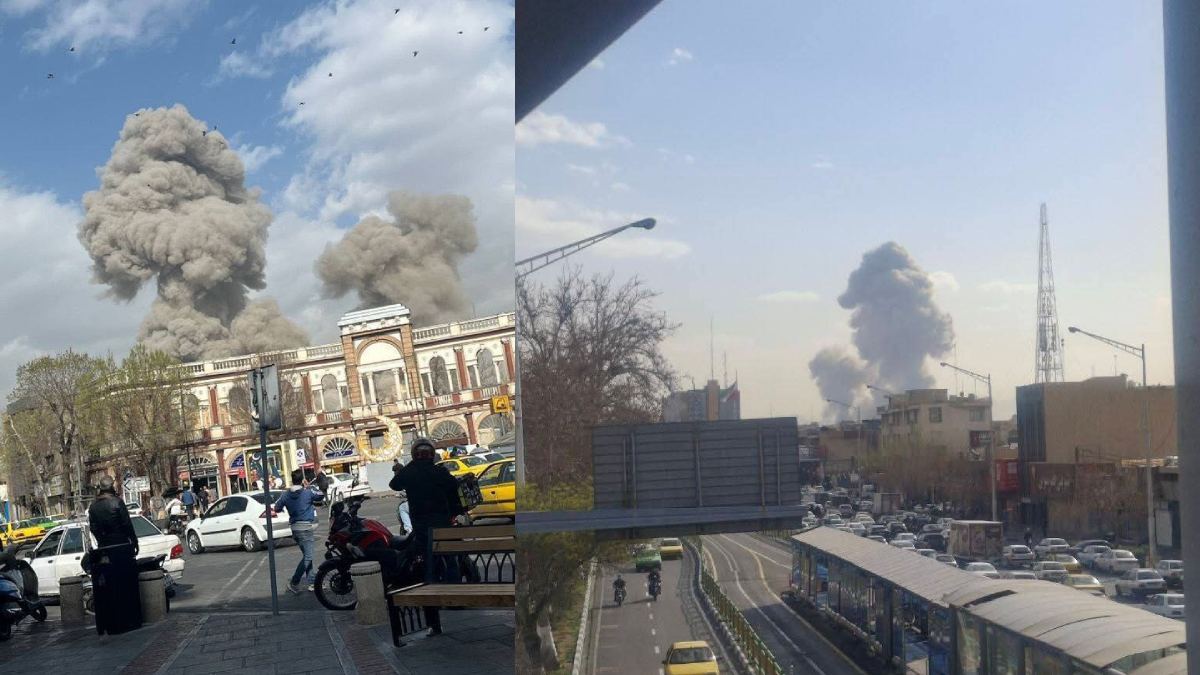
It also imposed a 100% tariff on goods from major importers of Russian crude oil and natural gas under certain circumstances.
Why Trump Changed His Approach
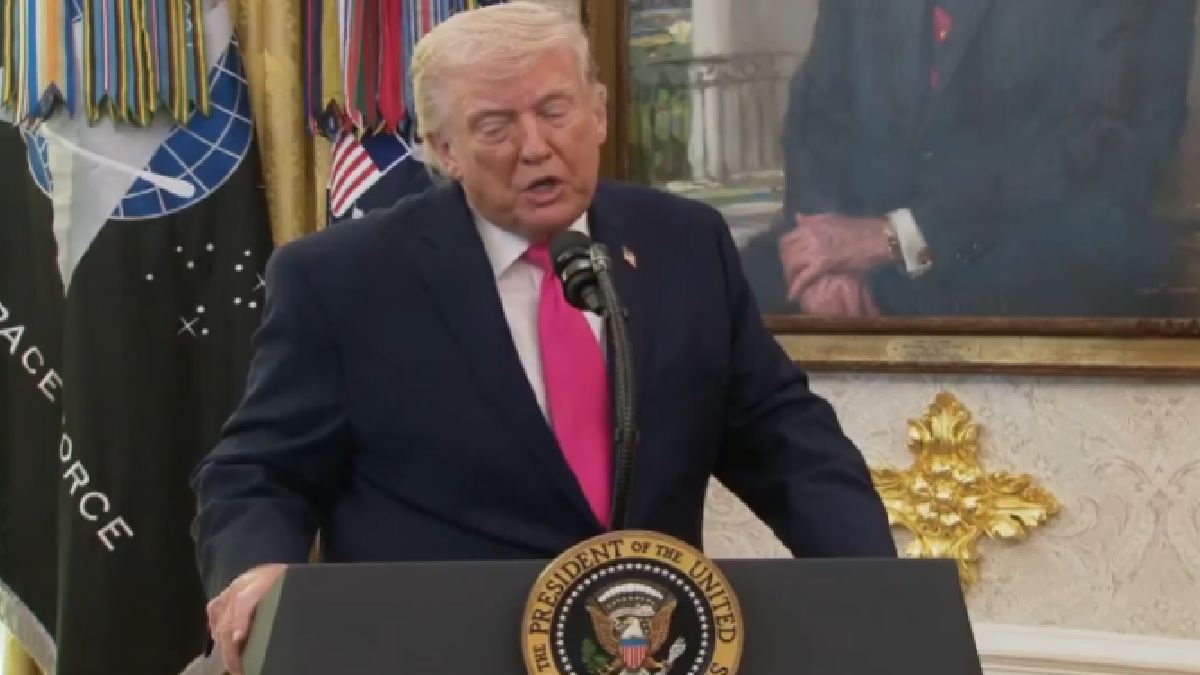
Trump said the waiver was in the national interest of the United States, in an executive order. The decision comes at a time when energy prices remain a concern and the administration has to manage those costs for it, and the administration has to keep them from growing so high in fuel prices and is being pressed to reduce them.
The waiver suspends several provisions of the new law, including tariffs on countries purchasing Russian energy. But it doesn’t erase every existing US restriction on Russia. If things changed, the administration has a right to reexamine the exemptions.
But this has also been criticized in the United States, where critics say easing up on pressure on Moscow could weaken efforts to hold Russia to account for its invasion of Ukraine.
What It Means for India's Oil Imports
India is one of the world’s largest oil importers and has significantly increased its purchases of discounted Russian crude since the Ukraine war began in 2022. These supplies have helped Indian refiners manage costs while maintaining access to energy for a rapidly growing economy.
The threat of more US tariffs had made it a hard choice for New Delhi. Reducing Russian oil purchases could increase procurement costs, while continuing them risked exposing Indian exports to punitive duties in the American market.
Trump’s decision reduces that immediate risk. Indian refiners can now look at Russian crude purchases with less concern about the new law’s proposed penalties taking effect straight away. And supply flexibility is likely to be a good thing at a time when geopolitical tensions are roiling world energy markets.
But the waiver does not guarantee lower petrol or diesel prices in India. Retail fuel costs depend on global crude prices, currency movements, refining expenses, taxes and domestic pricing decisions.Impact on India's Exports and Trade
The United States is still a major destination for Indian goods so the tariff uncertainty is a huge concern for exporters. The additional duties of up to 100% could have made Indian goods more expensive to American buyers and weakened their competitiveness against goods from other countries.
In suspending the above measures, Washington has removed the immediate threat of another tariff escalation of the Russian oil purchases of India. That could provide some breathing room for Indian companies and policymakers to try and navigate trade talks with the United States.
But exporters should not be assuming that all US tariffs on Indian goods have been removed. The new order concerns provisions under the Russia and Iran sanctions law, not a blanket cancellation of other trade measures.
What Happens Next
India is likely to keep on balancing affordable energy supplies with its trade and diplomatic relationship with Washington. The government has repeatedly stressed energy security and the need to source supplies according to market conditions.
But Trump’s move, at least for now, is short-term relief, if not permanent resolution. The waiver will be in place until the president or other administration officials determine that more action is needed.
The next steps from Washington, movements in global oil prices and developments in India-US trade discussions will determine how much lasting benefit the decision delivers to Indian consumers, refiners and exporters.


Comments
Leave a Comment