
The United States is bolstering its military infrastructure at home as fears of a major international war grow about the danger of a war at home. The Pentagon’s new FORTRESS America program is now being put together to ensure that if war and cyberattacks and disruptions to critical supply chains affect essential services to the military bases, if war strikes and disruption of major supply chains affect everything from transportation to the supply chain.
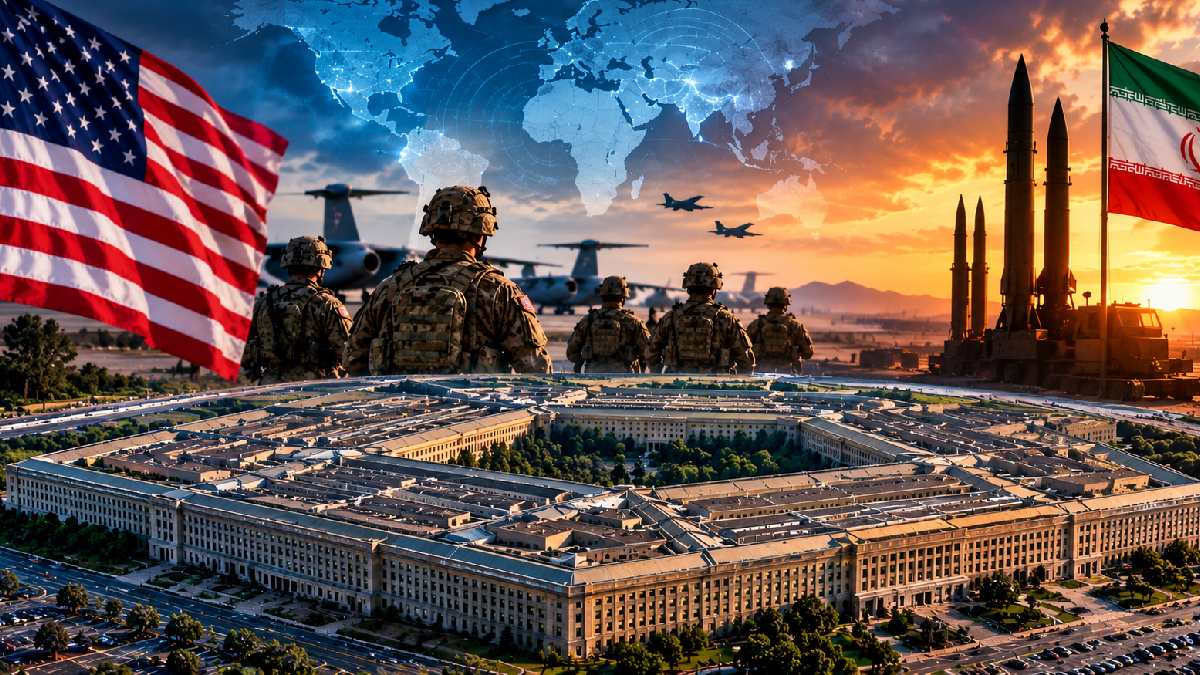
The plan has attracted attention with continuing tensions between Iran and the wider Middle East. But the initiative does not, in itself, prove that Washington is preparing to launch a wider war against Tehran.
What Is the FORTRESS America Plan
FORTRESS stands for Federal Operations for Resilience, Troop Resources, Energy, Supply and Survivability. US Defence Secretary Pete Hegseth announced the initiative on September 30, 2026, as part of a larger effort to strengthen military readiness as well as to ensure the American defence infrastructure.
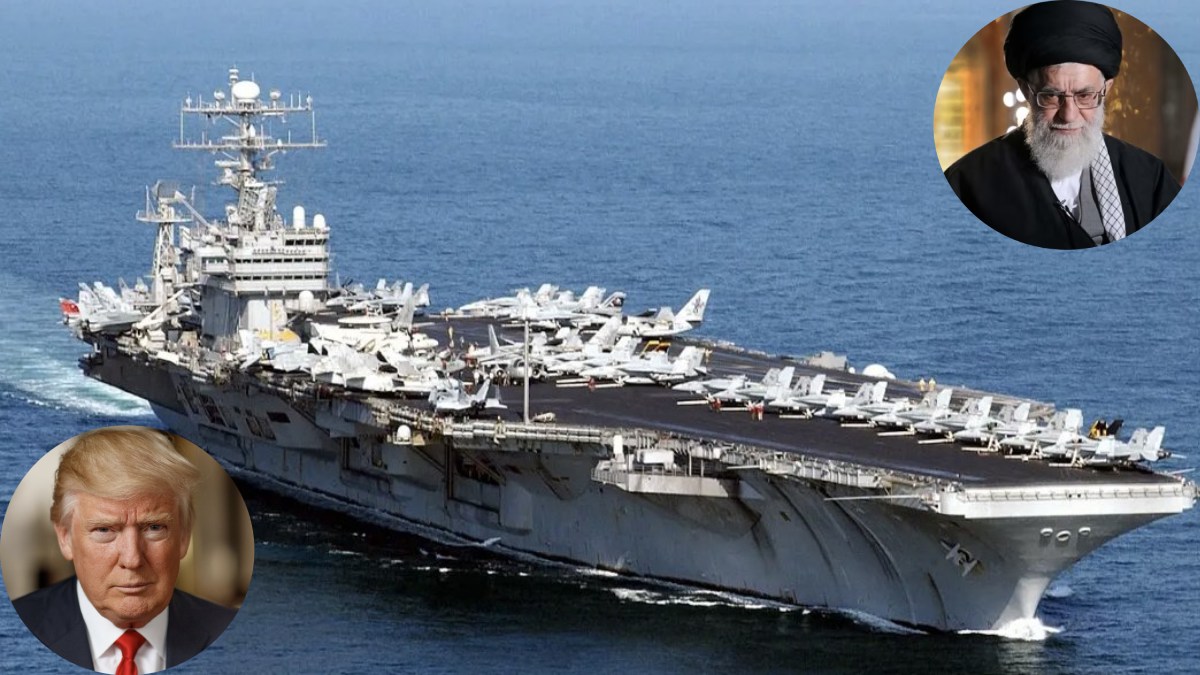

The programme seeks to eliminate the military’s reliance on civilian electricity networks, to secure critical supply chains and to secure installations from cyberattacks, sabotage and other potential threats. The Pentagon has also started putting in place a programme office to guide its implementation.
According to reporting in October, the initiative would involve planning for major military bases in the continental United States to maintain essential operations independently for extended periods, with a goal of up to 90 days without outside support.
Why Is the Pentagon Focusing on Military Readiness
More modern warfare is about more than conventional battlefield operations. Cyberattacks, damage to energy infrastructure, communications breakdowns and lack of necessary equipment can undermine a country’s ability to sustain military activity.

Under FORTRESS America, the Pentagon is looking at ways to foster energy independence through microgrids, battery storage and even portable nuclear reactors. If civilian power networks become unavailable, these technologies could help military installations maintain electricity.
The initiative also highlights strategic reserves of fuel, ammunition, medical supplies, spare parts and other essential materials. Further, strengthening domestic production and addressing the vulnerabilities in supply chain operations will be the next important priority.
That is because such preparations are indicative of the fear that a future conflict will affect infrastructure deep inside the United States, not just overseas battlefields.
Does the Plan Signal a Wider War With Iran
The timing has raised questions about whether Washington is preparing for a wider confrontation with Iran. Regional conflicts can threaten energy supplies, shipping routes, military installations and international supply chains, and governments need to be more prepared.
But FORTRESS America is for a wider array of threats. Its stated objectives include protecting against cyber intrusions, sabotage, disruptions to power systems and weaknesses in the defence industrial base.
This initiative is not an Iran war plan, after all. It is a broader military resilience program for the United States to cope with a variety of crises - including a large international war.
Such a distinction is important because preparations for a possible emergency do not necessarily mean that a government has decided to initiate a new war.
What Could the Plan Mean for America's Defence Strategy
FORTRESS America suggests that the Pentagon wants to make the country’s military infrastructure more resilient and less vulnerable to disruptions. Independent energy systems, stronger installations and deeper reserves could help American forces survive in the middle of a long emergency.
We also see that civilian infrastructure that is essential to national defense is becoming a much smaller part of the picture. Electricity, communications, transportation and manufacturing are all essential to maintaining military readiness.
But the implementation of the plan will need funding, technical planning and coordination on a large number of military installations and suppliers. The full cost, timeline and practicality of the plan remain questions.
For now, FORTRESS America is placing more emphasis on homeland defence and long-term military preparedness. Although Iran issues are part of the wider security environment, the information available does not show that the Pentagon's effort is a sign of the Iran conflict’s imminent expansion.







Comments