
More than 200 people on a residential cruise ship have been stranded in Cambodia when the company that runs their vessel has pulled out of business after the ship’s company suspended operations and said it is shut down because of high fuel prices and mounting financial pressure from high fuel costs and overburdening financial strain.
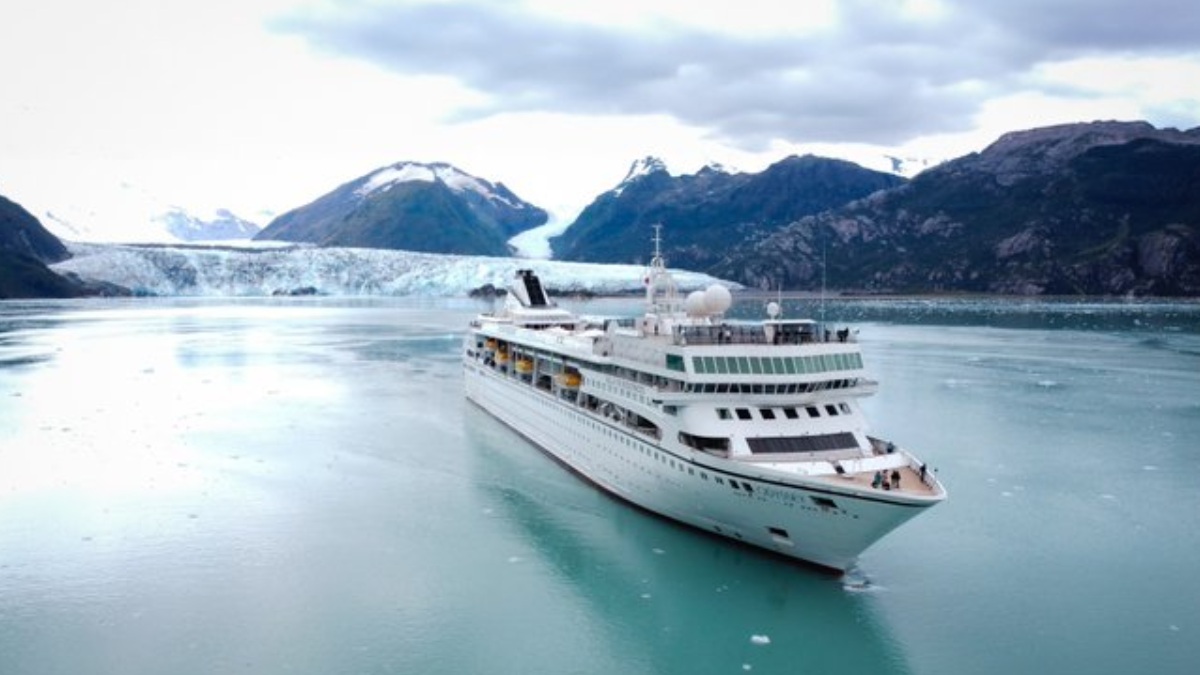
The Odyssey, a ship operated by US-based Villa Vie Residences, was to be one of the ships that promised a unique lifestyle for its passengers: travelling around the world and living in a floating home while on board a floating home.
Passengers were given only seven hours to pack up and leave the ship when they arrived at Sihanoukville, Cambodia, where the ship had to be docked to leave, and to go home, according to witnesses saying they were told to pack up and leave.
The ship arrived at Sihanoukville on October 23, 2026, after travelling from Thailand. It was scheduled to continue to Vietnam after the port stop, but the operator announced on October 27 that it had suspended operations in Cambodia.
The Bahamas-flagged ship had 203 guests and 156 crew members when it arrived in the port city of Cambodia, the official said. The abrupt departure process left passengers scrambling to find accommodation, transportation and travel thousands of kilometres from home.
Some made flights and others remained in the Cambodian city to find out what to do next.
If there is a reason why they stopped operations, Villa Vie Residences has said that it had faced an extraordinary increase in fuel expenses following the war with Iran.
In some parts of Asia, the average monthly fuel cost per cabin had climbed to an estimated US$6,000–US$8,000 from US$1,800, and it’s becoming a bigger issue for a company that has long-term residential trips as a driver.
The fleet had tried to reduce fuel costs by curtailing the itinerary and spending more time at ports, but these were not enough, and the company had failed to cover the costs. It also said that passing the entire increase on to residents was not a realistic solution.
The company described its financial situation as unsustainable and said it was working towards restructuring and recapitalisation over the next 60 days.
The disruption that residents, crew members and employees were experiencing was acknowledged, and the company said it was trying to coordinate disembarkation and identify temporary living arrangements. The future of the ship is not clear, and the operator is not certain of a successful financial restructuring, it said.
When the Odyssey sailed from Belfast, Northern Ireland, in October 2024 for a sustained voyage marketed as a time to travel and live in the world, it was a cruise ship for you.
Villa Vie Residences were very different from a cruise typically done for a few days or weeks: It was a place where people could buy or rent a hotel or apartment for a longer stay, in the hopes that the ship would last. Some passengers sold things or made big lifestyle adjustments to pay for living on board.
The ship was built to accommodate 650 people with cabins and some of the other features for long-term living. But passenger and blogger Randy Cassingham said the ship never reached that number and was at around 350.
He described the latest disembarkation order as a culmination of a series of problems, including a four-month delay to the ship’s launch from Belfast. His account has drawn attention to the dangers of relying on a single operator’s accommodation, transport and a whole lifestyle.
Passengers face uncertainty as the company looks forward. The situation has raised questions about what happens when a long-term travel arrangement suddenly collapses.
For passengers who had made the ship their permanent home, leaving it was more than an interrupted holiday: it was about finding places to live, getting on a plane and paying foreign currency in a foreign country, and how to cope with unexpected expenses in a foreign country. Some travellers will also have work commitments, medical needs and personal belongings to deal with if they stay aboard.
The immediate job is to find secure temporary accommodation and understand what will happen to their travel plans when they go to a foreign country and then find out where they will be in the future.
Passenger Randy Cassingham criticized the company’s response, while Villa Vie said it was working to support those affected. The vessel is expected to refuel and leave Cambodia on October 31, but the overall voyage is unclear.
The incident is a reminder that even the most ambitious travel idea is vulnerable to fuel-price shocks, cash-flow issues and unexpected operating costs.
Residential cruises are a good package of accommodation and global travel, but customers in that scenario will have to consider refund protection, financial protection, contingency plans and the terms under which they live. For passengers in Cambodia, the immediate need is practical help and clarity about what is next. Or can Villa Vie get the funding to carry out the trip again?





Comments