Apple has recently laid off more than 60 employees working on its Vision-related projects, as the tech giant appears to be shifting its focus to artificial intelligence-powered smart glasses. The job cuts come as Apple is increasingly turning its attention to spatial computing and the future of Vision Pro.
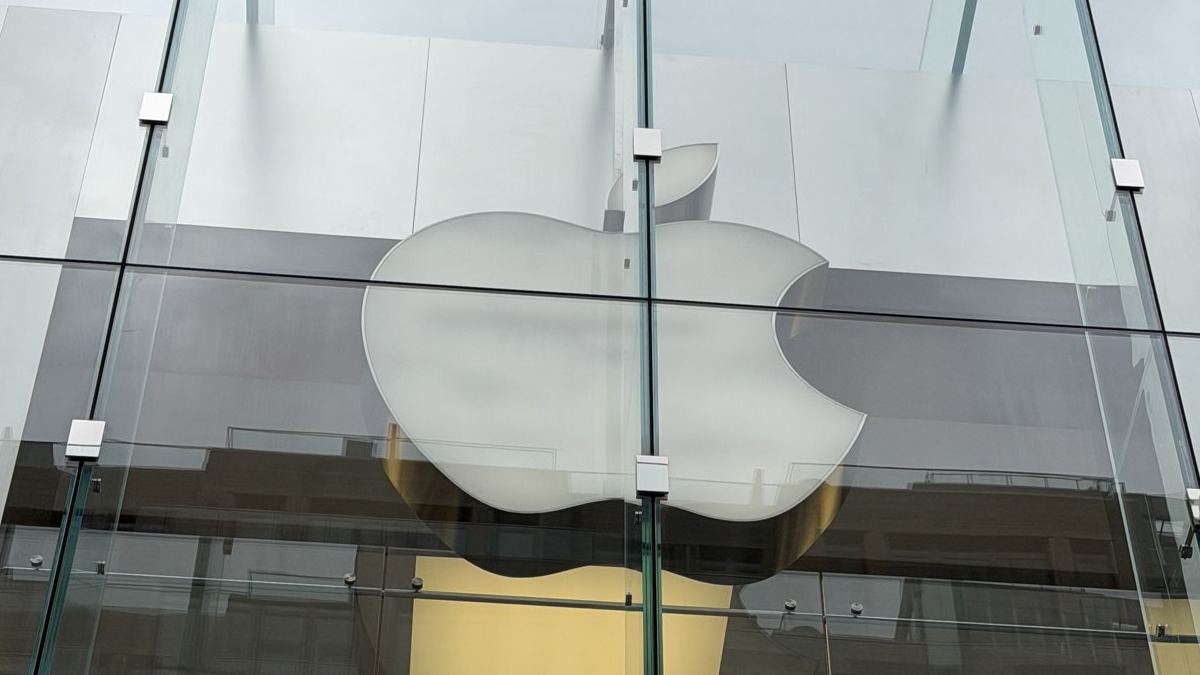
According to reports, the layoffs impacted Apple's virtual reality and Vision teams. AppleInsider reported that at least 60 employees in Apple's VR development community, Apple Vision Group and related positions were laid off, but the report said this was not the end of Apple's Vision business as a whole.
Such a development is important because the Vision Pro was Apple's big push into spatial computing. The headset was marketed as a new computing platform that should be integrated into a bigger ecosystem of augmented and virtual reality products. But the high-end headset has been challenged to get a mainstream consumer audience, while the lighter smart glasses market has attracted huge attention.
Apple’s apparent shift is to match this changing market. Instead of focusing all its resources on advanced mixed-reality headsets, the company is more likely to be investing in smart glasses that can integrate artificial intelligence into everyday life. In previous reports, Apple is accelerating its AI-powered glasses work, with the devices to be heavily reliant on Siri for visual context, and it is likely that there will be more work on AI-based glasses in the future.
The shift could allow Apple to adopt an entirely new wearable strategy. Unlike the Vision Pro, which is a very large and expensive headset, smart glasses could be designed to be like conventional eyewear and worn for longer periods. AI capabilities could allow such glasses to offer information, interact with digital assistants, recognise objects and environments, and work without users constantly looking at a smartphone.
Apple's move also occurs as competitors have shown consumer interest in AI-enabled glasses. The increasing popularity of smart glasses has made the category one of the most closely watched areas in consumer technology. The industry is increasingly convinced that glasses could be a more practical way to integrate AI assistants in people’s lives than bulky mixed-reality headsets.
The layoffs at least do not mean that Apple has cancelled the Vision Pro or spatial computing altogether. Reports say that Vision has been reduced and reorganised, with Apple still working on its visionOS platform and future Vision products. In fact, AppleInsider pointed out that the reported cuts should not be viewed as a sign that the whole Vision product line is being cancelled.
But the restructuring seems to point to Apple’s shifting priorities in the future. The company needs to decide where its engineering resources can have the biggest long-term impact and the most impact in the future, especially as artificial intelligence is central to the future of the technology industry’s next generation of products. Apple’s AI strategy has become a big strategic priority, and that is to enhance Siri and integrate more intelligent features across its ecosystem.
The layoffs also underscore the challenges in developing state-of-the-art spatial computing hardware. Building a lightweight (and inexpensive) headset with high-end displays, sensors and processors is still technically challenging. The Vision Pro exhibited Apple’s capabilities in the areas of eye tracking, spatial audio and immersive computing, but its size and price limited its appeal compared to consumer electronics.
Smart glasses could give Apple a pathway to the same larger vision of spatial and contextual computing. Rather than replacing smartphones at first, AI glasses could be used to complement things like the iPhone and Apple Watch. Users can use the glasses as a way to access Siri, cameras, notifications, and AI-powered services.
But for Apple employees working in the Vision organisation, the restructuring is a new thing. More than 60 job cuts show that the company is willing to cut teams as it puts resources into more strategic areas. And those who are affected may also possess expertise that could be useful elsewhere within Apple’s hardware, software and artificial intelligence operations.
What will happen in the long run of the decision? Apple has not announced publicly that the Vision Pro is no more, and layoffs should not be read as a sign that Apple has abandoned virtual or mixed reality. So far, there are reports that Apple is still trying to build out its spatial computing capabilities while focusing on lighter AI-powered wearable devices.
If Apple can bring stylish, lightweight AI glasses to consumers, the current restructuring could eventually be viewed as a strategic transition rather than a retreat. The company has always worked hard to figure out new categories and then try to restructure them based on its hardware, software and services ecosystem. For now, the Vision layoffs indicate that Apple’s next big wearable bet may be less about putting a computer on the user’s face and more about placing an intelligent AI assistant in front of their eyes.