Jaguar Land Rover (JLR) has revealed it will cut 4,000 jobs over the next two years in response to weak market conditions, US tariffs, intense global competition and the financial impact of a major cyber-attack.
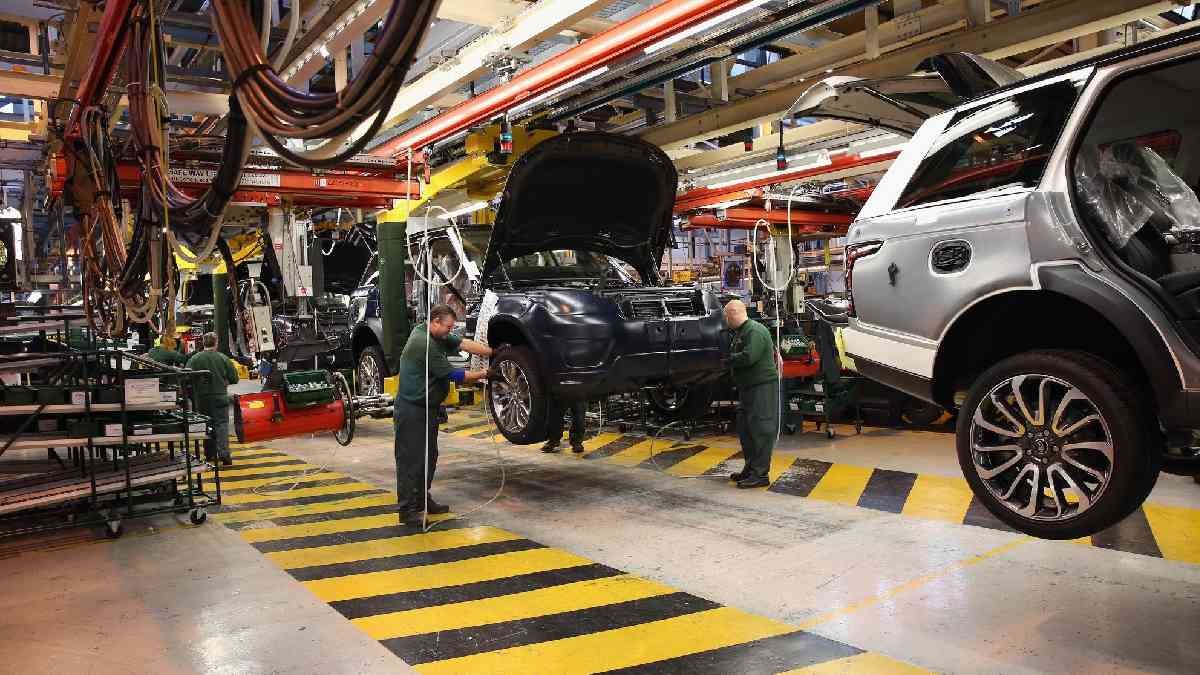
The company, owned by India’s Tata Group, said the workforce reduction was part of a larger plan to simplify its operation and result in savings of around £1.7bn. The planned cuts are about 12% of JLR’s 34,000-strong workforce in the UK.
JLR Targets Organisational Complexity
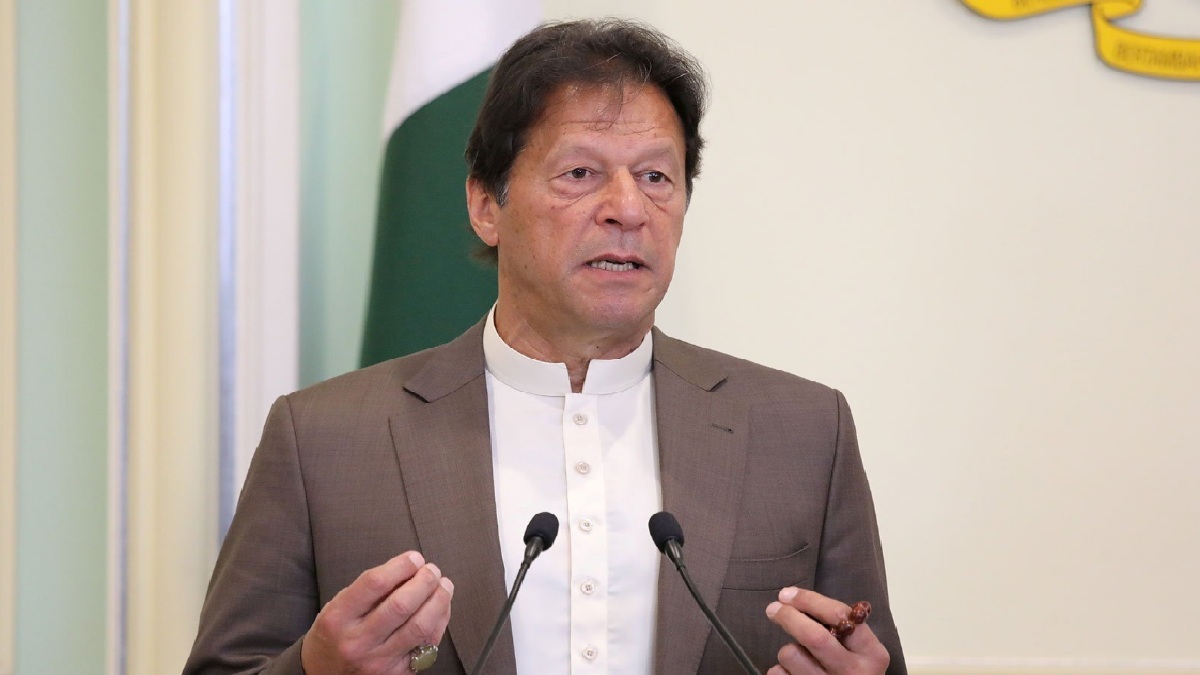
JLR Chief Executive PB Balaji said: “The automotive industry is facing great challenges and challenges from rapid technological change, geopolitical uncertainty and increasing competition in the industry.
Under its “Growth Reimagined” strategy, the company will cut the global workforce by about 4,000 roles over two years. The aim is to make JLR’s organisation much more efficient and will help to enhance the organisation in order to compete in a more competitive automotive market.
Balaji believes that the restructuring will help JLR reduce organisational complexity and lower the sales volume required for the company to break even. The changes may help JLR get to break even on an annual basis of 300,000 vehicles sold, he said.
The job cuts are expected to affect senior management and research and development positions more heavily than factory-floor production jobs, as reported by the newspaper.
Trump Tariffs Add Pressure
JLR has also been hit by US trade tariffs. American tariffs on British-made vehicles initially reached 27.5%, putting additional pressure on manufacturers selling premium vehicles in the United States.
The rate was then reduced to 10% as part of a UK-US trade agreement at JLR’s Solihull plant. But tariffs continue to be a challenge for the company as it targets the US, which is a key market for brands like Range Rover and Defender.
The tariff uncertainty is at a very difficult time for the world automotive industry, with changing consumer demand for the world's car manufacturers, higher operating costs and growing competition.
Cyber-Attack Adds to Financial Strain
JLR is also recovering from the consequences of a major cyber-attack that disrupted its operations and forced the shutdown of factories.
The whole incident wound up costing the company around £200 million and caused a sharp drop in pre-tax profit. JLR's pre-tax profit dropped to almost £14 million, down from £2.5 billion a year earlier.
The disruption underscored the importance of cybersecurity at the corporate level to major automotive manufacturers that are more dependent on connected digital systems in their factories and supply chains.
The UK government previously agreed to underwrite a £1.5 billion loan facility to help JLR recover from the cyber-attack. But the company has not used the facility.
Government Rejects Bailout Approach
The announcement comes at a politically sensitive time for the UK government, which has pledged to support domestic manufacturing and strengthen the country's industrial base.
Business Secretary Jonathan Reynolds has ruled out using taxpayers’ money to prevent JLR from carrying out the planned redundancies. He is expected to meet JLR CEO PB Balaji and Unite general secretary Sharon Graham to discuss the company's plans.
Unite will push employees to find retraining opportunities and redeployment opportunities in their area instead of going on compulsory redundancies.
But, as the government has said, while a direct bailout is not being considered, other kinds of support for the automotive industry could still be there.
Chinese Automakers Increase Competition
JLR's restructuring also comes as Chinese automotive companies expand rapidly across the UK and European markets.
The presence of BYD and Chery manufacturers in Europe has led to increased competition for established carmakers. In electric vehicles and other rapidly developing areas of the automotive sector, Chinese companies are becoming more and more influential.
JLR has to find a way between investing in new technologies and controlling costs to improve profitability.
But it isn’t the only company to announce major reductions in workers. Volkswagen also announced tens of thousands of more job cuts as part of a major turnaround programme last year.
JLR employees would be affected very badly by it, so there is a lot of uncertainty for them now. It is a decision that the company acknowledges, and that will be made to address the concerns of the employees who are affected, in a humane and respectful way.
The next two years will be critical for JLR as it is going to have to streamline its activities, recover from recent financial and operational setbacks, cope with the pressures of global trade and reposition itself for a rapidly changing automotive industry.