An innocuous dispute over a passenger window seat on a bus has become a very public social media debate after a woman filmed a fellow passenger who refused to share a seat with her and posted it online. The incident has led to the discussion of passenger rights, travel etiquette, public shaming and the way people record regular disputes for social media.
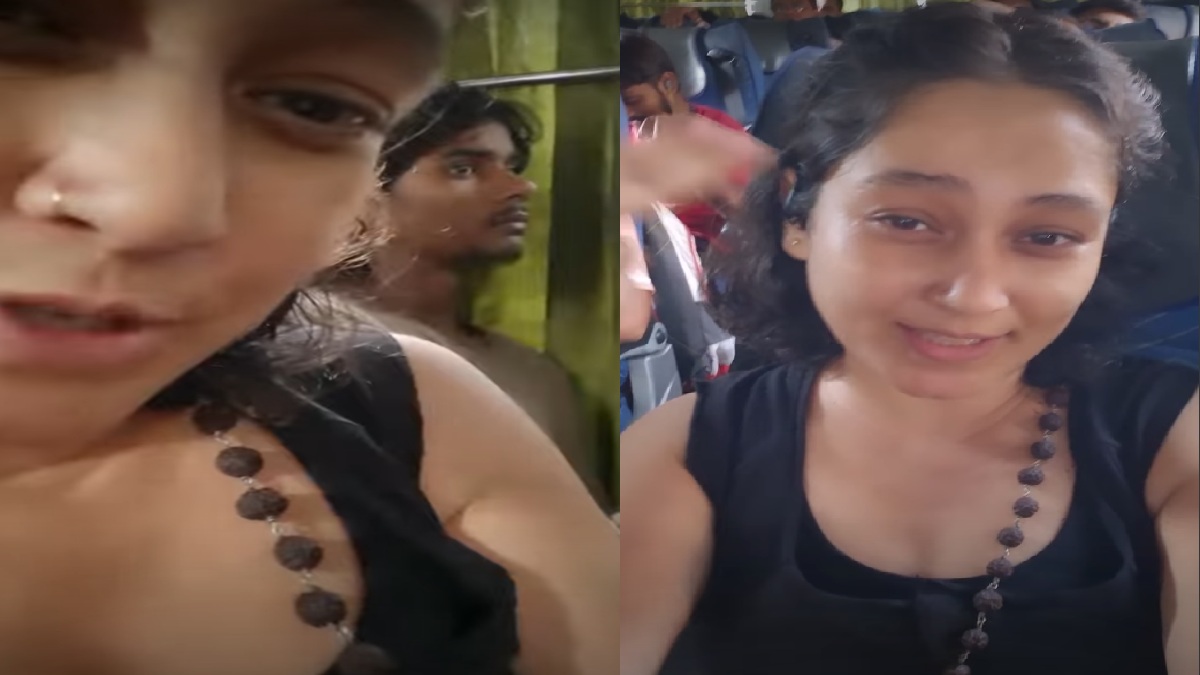
In Maya d moon posted a video on Instagram where she witnessed a male passenger’s interaction while on a bus ride to Darbhanga, Bihar. The video has attracted more than 6.13 lakh views in a few days and drew strong reactions from Internet users.
According to the woman, she asked that the male passenger next to her give up his window seat so that she could sit there instead. The passenger refused her request and remained in his assigned or occupied seat. The woman said her encounter was captured on video and later posted publicly.
A woman in the viral video can be seen questioning the passenger’s choice and arguing that women should be given preference for window seats, especially when travelling in crowded buses full of male passengers. She noted that passengers and vendors often walked past her in the aisle and made the train feel uncomfortable.
The woman argued that offering the window seat would have been a form of “common sense” and “civic sense” and would have made travel more comfortable for her on the journey.
But the video quickly attracted criticism rather than sympathy. A lot of social media users were also asking why the passenger should have been expected to drop a seat that he already had one (or maybe had already booked it). And while it would be fine if the passenger wants a seat exchange is acceptable, the other passenger has an equal right to decline without being criticized.
But that woman did record the man and post the footage on the internet. Some users accused her of publicly shaming a stranger simply because he did not agree to meet her demand. They argued that not accepting a seat exchange was not inappropriate behavior so it was not a good thing to do and was filmed and posted on social media.
The incident also opened a wider discussion about privacy in public space. Many social media users expressed concern about the growing practice of recording strangers during disagreements and uploading their images online without consent. For some, the issue was no longer window seat but whether social media should be used to pressure or embarrass individuals during personal disputes.
The other part of the controversy was comments that the woman made on her travels to Bihar. She said her remarks were criticism of the state and people. As criticism went on, she posted a video clarifying her position.
The first woman added, “I’m a Bihar resident and I am not in any way insulting Bihar” and has no intention to insult the state and its culture. She said her comments were taken out of context and simply described her own experience during the journey, she said.
The debate continued online. Women are often faced with a lot of problems when travelling on crowded public transport and are entitled to be treated with courtesy by fellow passengers, the woman added. But others have said that courtesy should be voluntary and gender alone is no reason to give up a seat that you have booked or occupied.
The incident has raised more than a few questions about modern travel etiquette. Kindness and accommodation can make travel enjoyable for many people but passengers don’t get to keep another person’s seat simply because they ask for it.
The video is still going on online and it shows us how quickly debates that are nothing more than little things can become national debates in the age of social media. What began with a small dispute over a window seat has gotten into a big debate about courtesy, entitlement, privacy and online accountability.