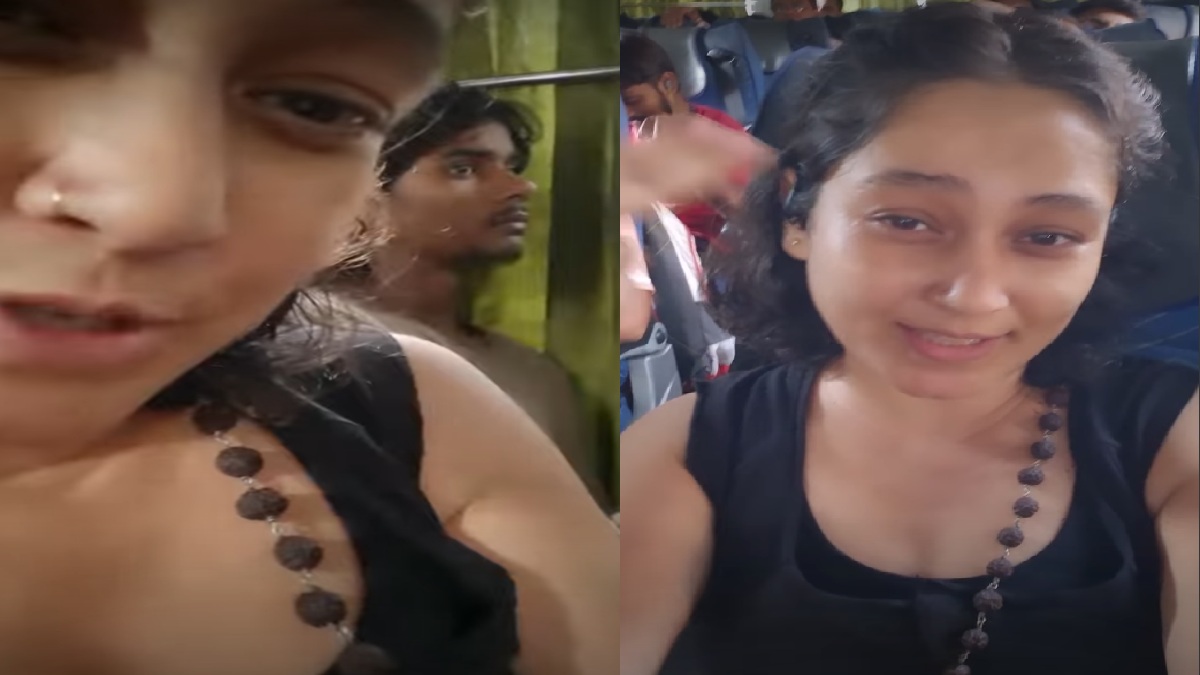
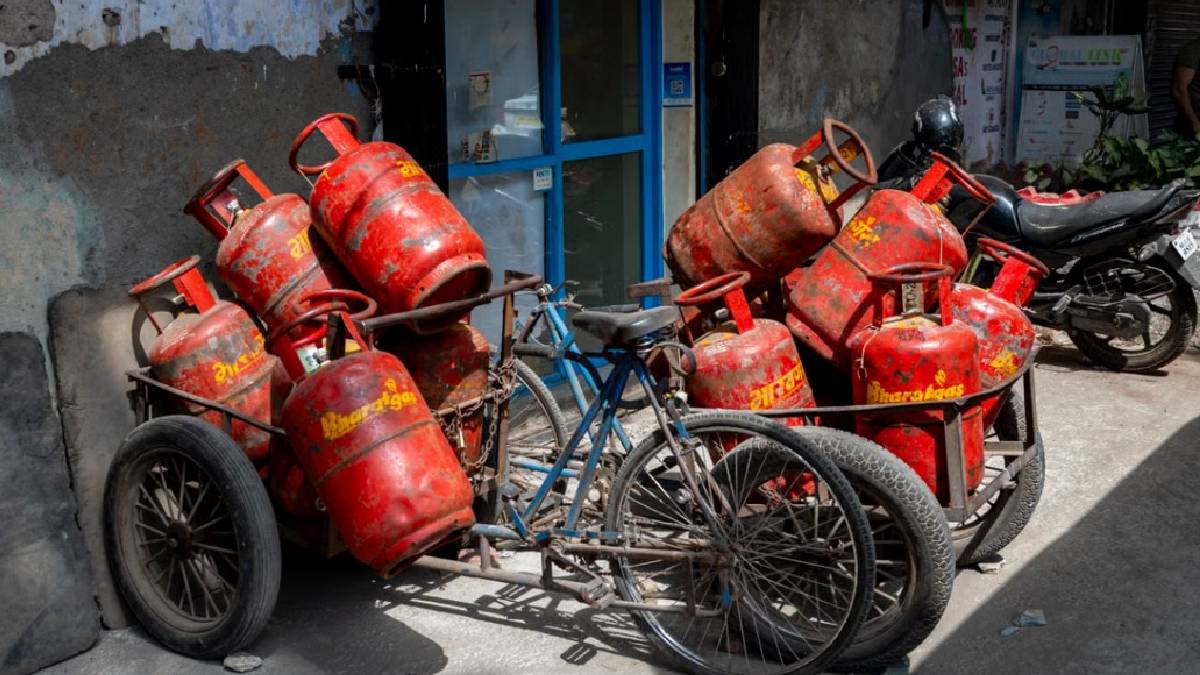
Jaipur, famous for its grand forts, historic palaces and its iconic pink-hued architecture, has come under renewed scrutiny after photographs and a video showing foreign tourists taking pictures of roadside garbage were posted online. The images’ locations appear to have been shot close to a busy commercial city centre where people have seen waste, debris and puddles on the roadside, prompting questions about the city’s sanitation and waste management systems.
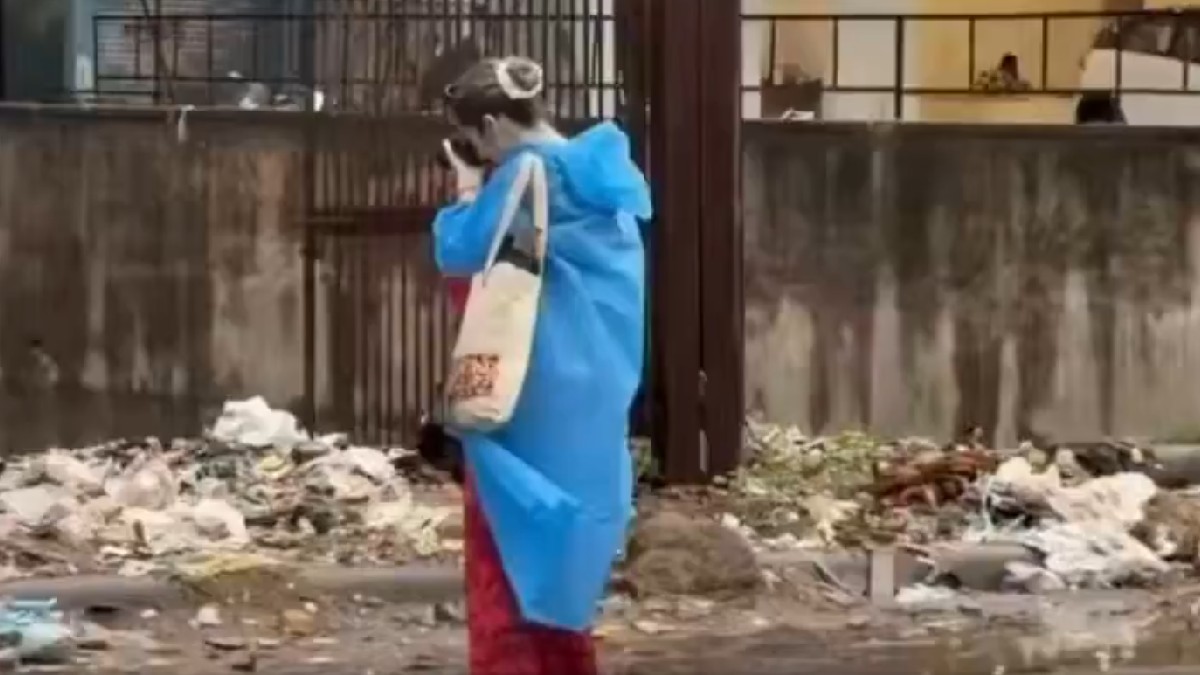
The video quickly spread on social media, with many people wondering how a major tourist destination can continue to fail to clean up after visitors in areas that are regularly frequented by individuals. Jaipur attracts tourists from all over India and the world every year, and its heritage status as a tourist attraction means that public spaces and streets will be at the heart of the experience for visitors.
The incident has also revived a larger discussion about civic authorities and residents' responsibilities to maintain public spaces. Local social media users blamed local authorities for failing to maintain regular garbage collection and proper sanitation, particularly in the commercial and tourist-facing parts of the city. Meanwhile, residents and businesses also have a role to play in preventing waste from accumulating on roads and in public areas.
The photographs have also raised another kind of criticism, with users objecting to how tourists seemed to document the garbage. Such images were called "poverty porn," as taking photos of unpleasant scenes for online viewing may render complex civic and social issues a spectacle for the viewer. So the debate has extended beyond Jaipur’s sanitation issues to questions about how poverty, poor infrastructure, and urban problems are represented by visitors.
The controversy comes at a very sensitive moment for Jaipur’s heritage identity. The historic walled city of Jaipur was designated as a UNESCO World Heritage Site in 2019, thanks to its cultural, architectural and urban significance. The designation has put an emphasis on the preservation and management of the historic city, including concerns surrounding encroachments, conservation, and the overall condition of public spaces.
Jaipur’s heritage status does not mean that every street or neighbourhood will be free from civic problems. But recurring sanitation issues can affect the way visitors perceive the city and may raise questions about whether heritage conservation is being adequately supported by broader urban-management measures.
Reports of sanitation-related disruptions and strikes have also made clear the city’s waste collection system’s vulnerability. Waste can accumulate in prominent places when garbage collection is disrupted for long periods of time, particularly in areas that are frequently visited by tourists.
For Jaipur, the issue is now much bigger than one viral video. The episode has highlighted the disparity between the tourism image of a city and what it actually feels like on the street. A city loved worldwide for its architecture and history needs reliable waste collection, clean roads, functioning drainage, and well-maintained public spaces to maintain that reputation.
Foreign tourists are seen photographing roadside garbage dumps in Jaipur.
— Manish RJ (@mrjethwani1) September 7, 2026
Shame on the citizens and the government! pic.twitter.com/d1Rla0HSxI
The debate is also about a balanced dialogue. Civic authorities need to create an efficient waste-management infrastructure and ensure that sanitation services work consistently. Citizens, shopkeepers, and visitors can also support the solution if they dispose of waste in a responsible way and respect public spaces. Addressing this issue requires all sides to be involved rather than putting the entire responsibility on one group.
The December 2026 deadline for encroachments and conservation has also increased attention on Jaipur’s heritage management. As authorities work to address issues affecting the historic city, cleanliness and public space management are going to be more and more of a topic of discussion as Jaipur develops as a global tourism destination.
Viral images may eventually disappear from social media feeds, but the questions they have raised are unlikely to vanish so quickly. For a city that draws millions of visitors because of its heritage, ensuring that everyday urban infrastructure matches its global reputation will remain a crucial challenge.