
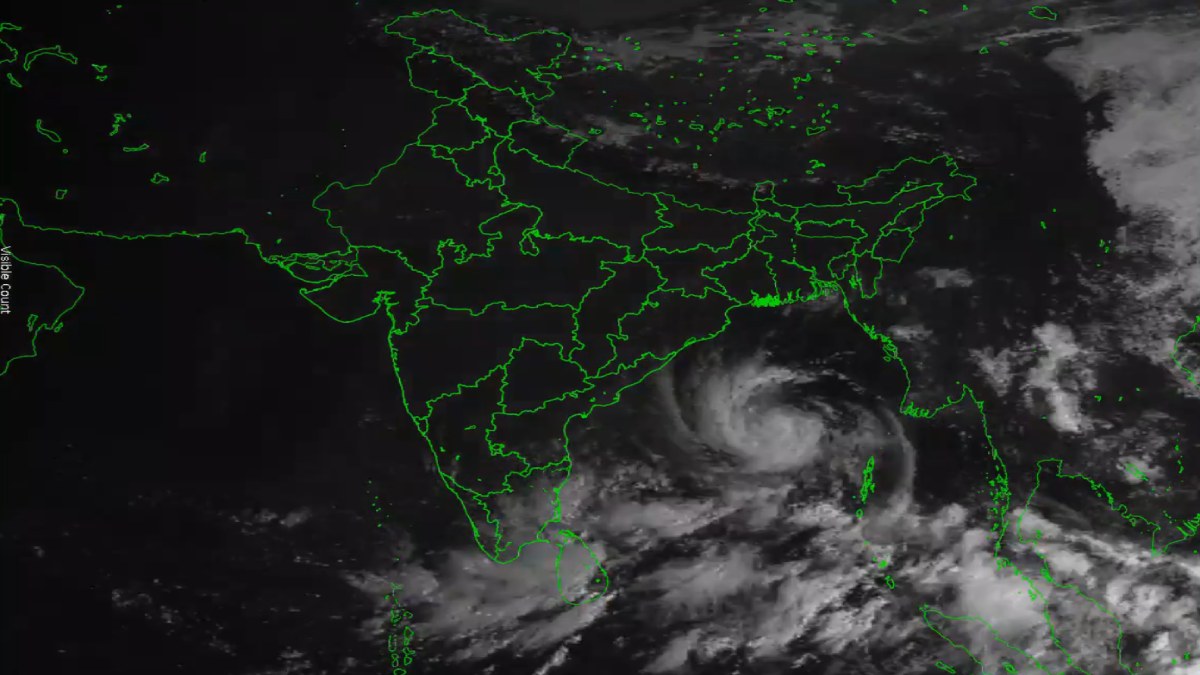
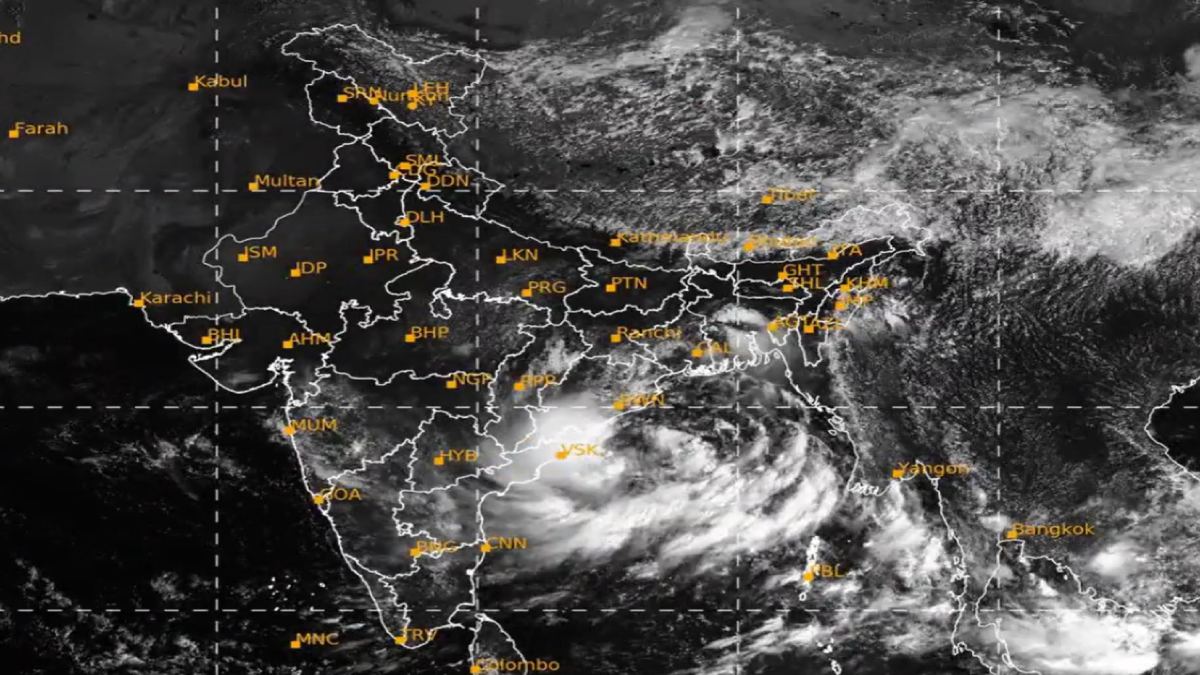
East coastal states of India are in a state of high logistical readiness as a major weather system, termed as Very Severe Cyclonic Storm Arnab, is speeding across the Westcentral Bay of Bengal.

The India Meteorological Department issued very urgent warnings saying it is on the way with a landfall set for Wednesday, October 28.
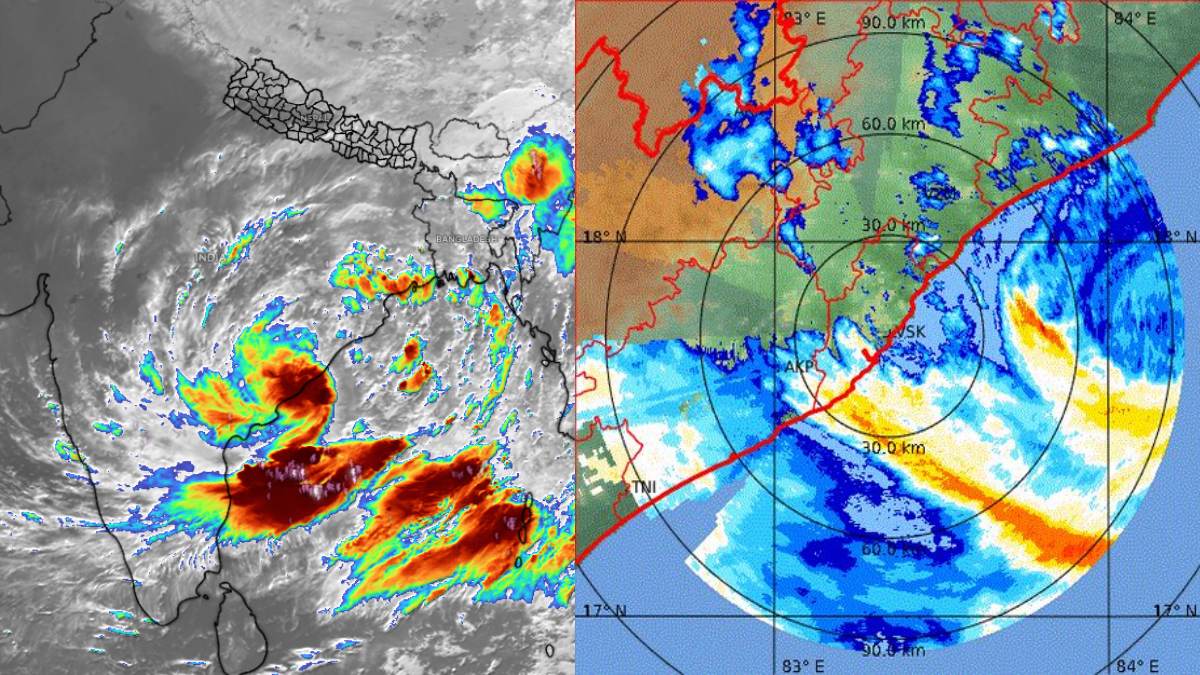
The storm is expected to pass through the coast between Bapatla and Visakhapatnam and the Yanam region of Puducherry, where the cyclone will hit and stay on the coastline from which it will be particularly close.
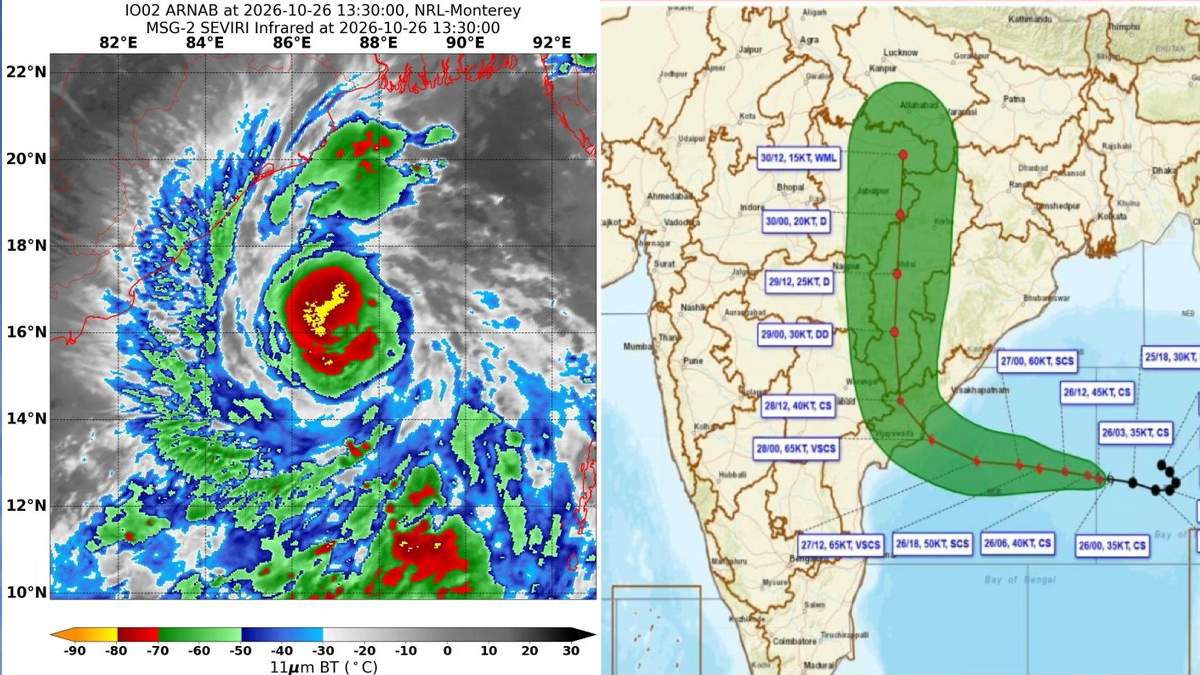
The wind speed is expected to be around one hundred fifteen to one hundred twenty-five kilometers and the strongest gusts to be up to one hundred forty kilometers at the time of impact. Odisha Goes to School Closures and High Alert status.
Although the main area of landfall is to the south of Andhra Pradesh, the state government of Odisha has taken great care to protect its southern areas.
The chief minister Mohan Charan Majhi has declared a holiday for all educational institutions and shut down schools, colleges, and Anganwadi centres in six very vulnerable southern districts in Ganjam, Gajapati, Rayagada, Malkangiri, Koraput, and Nabarangpur on October 28 and 29.

Local district collectors in neighboring districts have also been authorized to apply similar measures in case of sharp changes in the local weather.
To ensure zero casualties, the Odisha administration has placed the Odisha Disaster Rapid Action Force, National Disaster Response Force, and regional fire safety units on high alert.
Commercial fishing has been banned and there is a ban on all boats.
In addition, administrative agencies have closed access to high tourist places, structural dams, and waterfalls in the high-risk areas to prevent accidental submersions or structural emergencies.
Andhra Pradesh Mobilizes Mass Evacuations
In Andhra Pradesh, where the cyclone will be most serious, the state's disaster management is being closely supervised by Chief Minister N Chandrababu Naidu.
State agencies have started the mass evacuation of low-lying coastal communities and emergency personnel are responsible for the evacuation of thousands of people to cyclone shelters.
A red alert is in place in the coastal hot spots like Visakhapatnam, Kakinada, Guntur, and Krishna, where severe flooding is imminent.
In addition to the extreme precipitation, the primary worry for Andhra Pradesh authorities is that the sea level will rise up to one point five meters above the astronomical tides.
This wall of water will inundate the low-lying rural areas particularly close to the Kakinada shoreline.
Defense agencies like the Indian Army, Navy, and Coast Guard have deployed deep water rescue ships and aircraft along the coast to respond to sudden breaches in infrastructure.
Wider Regional Disruptions
The structural reach of Cyclone Arnab is causing some minor disruptions in different parts of India.
The Indian Railways network has already cancelled many commercial passenger trains that are operating along the eastern line to avoid logistical breakdowns.
In the meantime, the atmospheric spillover from the system will also bring unseasonal heavy rains to areas of South West Bengal, Jharkhand, and Eastern Uttar Pradesh in the coming days.
Central monitoring bodies are advising absolute compliance with localized evacuation requirements as the outer rainbands of the storm start to meet up with the mainland.






Comments