Garlic-ginger paste is essential in many of our home-prepared stir-fries and curries. It is especially valuable in non-vegetarian dishes. However, if store-bought garlic-ginger paste enters the diet due to lack of time to make it at home, it might contain preservatives that are detrimental to health. These preservatives can cause several health problems.
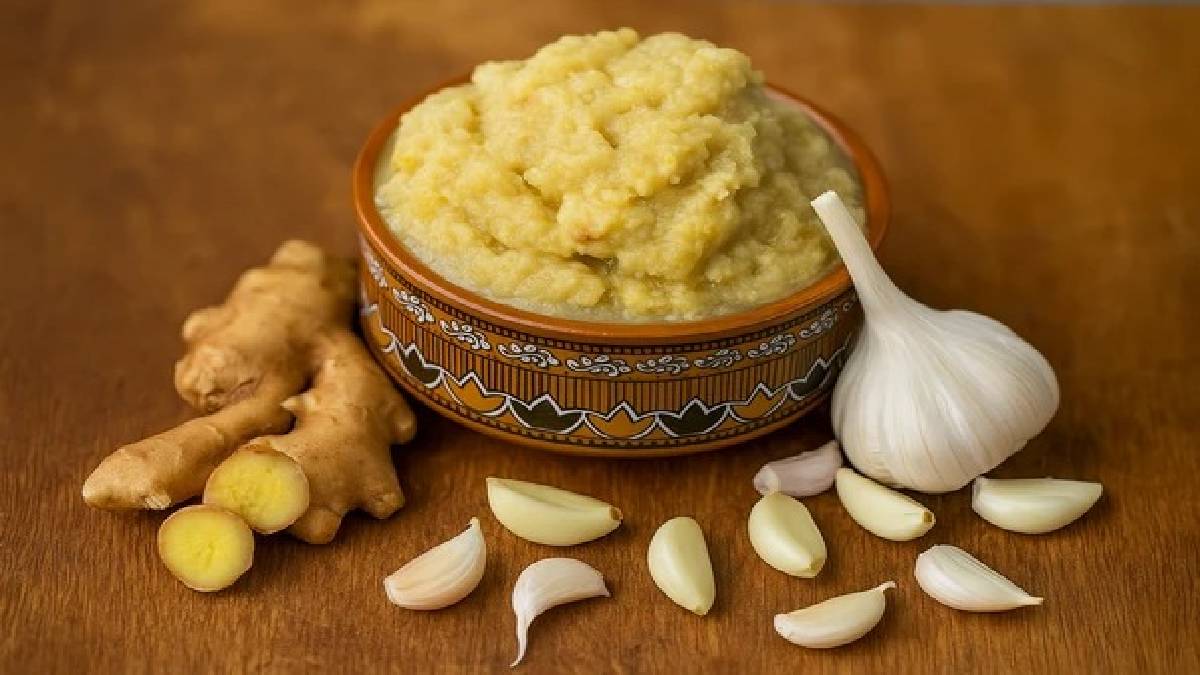
There are a few things you need to know when using garlic-ginger paste. First of all: make it at home, not get it from the store. Doing so will save you from several health problems that could otherwise occur. Here's how to make garlic-ginger paste at home and what your stores typically stock.
What Is in Store-Bought Paste?
To prevent garlic-ginger paste from spoiling, a range of preservatives are added. Health experts say that these preservatives are generally not safe for the body since there are many chemicals present.
What Are the Most Common Ingredients?
Looking at the components of garlic-ginger paste, the principal additives include citric acid, xanthan gum, and synthetic food colors. Although they are harmless in moderation, repeated or excessive use can cause health hazards.
Possible Stomach Issues
Some people may experience digestive discomfort, although usually the situation will not aggravate greatly. People with sensitive stomachs are more often affected than others. Overconsumption is a recipe for disease.
Things to Check When Buying
Be extremely careful with garlic-ginger paste from a store. Look out for the expiration date and any change in smell. If the paste also seems abnormally thick or watery, that’s another sign that quality issues may be happening that affect your health.
Making It at Home
Yes, instead of buying from the store, you can make garlic-ginger paste at home. For this, peel and clean the garlic and ginger, dry them well, and then grind with a bit of salt and coconut oil. Without using artificial additives, such a homemade paste can be stored in the refrigerator for a week.
Important Note
The content in this article is for general and educational purposes only. It is neither medical advice, diagnosis, nor treatment. Consult a trained doctor with any health-related concerns.