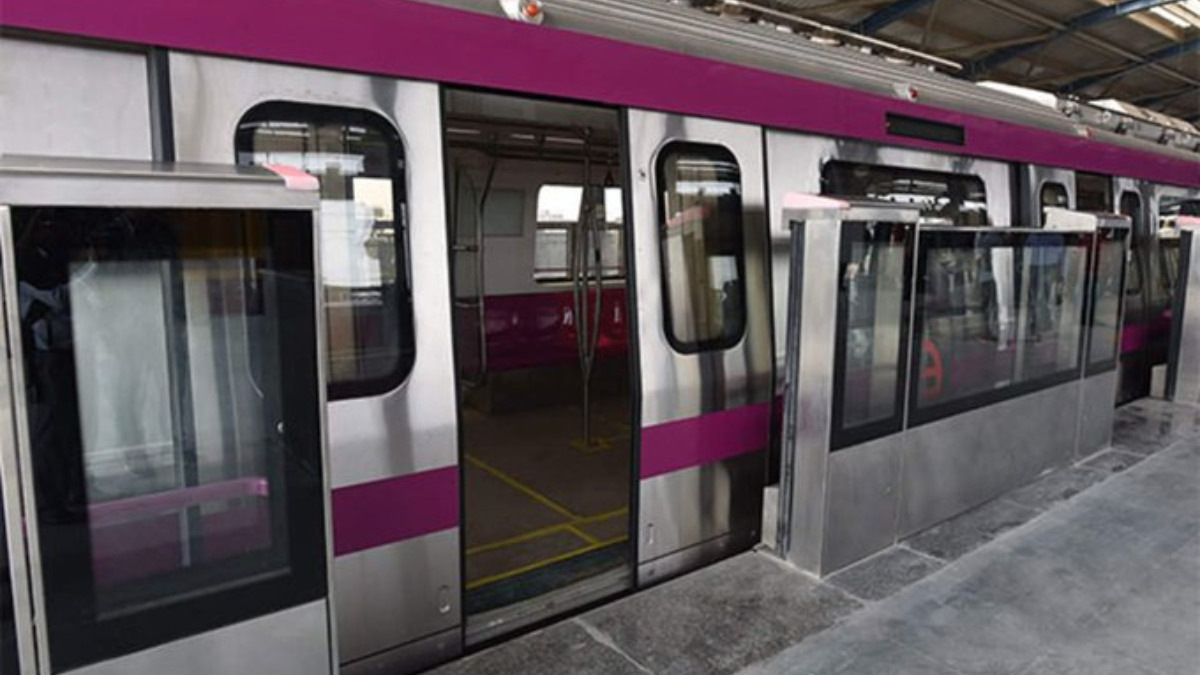
Public transport systems are designed to ensure that everyone enjoys a safe, convenient, and fair ride. Bengaluru Metro, one of India’s busiest urban rail networks, is making headlines today for charging more than one lakh passengers a fine. The fines are related to such offenses as no-handing-over-seats for pregnant women and elderly people, chewing gutka which they shouldn't have, playing loud music or eating food in the train. What this reveals is quite clear: the Metro is trying hard to keep orderliness and make travel a pleasure for everyone.
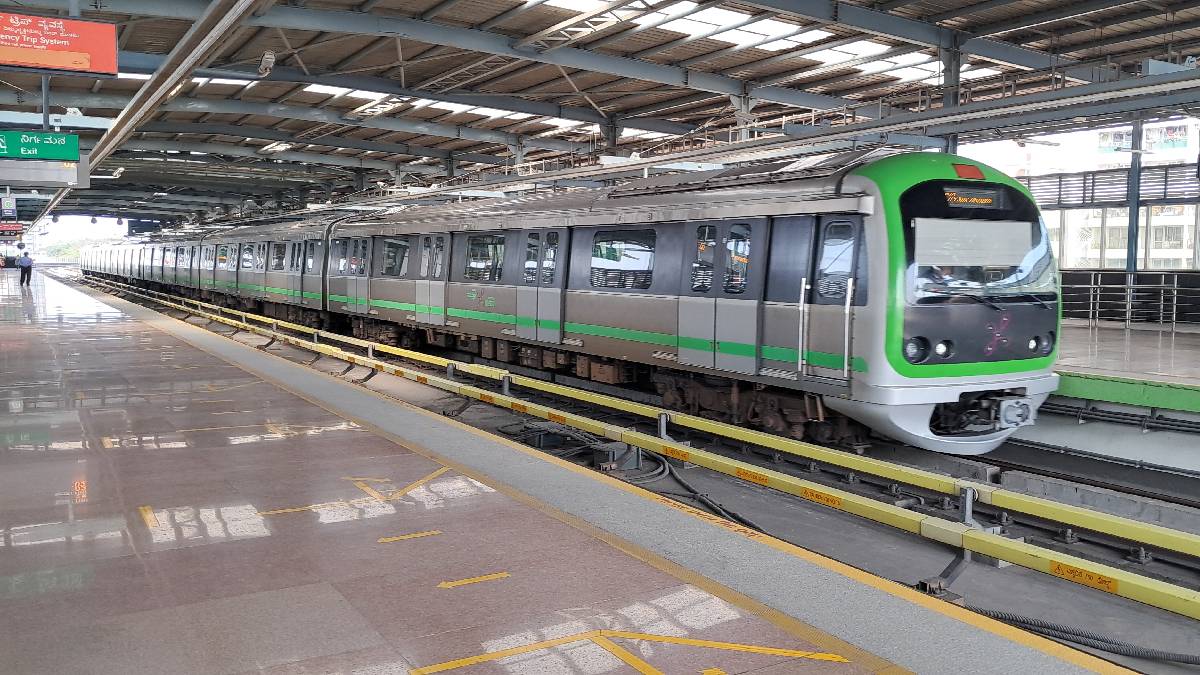
According to official reports, the fines were split between various categories:
- 57,538 cases for passengers listening to loud music or audio that is not earmarked with headphones.
- 37,038 cases included passengers rejecting reserved seats for pregnant women, senior citizens and persons with disabilities.
- 1,907 cases were registered for eating food in metro trains.
These figures show how common these violations are, and why we need stringent enforcement now, if not ever have.
Metro trains are communal spaces with thousands of individuals commuting every day. Such rules for example, one should not give up a seat if you ask in need or not play loud music are not only rules for discipline, they are rules of decorum and safety. Pregnant women, frail passengers and disabled passengers rely on reserved seating. Loud music is a bad thing for fellow commuters and eating in trains can be a nasty thing. By imposing fines, Bengaluru Metro is teaching passengers that little acts of responsibility add up to huge public spaces.
The fines have provoked mixed feelings. Many commuters actually love the harshness and take delight in making for a better travel experience. Others say the penalties are just too harsh, especially for something as minor as eating food. But it is clear overall that the Metro seeks to establish a culture of respect and responsibility among passengers.
This project also serves as an example to other cities in India. Amid the proliferation of urban transport systems, it will be vital to show discipline. Bengaluru Metro’s enforcement demonstrates that rules aren’t guidelines; they're pledges to comfort and security for the greater net.
The Bengaluru Metro finding more than one lakh residents serves as a reminder that public transportation is optimal when everyone plays by the playbook. The Metro is working to make it a safer, more respectful place by fixing loud music, no seat surliness, and food in the trains. For an emerging city like Bengaluru, these are also essential steps so that public transport is seamless, just, and open to all.