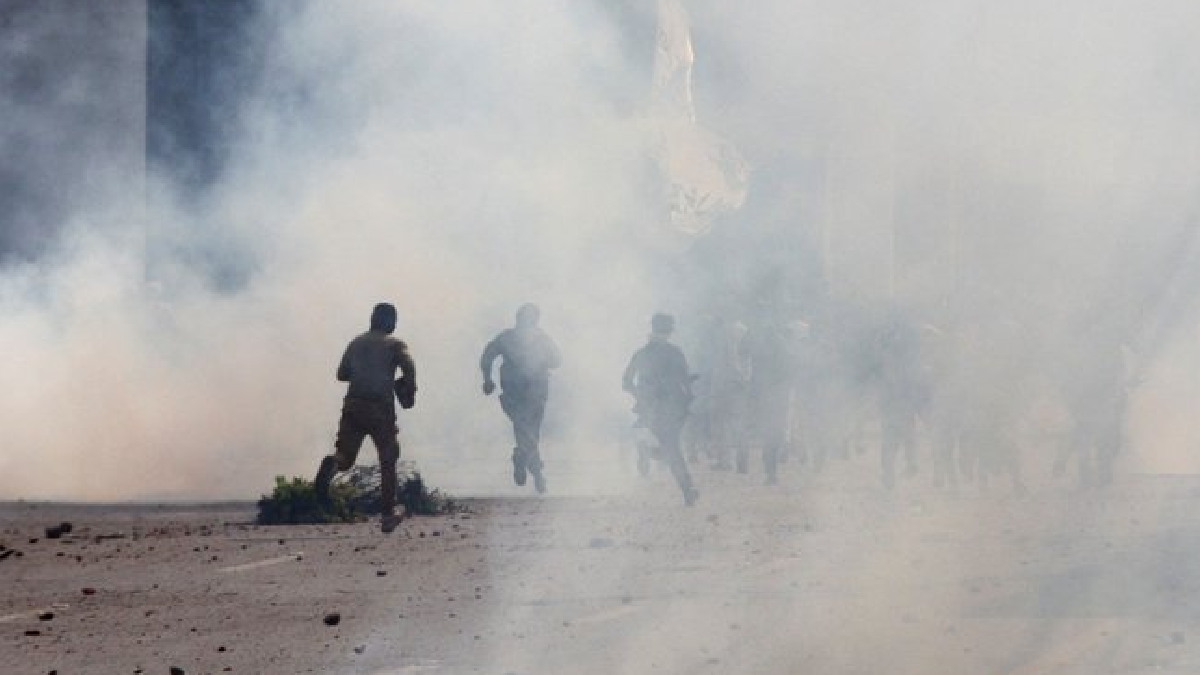
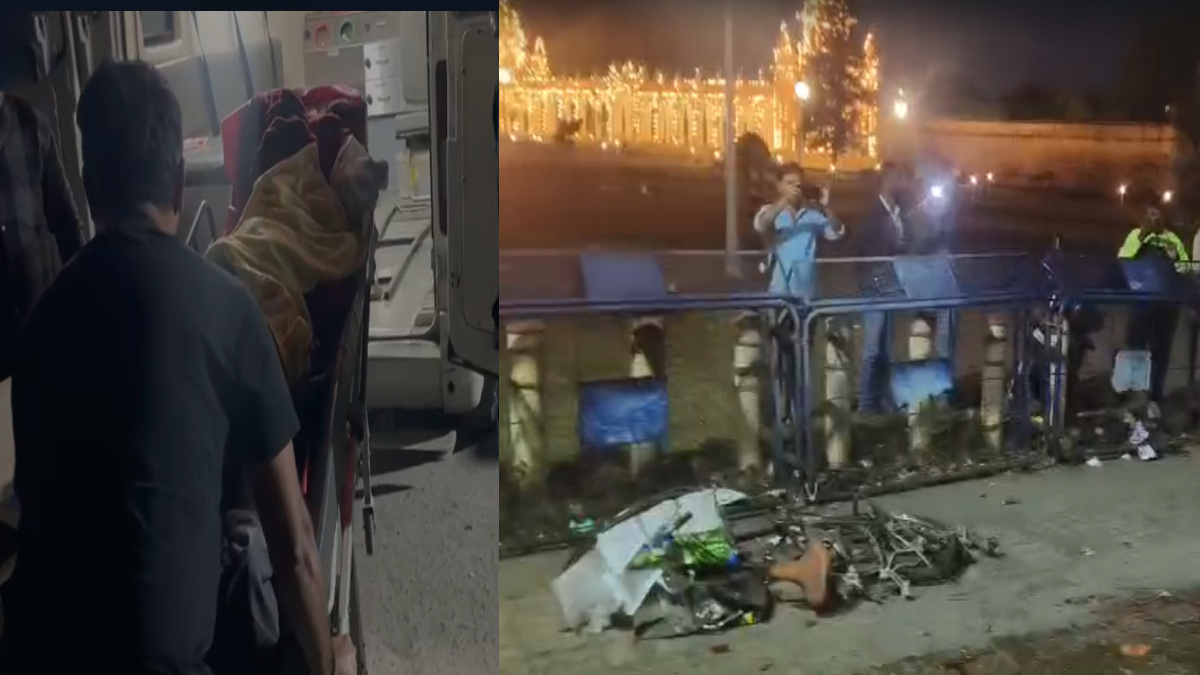
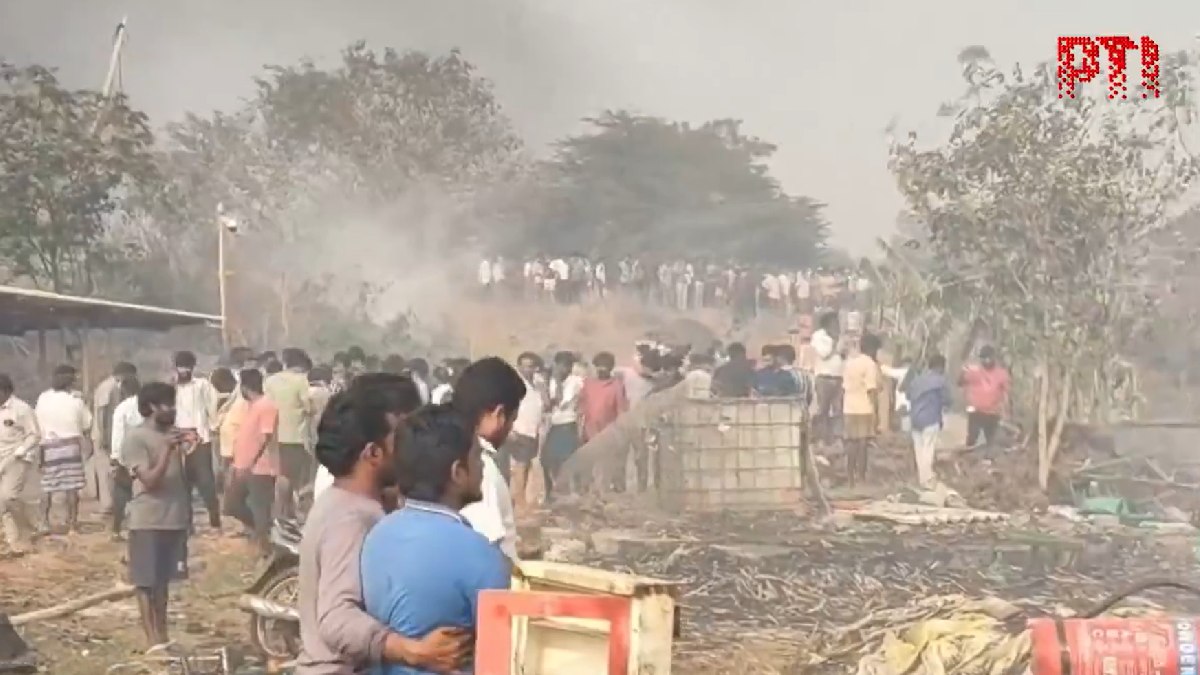
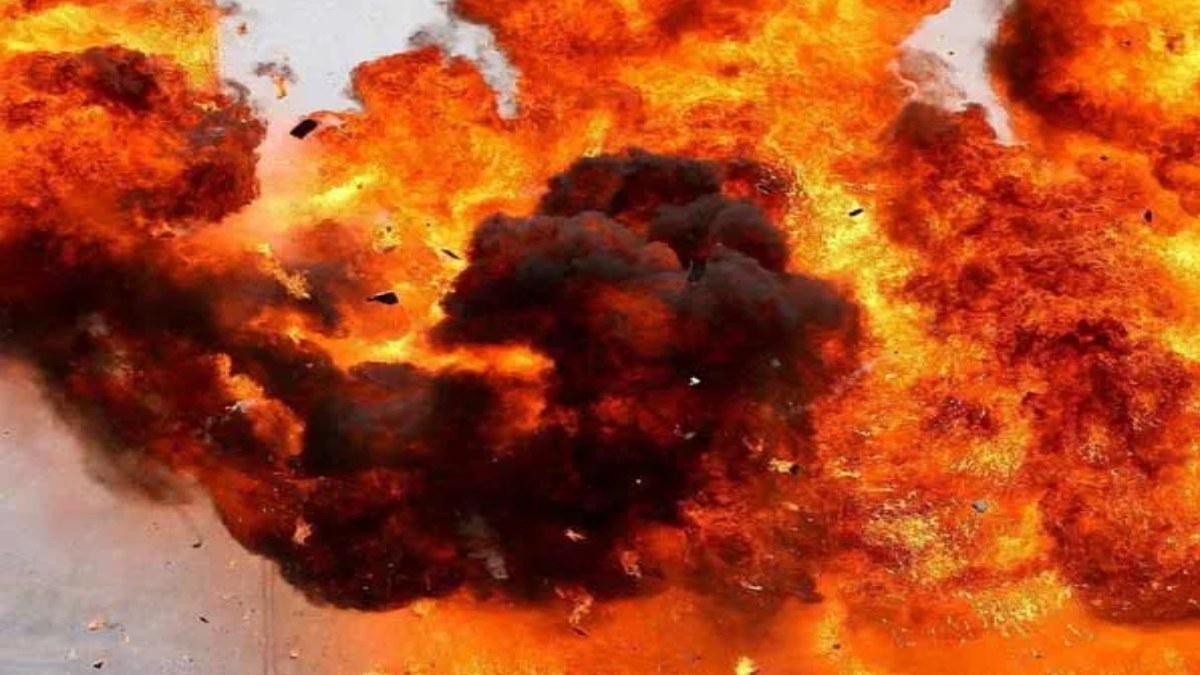
The huge suicide explosion took place on Friday afternoon at the Imambargah Khadijatul Kubra, one of the holiest sites in Tarlai Kalan adjacent to Islamabad, killing 31 innocent worshippers and injuring over 169 others, including those with serious wounds. The strike took place at the peak of Friday congregational prayers, where congregants gather for worship in a more communal context.
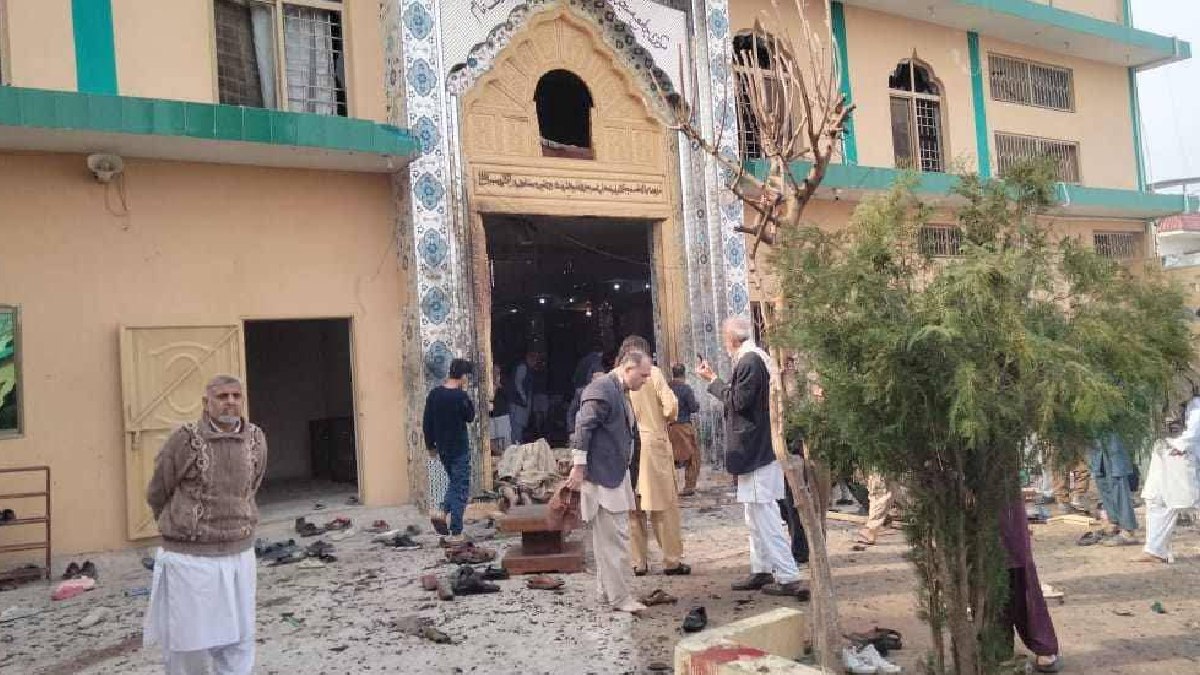
Chaos and panic spread around the area, witnesses reported, as the momentary explosion broke the peaceable ambience of the sacred space. Security officials said a suicide bomber attempted to enter the main prayer hall with the fatal blow but was snared by the entrance gate.
During a hot and short fight, the guards began gunfire between themselves and the attackers, and finally, the bomb was detonated at the entrance. It’s probably an act of courage and one that probably spared a greater number of human lives, one that in most cases meant many lives saved, particularly in the crammed mosque.
Emergency Response
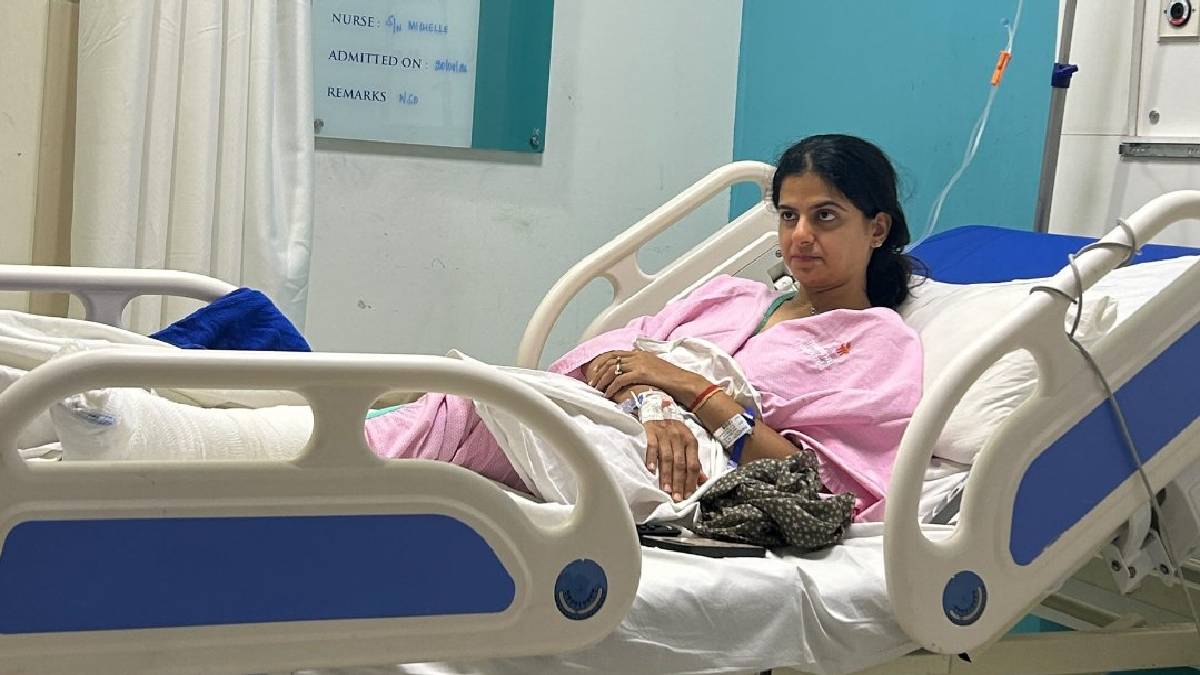
After the explosion, the Islamabad District Administration issued a prompt declared state of emergency to all government hospitals across the city. This enabled medical institutions to be fully prepared to manage the multitude of casualties. The Pakistan Institute of Medical Sciences (PIMS) as well as the Polyclinic Hospital were on high alert and had extra personnel available to handle the large crowd of injured persons to combat. A large portion of those afflicted were in life-threatening condition and required immediate medical assistance and care.
Official Condemnations
The brutality of the attack as felt by Pakistan’s leadership elicited strong reactions. President Asif Ali Zardari and Prime Minister Shehbaz Sharif condemned the “cowardly” attack as a heinous crime against humanity. Sad and outraged at their words that expressed senseless violence against people attending peaceful worship.
They said solidarity was extended toward the families of victims, and that the struggle against terrorism must be pursued with an unbreakable backbone. The Ministry of Interior has initiated an investigation of the attack with early signs that links may be made to the banned group Fitna al-Khawarij, or Tehrik-i-Taliban Pakistan (TTP). Security forces are scrambling to gather useful intelligence and examine its broader implications for national security.
Security Measures
The federal capital has since gone into high alert after this kind of attack. The Tarlai region is being heavily cordoned off by security forces, access points of entry or exit are being watched. And all entrance and exit routes to the city have been patrolled and cordoned off from all outside traffic. But as the people witness what happened, such acts can result in the danger of some kind of incident at the same time.
Law enforcement has already greatly increased security in the place and now wants to ensure that another one does not happen in the foreseeable future and as such its risk is only increased. The police have not officially accused any group tonight of the attack more generally.
This is especially vexed as the President of Uzbekistan came to the capital for a high-profile visit that has led to serious security threats not only to the capital but to the wider region. This tragedy can never be forgotten; government and security forces are the best and most careful in deciding how to take on the implications for public safety.