Busy life, long meetings and hours spent in front of computer screens are so many things that we often forget one of the basic and most important health habits that people should be paying attention to drinking enough water.
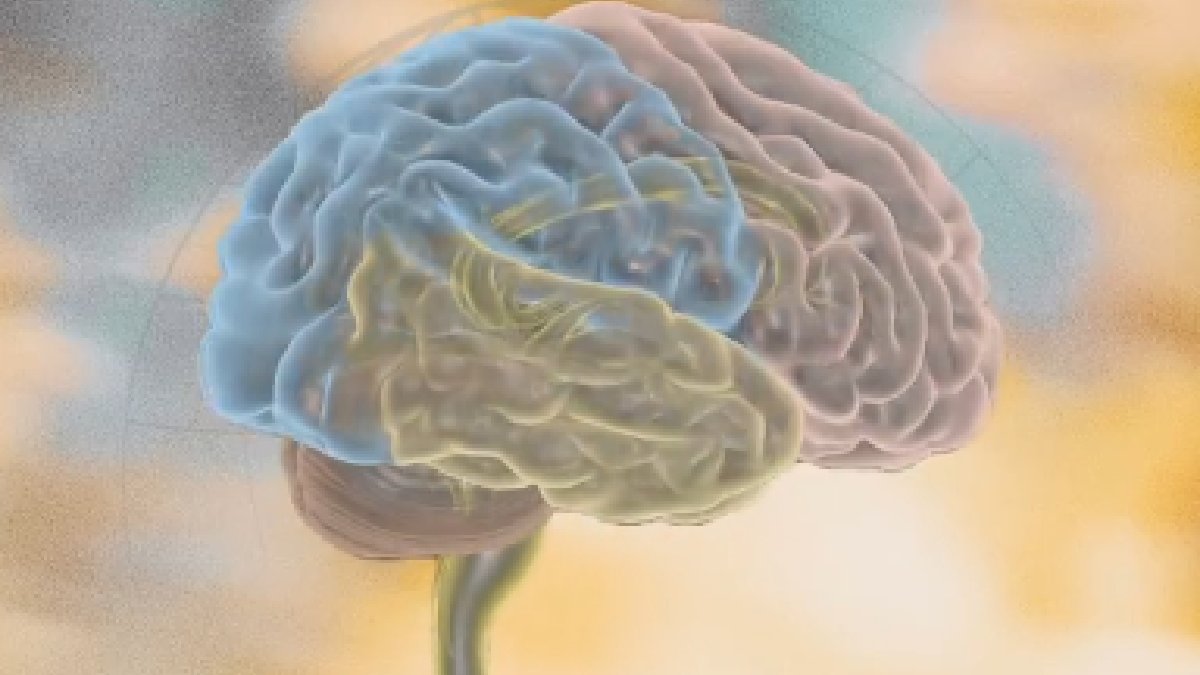
Dehydration is common when it comes to thirst but experts say that your brain will start to feel it long before you realize you're thirsty.
Neurologists tell us that the brain depends on proper hydration to function efficiently. Even mild dehydration can affect concentration, slow reaction times, affect memory, and affect overall cognitive performance.
Being made of nearly 75% water it is vital to be hydrated for mental clarity and overall health.
Why Hydration is important for brain health
Water gives brain cells oxygen and nutrients while removing waste products. If your body doesn’t have enough fluids, brain blood flow is less and you can’t think clearly and concentrate.
This is particularly so if you’re in the office for long hours with air conditioning, drink lots of coffee and don’t take breaks.
Health professionals recommend drinking water throughout the day as well, not waiting until you feel thirsty in order to feel thirsty because thirst is often late to show symptoms of dehydration.
7 Signs Your Brain May Be Affected by Dehydration
1. Frequent Headaches
One of the earliest signs of dehydration is a headache. Lack of fluid levels can temporarily disrupt blood circulation and brain function and can cause short-term loss of blood flow and brain function to work poorly and cause pain and migraine-like symptoms.
2. Difficulty Concentrating
If you can’t keep focused in meetings or perform tasks during a task and are not hydrated, your cognitive performance could suffer.
3. Brain Fog
Another common symptom is that you are mentally feeling slow and unable to think clearly. Dehydration can slow down information processing and decrease alertness.
4. Fatigue
Low water intake has the effect of leaving you sleepy even after you have slept. Dehydration is what leads to low energy levels and is very tired when you wake up in the morning.
5. Mood Changes
Dehydration is likely to exacerbate irritability, anxiety and stress and affect a person’s mental health, and may decrease overall mental well-being.
6. Dizziness or Lightheadedness
When standing up or moving quickly, poor hydration may reduce blood volume and you get dizzy when standing up or moving fast.
7. Poor Memory
Even mild dehydration has been correlated with short-term memory issues and slower decision-making which have had a negative impact on productivity at work.
Short Ways to Stay Hydrated
Don’t drink large amounts of water every day and drink small sips of water from a reusable water bottle with a reusable bottle at your desk and take small sips in a few minutes each day instead of drinking large amounts at once.
As a fluid drink of the day, cucumbers, oranges, watermelon, and tomatoes are among the water-rich foods that contribute to your daily fluid intake. Limit sugary drinks and balancing coffee consumption with water may also support hydration.
The exact amount of water that people need varies from age to age to activity level, climate, and health condition but watching your body's signals and drinking fluids regularly would be essential for proper brain function.
Healthy hydration is one of the easiest and cheaper ways to support brain health, increase productivity and energy in the workplace.
If symptoms of dehydration are observed even after enough fluids are present it is important to seek the advice of a healthcare professional to rule out any underlying medical condition.