
Reading is often presented as a way to build children’s vocabulary, imagination and academic performance. Yet it has benefits beyond learning. New research suggests that children and young people who read regularly also tend to report better emotional well-being.
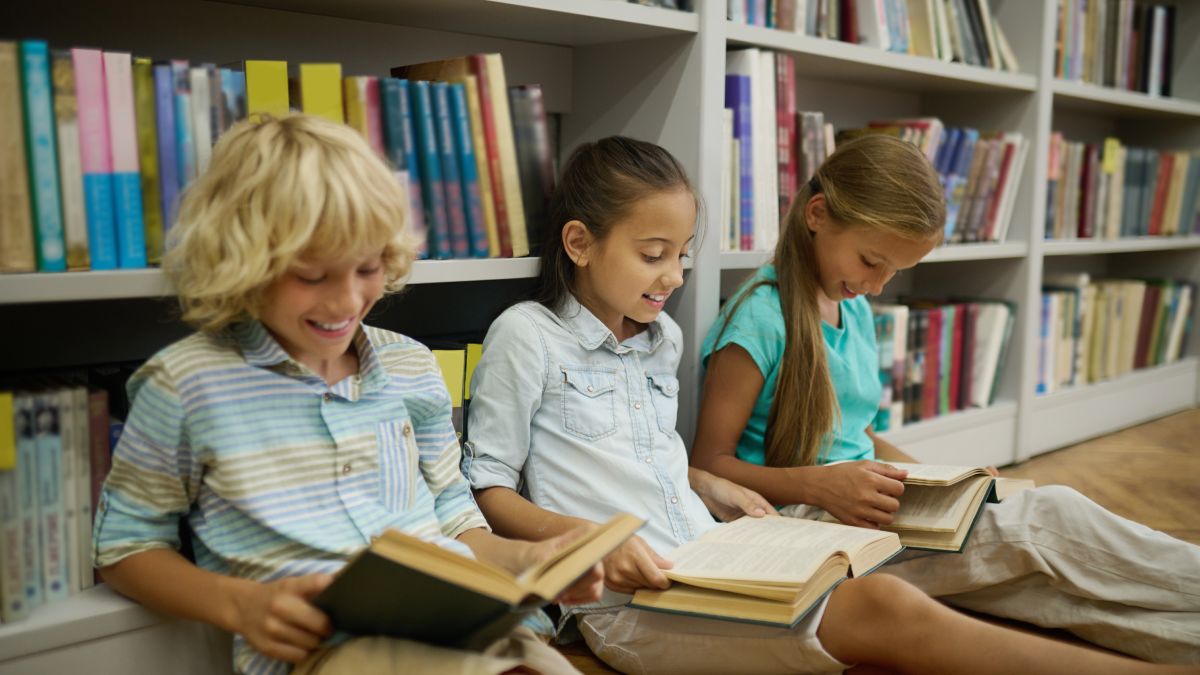
A survey conducted in 2026 by the National Literacy Trust in the United Kingdom found a strong correlation between reading habits and well-being among children and young people ages 8 to 18. Children who read more than once a day are more likely to report high levels of well-being (compared to people who don’t or never read).
The research means that kids can find reading enjoyable in their daily lives. But the data do not say reading makes children happier. Family support, access to books, social ties and personal circumstances also influence well-being.
What Does The New Research Show We Can Do for Kids And Reading?
The National Literacy Trust’s 2026 Annual Literacy Survey received responses from over 52,000 children and young people across the UK.
The findings found 84.9 percent of children and young people who read daily reported high well-being, while 71.1% rarely or never read.
The survey also found children who enjoyed reading were more likely to report high well-being. 83.1% of people who enjoyed reading reported high well-being, while 78.8% didn’t.
These results suggest reading frequency and enjoyment may be a big part of children’s psychological well-being.
But the results should be interpreted carefully. The survey does find a connection between reading and well-being but it cannot prove that daily reading directly causes better emotional health.
Children who are emotionally supported will also be able to like reading. And children with access to books, quiet spaces and supportive adults could benefit in the same way as their reading habits and well-being do.
1. Reading is good for kids’ emotional health.
Children’s minds are open to reading so nothing is to be read out loud and they can let go of their feelings and experiences outside of their immediate surroundings.
Children are under pressure from schoolwork, exams, friends and changing expectations. Reading for pleasure can alleviate these pressures.
Following a story might shift kids’ attention away from the mundane and into another world. For some children, this can be quite easy when reading is done in a safe and supportive environment.
And reading isn’t the same for all children. Children should be encouraged to discover what they like, not to be forced to read for long periods of time.
2. Stories Can Help Children See Emotions and Children Realise Emotions.
Books are often about friendship, disappointment, fear, courage and belonging. With fictional characters, children can have different emotional experiences and consider how people react to them.
A story about a character going through rejection, for example, could be a child’s chance to share at least some of what they’ve gone through in their own life.
And that is not to say that all children will be so emotionally perceptive by reading. The benefits may depend on the stories they hear and how they respond to them.
Parents and caregivers might help in this process by asking children what they thought about a character’s choices or how they might have responded in a similar situation.
3. Reading May Encourage Confidence And Independence
As children become more comfortable with reading, they may feel more confident choosing books, exploring unfamiliar topics and understanding new ideas.
As a result of completing a story, or finding something they like, they also feel that they are doing well.
The survey’s findings on reading confidence underline the need to help children feel comfortable reading. The children who were more confident readers are more likely to report high well-being than those who were not.
This confidence is further developed if children are encouraged to choose topics which appeal to them, rather than reading as an additional pressure.
4. Books can stimulate Imagination And Connection.
Stories bring children to other people, other places and other cultures. They can stimulate curiosity and help young readers to imagine ways of seeing things beyond their own lives.
Reading together can also create opportunities for connection between children and their parents or caregivers. And sharing a story, discussing characters or visiting a library together can become a regular activity that supports communication.
For older kids, reading independently can bring on a different kind of enjoyment and allow them to explore themselves and make their own preferences.
And the idea is not only to increase the number of pages a child reads but also to help him/her feel that reading is an interesting activity.
What can parents do to encourage children to read every day?
Parents don’t need to make reading a habit or insist that children read a certain number of books every month. Small, regular habits may be more helpful than making reading mandatory.
Let the kids pick their books. Some kids like adventure stories, and others enjoy comic books, mysteries, biographies or books about animals. Letting them work with different types of books can be such an attraction in reading.
Make reading a routine. Set aside time each day to read and then go back to reading every day, even in the morning, before bed or after school.
Read together when possible. Younger children enjoy being read to while older children may like to talk about a story or to read next to a parent.
Books should be easy to access. Libraries, school reading classes and age-appropriate books at home should give children more chances to discover what they enjoy.
Avoid using reading as punishment. If reading is associated with homework, correction or pressure, children will be less likely to approach it as a leisure activity.
Parents need to understand that kids develop different interests and reading capabilities at different speeds. A child who loves audiobooks, illustrated books or shorter stories still wants to hear stories and ideas.
Does Daily Reading guarantee Happier Children?
No. The study found a positive correlation between daily reading and children’s well-being, while it cannot be concluded that reading will make all children happy.
Emotional health is affected by supportive relationships, physical health, sleep, school experiences, family circumstances and social connections.
Reading is one of the positive aspects of a child’s routine, but it can’t substitute emotional support or professional help when a child is struggling.
Parents should be aware of persistent changes in a child’s mood, behaviour, sleep or social interactions. If problems persist, a good healthcare professional or child mental health counselor may also be in touch.
But the research is a reminder that reading is much more than an academic activity. For children in the stories they love to read, reading is good for relaxation, imagination, confidence and connection.
And instead of viewing how much children read only, parents can make books accessible, provide enjoyable reading experiences and let curiosity dictate the way to read them.







Comments