
Cow urine has been used since ancient times in Indian culture and within the Ayurvedic system of medicine.
Historical Mentions
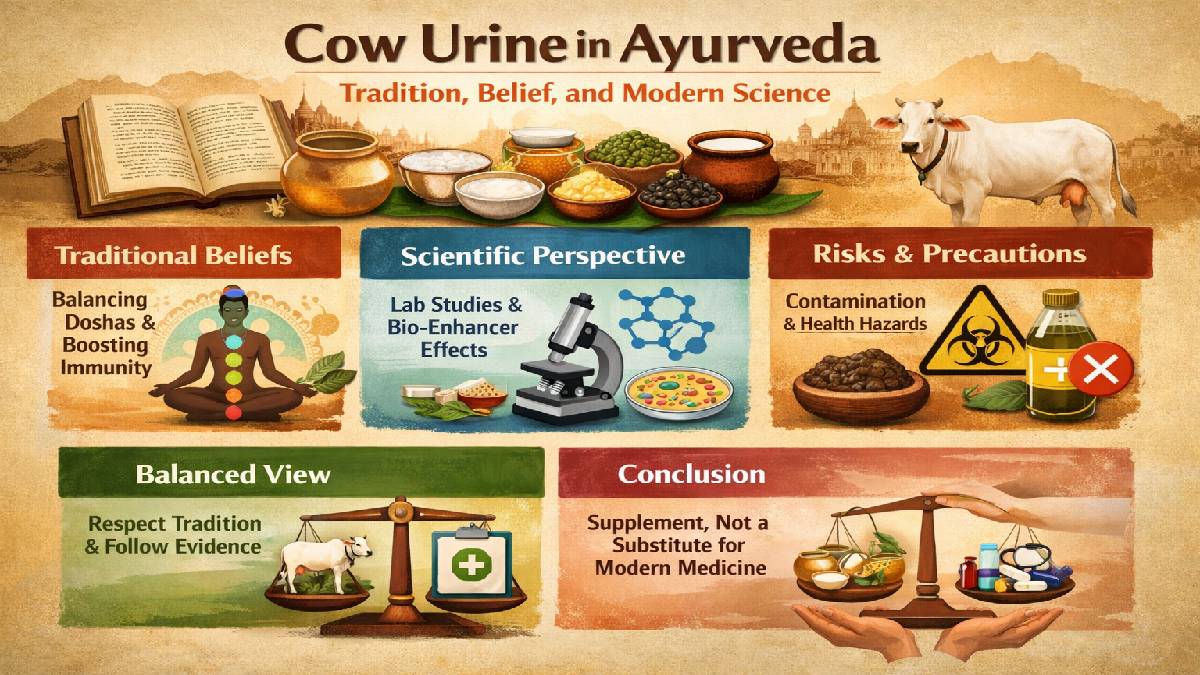
Cow urine is mentioned as part of some therapeutic preparations in classical Ayurvedic texts, including the Charaka Samhita and Sushruta Samhita. Cow urine is a medicinal addition to milk, curd, ghee, and cow dung in Panchagavya which is traditionally thought to aid in the purification and health of the whole body.
Traditional Beliefs
It is believed (by its practitioners) that it provides body doshas homeostasis and the state of well‑being. Cow urine has historically been believed to increase immunity. Cow urine has also been used in Ayurveda to combat digestive problems like indigestion, bloating, and some parasitic infections.
Scientific Perspective
Some small studies have shown that cow urine distillate may stimulate immune responses. However such studies are very few, and larger clinical trials are required. Therefore, it cannot be established as a scientifically medical treatment.
Antimicrobial activity has previously been reported (at a laboratory level), indicating it might inhibit the growth of some bacteria and fungi. Some studies suggest that cow urine could even “bioenhance” it by increasing the effect of several medications. Yet this effect has not been definitively demonstrated in large human studies.

Cow urine is also used in some herbal soaps and cosmetic products for skin care. A number of laboratory studies indicate that it has antioxidant properties to decrease cellular damage. But further science should validate those effects in practice in medicine.
Limitations and Risks
We should point out justifiably now that cow urine currently is not supported by science as a medicine for the cures of some serious diseases such as cancer and diabetes, or heart disease. Consuming raw cow urine carries the potential for bacterial contamination or other health risks. So always consult with a professional before using it for certain diseases.
In summary, cow urine has its traditional place in the practice of Ayurvedic medicine, though on the level of modern medicine and science practice it is at best a supplement or alternative to western medicine. Respecting tradition ought to be counter balanced for responsible treatment, health informed decisions and science‑driven decision making.











Comments
Leave a Comment