Most existing headlines about the “fentanyl crisis” will frame the Chinese illicit networks and Mexican cartels as a contemporary issue. But the deadly collaboration dates back over a hundred years from the late 19th-century physical movement of poppy seeds to the modern, data-driven money laundering and precursor chemical pipelines of 2026.

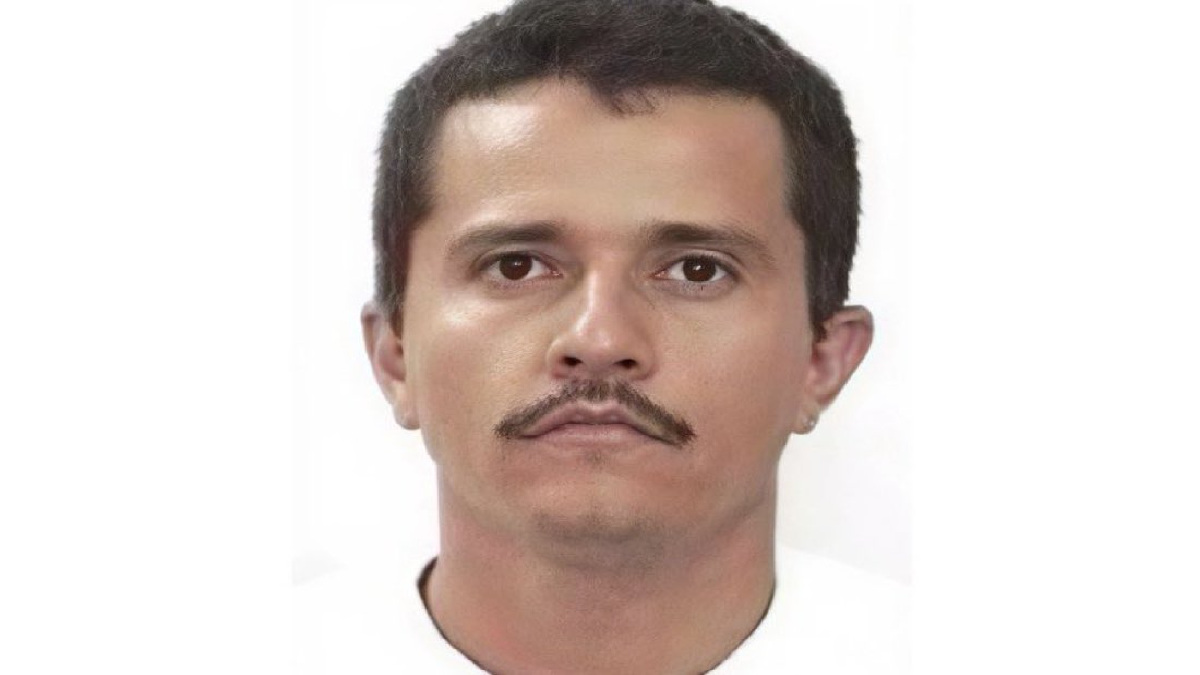
The killing of Jalisco New Generation Cartel (CJNG) chief Nemesio "El Mencho" Oseguera Cervantes (who died on Feb. 23, 2026) is a powerful reminder of this connection again as the international community moves to break down what we have termed the "China-Mexico bridge" of the global drug trade for decades.
The Roots: Opium and the Early 20th Century
The connection started in the late 1800s after the U.S. Chinese Exclusion Act of 1882. When they were denied access to the United States, thousands of Chinese immigrants settled up in the northern Mexican states, especially Sinaloa. They had knowledge of opium poppy cultivation and, not coincidentally, of seeds themselves. By the 1920s, Mexico still mainly influenced by these early networks had emerged as one of the most important suppliers of tainted opium to the prohibition-era United States.
This period provided the physical and metaphorical “groundwork” for Sinaloa to be the home of the modern Mexican cartel. The Synthetic Revolution: Precursors and Fentanyl. As the international drug market moved away from plant-based narcotics and toward synthetics, China’s role transformed from agricultural to industrial. In the 2000s, figures such as Zhengli Ye Gon a Chinese-Mexican businessman revealed the enormous volume of chemical imports.
In 2007, authorities seized more than $205 million in cash from his Mexico City villa, funds that arose from importing pseudoephedrine to power the cartel’s methamphetamine labs. For some people, the fentanyl epidemic is today. Chinese chemical companies, which regularly take the form of legitimate pharmaceutical companies, ship “dual-use” precursor chemicals to Mexican ports such as Manzanillo.

These chemicals are subsequently processed by the CJNG and the Sinaloa Cartel into powerful synthetic opioids for sale in the U.S. and European markets.
- Contemporary Operations: Money and Weapons. By 2026, Chinese involvement has evolved into two key pillars that support the cartels:
- Mirror trades: Chinese Money Laundering Organizations (CMLOs) now rule the day of “preferred bankers” cartels. They use “mirroring” systems under which cash never truly leaves the country to replace U.S. drug dollars with Chinese Renminbi, which Chinese merchants in Mexico then use to purchase legitimate goods and so effectively “clean” the money with surgical precision.
- The Armaments Link: Recent seizures in the Andaman and Nicobar Islands (November 2024) and previous reports after the collapse of El Mencho show that cartels are turning increasingly to Chinese-made military-grade hardware (from drones adapted for explosives and tactical gear) to outgun local law enforcement.
The 2026 Geopolitical Standpoint
In February 2026, the relationship between Beijing and Mexico City is complicated. Although Mexico has imposed heavy tariffs on Chinese goods in an attempt to settle U.S. trade calls under the USMCA review, the “shadow economy” is still booming. The collapse of El Mencho now has ushered in a "golden opportunity" for transnational players to disrupt these vast illicit supply chains via industry. But history shows that as long as the demand for synthetics remains high, the China-Mexico nexus will keep adapting, changing pathways and chemicals to stay one step ahead of the law.