
From the air we breathe to the sun that warms us, Earth provides everything life needs.
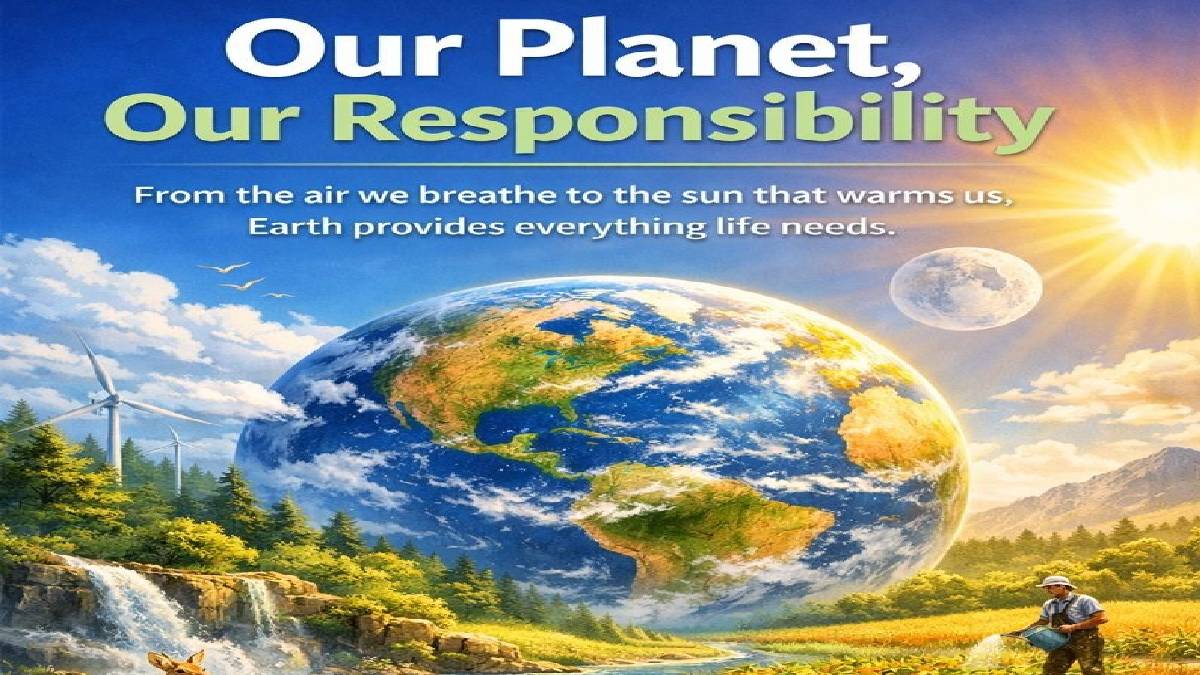
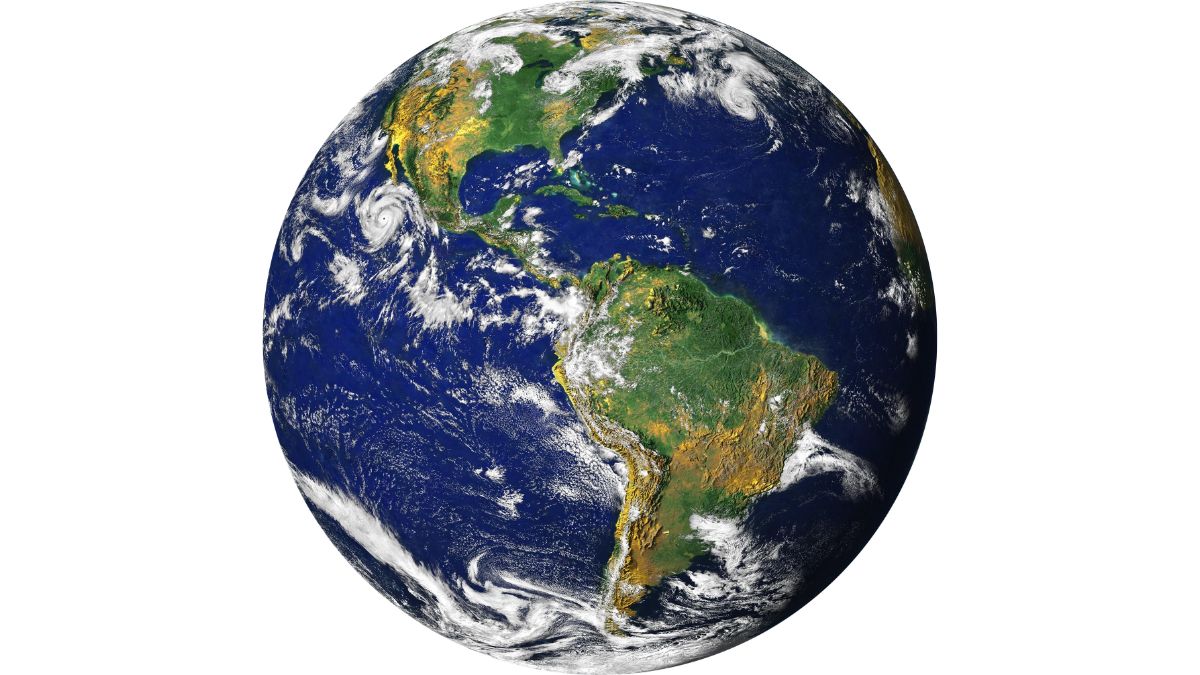
The world’s most wonderful thing about Earth, of the billions of planets in the big world, is its extraordinary ability to sustain life. This is facilitated by a finely balanced interaction between elements such as air, wind, water, the sun, and the moon. Between them, they are part of a web of complex systems that combine to shape the climate, landscape and life on Earth.
The Atmosphere: Air
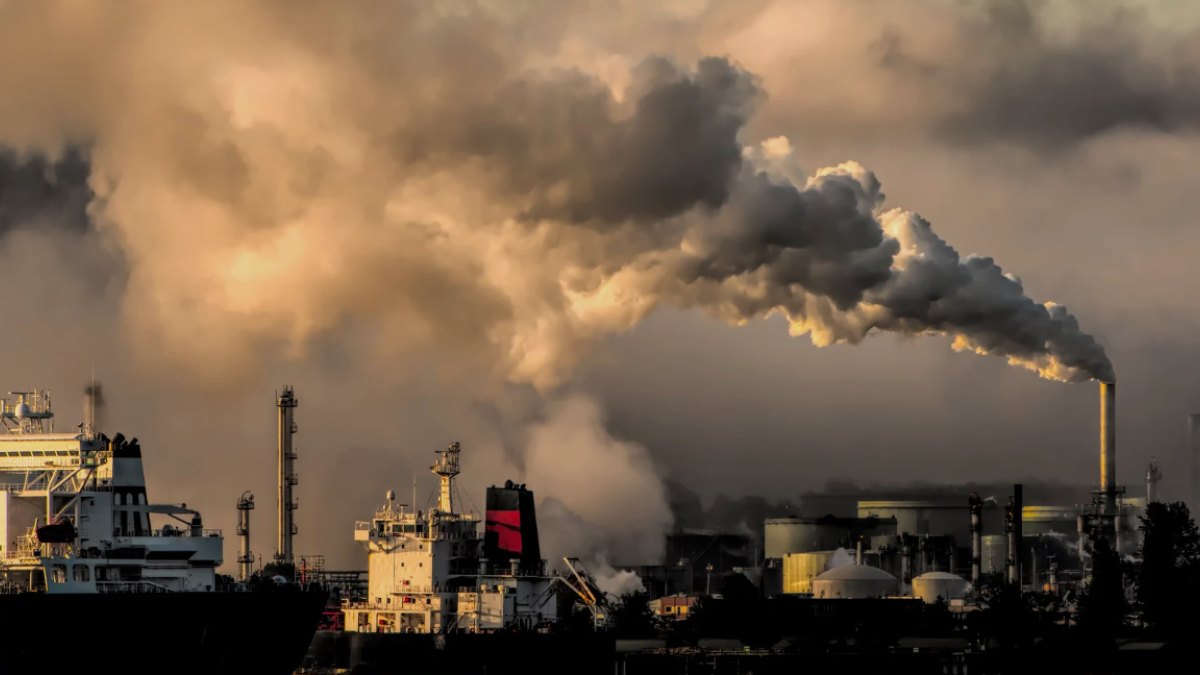
The atmosphere, air, is a protective blanket over the planet. It supplies oxygen to breathe, carbon dioxide to grow plants and shields Earth from harmful radiation from the sun. The atmosphere provides stable conditions for life by controlling temperature and weather. But rising pollution levels are upending this balance. These are reminding us that the issue of global environmental responsibility demands action.

Wind
Wind or the movement of air due to differences in temperature and pressure is a powerful, natural phenomenon. Its effects include temperature and pressure. At the same time they have an effect on weather and climate. Wind is essential to ecosystems supporting pollination and seed dispersal. Today it is considered an important renewable energy resource which encourages countries for cleaner, more sustainable power solutions.
Water
Water is the bedrock of life, and one of the world’s most precious resources. Water touches nearly 71 percent of the planet’s surface, and is present in oceans, rivers, glaciers, and the atmosphere. It links land, air and living organisms throughout the water cycle. Oceans set global temperatures, freshwater systems maintain agriculture, industry and everyday life for human consumption. Despite being abundant, safe drinking water is limited, so global conservation is an urgent priority.
The Sun
The Sun supplies Earth with most of our energy. Its light and heat fuel weather systems, ocean currents and the water cycle. Plants turn sunlight into energy through photosynthesis, and all food chains use this for energy. Seasonal shifts due to Earth’s orbit around the sun affect ecosystems and human activities across the globe.

The Moon
The Moon, Earth’s own satellite, has a quieter but essential presence. Its gravitational tug exerts ocean tides, and contributes to the stabilization of Earth’s axial tilt, ensuring long-term climate stability. The moon has also guided human calendars, cultures and scientific inquiry for centuries.
Finally, Earth is a finely balanced system where air, wind, water, the sun and moon work together to sustain life. Safeguarding this balance isn’t just a choice, it’s a shared duty for the future of humanity.







Comments
Leave a Comment