Fitness: Fat Loss vs Weight Loss. How is the difference that changes your fitness results?
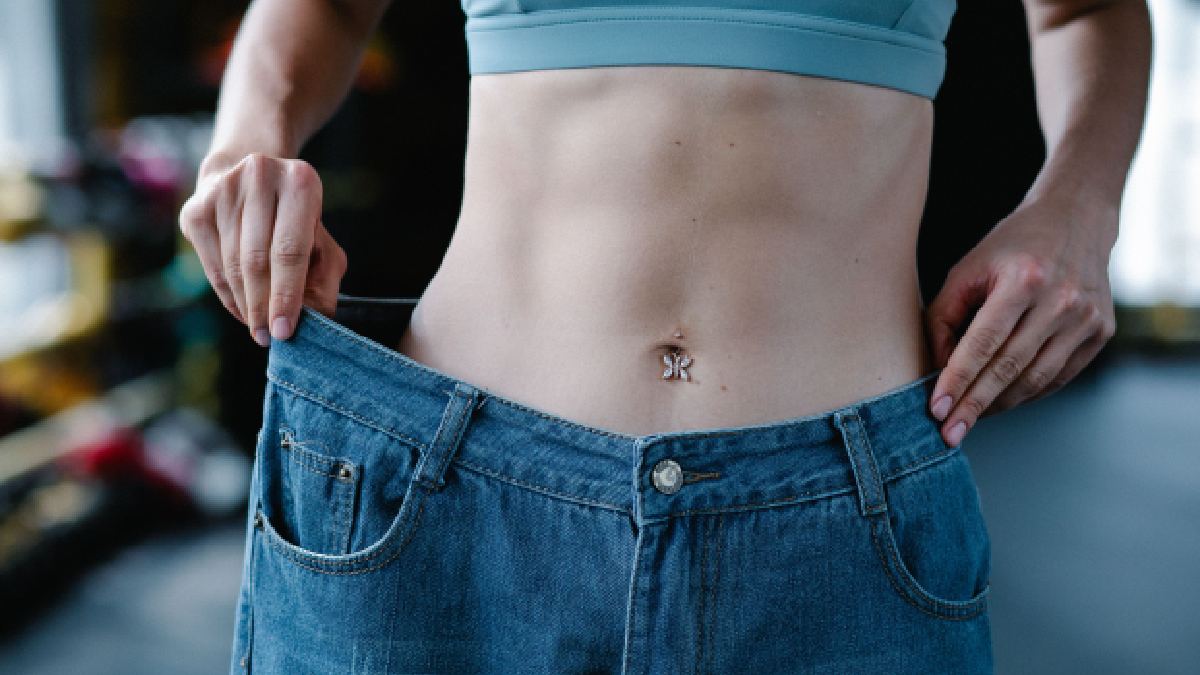
Why is it not always that losing weight is the same as losing fat?
When people start working on the fitness life plan, most of them are focused on “weight loss.” They’re on the scales every day, and for the same reason: They want a lower weight. But the number on the scale is not always indicative of the whole story.
What is the difference between fat loss and weight loss? I’m a very different person. I know that difference for sure. I’ll have a better fitness plan, I’m less prone to unhealthy habits and I’m a healthier body.
What Is Weight Loss?
What is weight loss all about? Just reduce the total amount of weight.
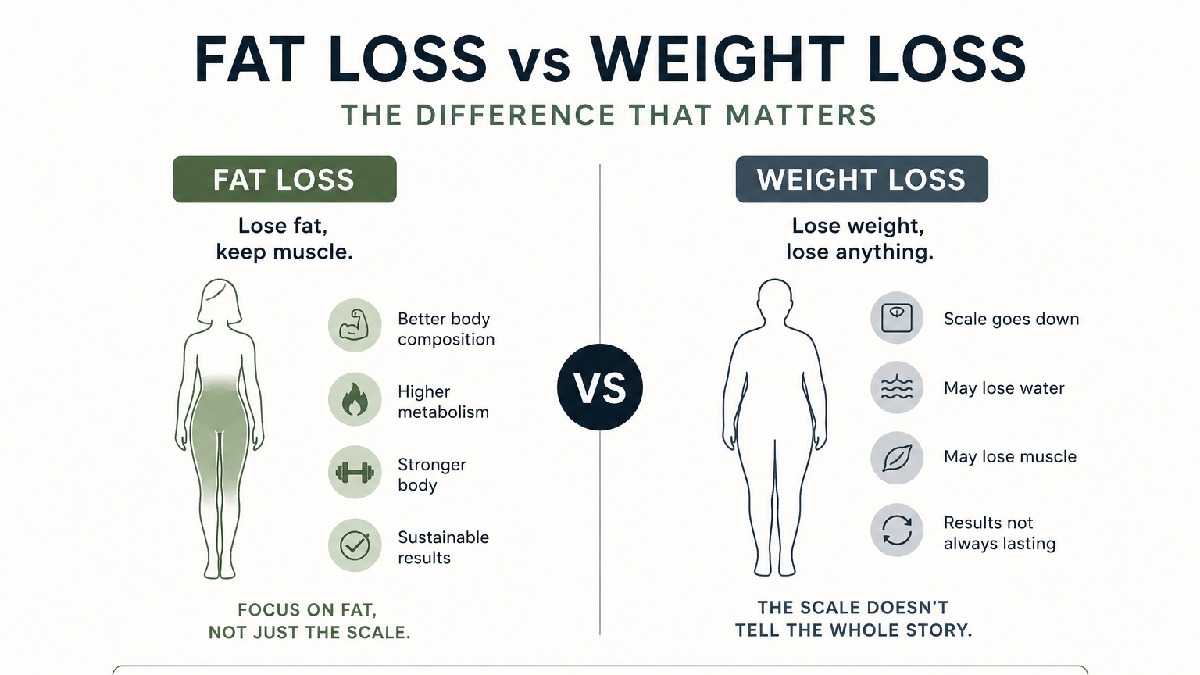
That weight includes everything that contributes to your body mass:
Body fat. Muscle. Water. Stored carbohydrates. Other body tissues.
If someone is losing weight quickly it is not necessarily because they are losing fat. In most cases, quick weight loss is achieved by losing water weight or even muscle mass.
For example, someone may lose several kilograms after an extreme diet, but much of that weight loss will not be fat.
What Is Fat Loss?
Fat loss is the reduction of stored body fat while preserving as much muscle as possible.
This is most people’s goal of course in the end and usually this is the ideal goal in order to become a healthier body and have a stronger body with a more toned physique.
Fat loss occurs when stored fat is used as an energy source. Good nutrition, strength training, exercise and consistency should be done.
Why Fat Loss Is Better Than Just Losing Weight
Most people look at the scale and not at the body composition and body composition matters more than weight alone.
A person can lose weight and still have a very high body fat percentage if they lose muscle along the way. Fat loss and muscle gain in the same way will only change little on the scale, but they are transformed in their appearance and fitness.
Successful fat loss can lead to:
Better muscle definition. Better strength. Higher metabolism. More sustainable results. Better overall fitness.
-
Common Mistakes People Make When Trying to Lose Fat
1. Following Extreme Diets
Very low-calorie diets can lead to weight loss fast and yet lead to muscle loss, low energy levels and unsustainable results.
As a long term fat loss strategy a balanced diet should be followed.
2. Doing Only Cardio
Cardio exercises are useful for burning calories but only cardio exercises can’t achieve the body transformation people want.
Strength training helps maintain and develop muscle and supports a healthier metabolism and better body composition.
3. Ignoring Protein Intake
Protein is vital for muscle repair and recovery. Eating enough protein while losing fat will help protect muscle mass.
Good protein sources include:
Eggs. Fish. Lean meats. Beans. Lentils. Dairy products. Nuts and seeds.
4. Checking Only the Scale
The scale cannot show everything happening inside your body.
Better ways to track progress include:
Body measurements. Progress photos. Strength improvements. How clothes fit. Energy levels.
How to Focus on Fat Loss the Right Way
To have a healthy and sustainable fat loss:
Maintain a moderate calorie deficit. Get enough protein. Be active all day. Care about sleep and recovery. Keep it consistent over time.
The goal is not only to be lighter; it is to be healthier and stronger.
Fat Loss vs Weight Loss: Which Goal Should You Choose?
If your goal is better health from a physical point of view, better looks and better fitness in the long run, then fat loss is better.
A lower number on the scale can feel good but it is a better foundation for health and performance that is low body fat and building muscle.
Final Thoughts: The Scale Does Not Tell the Whole Story
Although the words weight loss and fat loss are often used interchangeably, they are two very different processes. Rapid weight loss does not automatically mean better health.
Such change takes place when body fat is reduced, muscle mass is retained and long-term habits are maintained.
Don’t just aim to weigh less, aim to be healthier, stronger and fitter.