Dandruff is one of the most common scalp concerns for men and women throughout the year. Whether it's summer, monsoon, or winter, flaky skin on the scalp causes a lot of itching, irritation, and even hair fall.
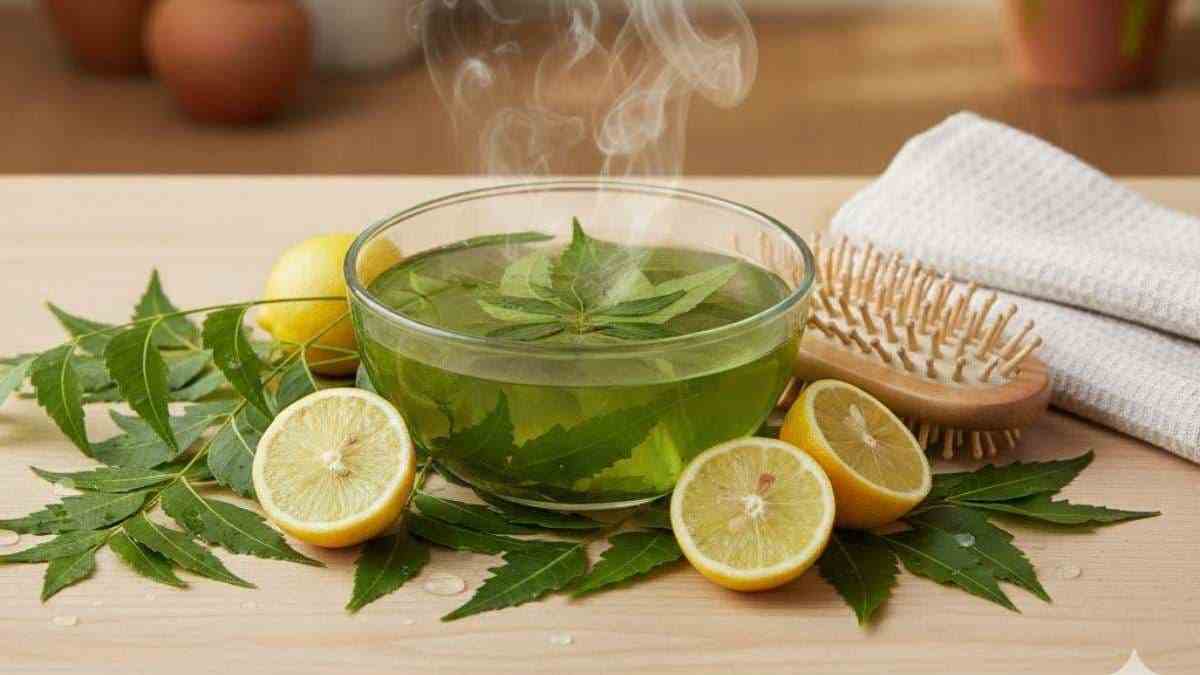
Dandruff is commonly associated with the overgrowth of a naturally occurring yeast called Malassezia, which feeds on the scalp’s natural oils (sebum). This process can cause inflammation, flaking, and itching. Medicated shampoos are still the standard treatment for persistent dandruff, but home remedies like fenugreek (methi) paste and neem water can help soothe mild dandruff symptoms when applied in conjunction with a proper hair care routine.
Benefits of Fenugreek Paste
Fenugreek seeds are rich in proteins, antioxidants, and natural compounds that can help moisturise the scalp and reduce dryness.
Some potential benefits include:
- Helps relieve an itchy and irritated scalp.
- May reduce visible flakes caused by dryness.
- Conditions the hair naturally, making it softer and smoother.
- Contains nutrients that may support stronger hair and reduce breakage.
How to Prepare Fenugreek Paste
- Soak 2-3 tablespoons of fenugreek seeds overnight.
- Grind the soaked seeds into a smooth paste.
- Apply the paste evenly to the scalp and hair roots.
- Leave it on for 20–30 minutes.
- Rinse with lukewarm water and mild shampoo.
Benefits of Neem Water
Neem is well known for its natural antimicrobial and anti-inflammatory properties. It may help maintain scalp hygiene and reduce irritation.
Potential benefits include:
- Helps cleanse the scalp.
- May reduce itching associated with dandruff.
- Supports a healthier scalp environment.
- Leaves the scalp feeling refreshed after washing.
How to make Neem Water
- Boil a few fresh neem leaves in 2-3 cups of water for 10 minutes or so.
- Allow the water to cool completely.
- Strain the liquid.
- After shampooing, use the neem water as a final hair rinse.
- Do not rinse it off immediately; let it dry naturally.
Can You Use Both Together?
Yes. For many people with mild dandruff, using fenugreek paste once a week followed by a neem water rinse may help keep the scalp cleaner and more comfortable. However, results vary from person to person, and these remedies are not a substitute for medical treatment if dandruff is severe or persistent.
Additional Hair Care Tips
Wash your hair regularly with a gentle or anti-dandruff shampoo if you want to use it and get rid of dandruff. Avoid scratching your scalp, as it can worsen irritation. Keep combs, towels, and pillowcases clean. Eat a balanced diet rich in protein, iron, zinc, and vitamins. Stay hydrated and manage stress, as stress can sometimes aggravate scalp conditions. When to see a doctor?
If dandruff persists for several weeks despite home care, or if you experience severe redness, pain, swelling, or excessive hair loss, consult a dermatologist. You may have another scalp condition, such as seborrheic dermatitis, psoriasis, or a fungal infection, that requires medical treatment.
With consistent scalp care and the right treatment approach, dandruff can often be managed effectively, helping you maintain healthier hair and a more comfortable scalp.