Heart disease is still one of the world’s deadliest health threats, accounting for nearly 32% of all deaths globally, according to the World Health Organization (WHO).
The numbers show the growing burden of cardiovascular diseases and drive home the need to adopt healthier lifestyles to reduce the risk of dying from cardiovascular diseases.
Cardiovascular diseases (CVDs) are diseases affecting the heart and blood vessels heart attacks, strokes, coronary artery disease, heart failure and many others. Despite advances in medical care, these diseases still take millions of lives each year, with most of them occurring before the age of 70.
Most premature deaths due to heart disease are preventable, the WHO says. By addressing risk factors and promoting routine health check-ups, people can greatly reduce their risk of developing serious cardiovascular problems.
Lifestyle Choices are a major factor
Medical experts say modern lifestyles have contributed to the steady rise in heart-related illnesses. Diets high in processed foods, sugar, salt and unhealthy fats, and minimal physical activity have led to increased obesity, diabetes and high cholesterol the three main contributors to cardiovascular disease.
Smoking is still one of the most harmful habits to the heart and excessive alcohol consumption is also one of the factors that are linked with high blood pressure and heart complications. Long-term stress, poor sleep quality and environmental factors like air pollution have also been linked to heart disease.
What are the WHO’s Recommendations for Better Heart Health
The WHO calls on people to make simple but effective lifestyle changes that can make an impact for years to come in cardiovascular health.
Eating a healthy diet with fruits and vegetables, whole grains, legumes and lean proteins. Controlling salt, sugar, saturated fats and trans fats. Going to work out and doing some moderate exercise for at least 150 minutes every week.
Avoiding tobacco in all forms and limiting alcohol intake. Monitoring blood pressure, cholesterol, and blood sugar regularly. Managing stress through relaxation techniques, meditation, or yoga. Getting enough hours of sleep every night.
Health care professionals also stress that routine medical screenings are extremely important for those who have a family history of heart disease or already have diabetes or hypertension.
Recognising Early Warning Signs
And while heart disease can develop slowly, there might be warning signs that need immediate medical attention.
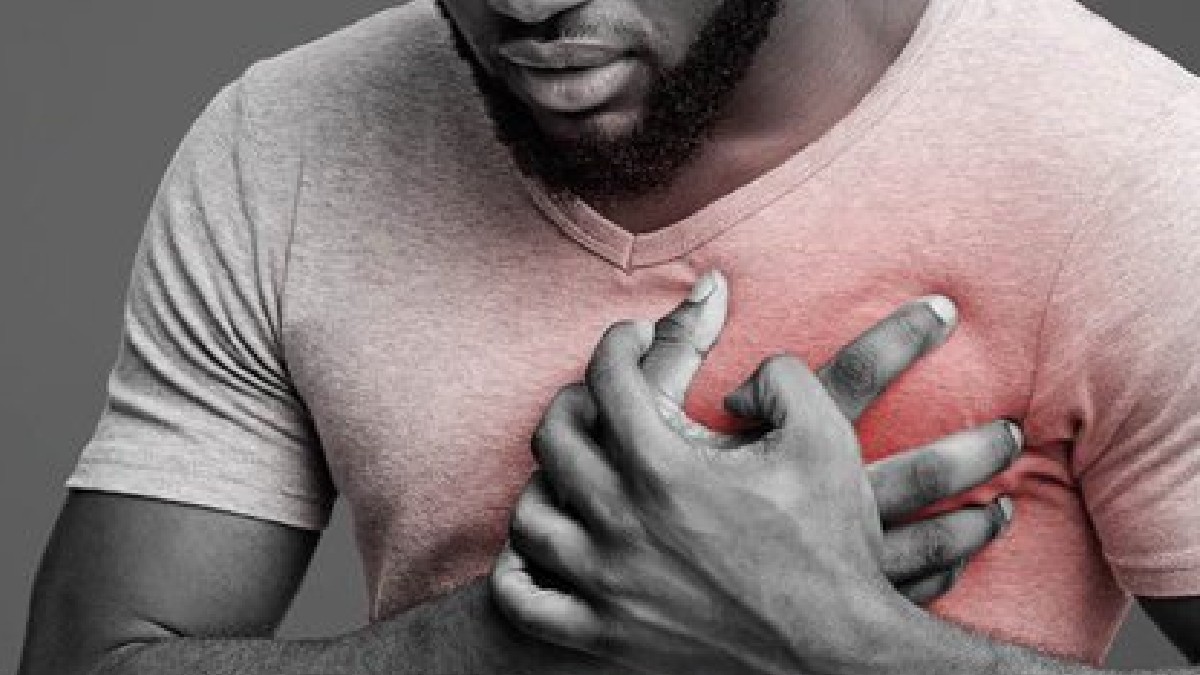
Chest pain or pressure, shortness of breath, pain spreading to the arm, neck, jaw or back, dizziness, sudden weakness and unexplained fatigue should never be ignored. Early detection and timely treatment can greatly improve survival rates.
Prevention is the best protection
The WHO is calling on governments, health care providers and communities to step up awareness efforts and preventive care as cardiovascular diseases continue to be an enormous burden on healthcare systems worldwide.
Even now, it has been admitted that healthier habits can significantly decrease the risk of heart disease in the future.
But heart disease has been the most common cause of death worldwide and, while informed choices, regular health checks and a healthy lifestyle are all important for heart health and overall well-being.