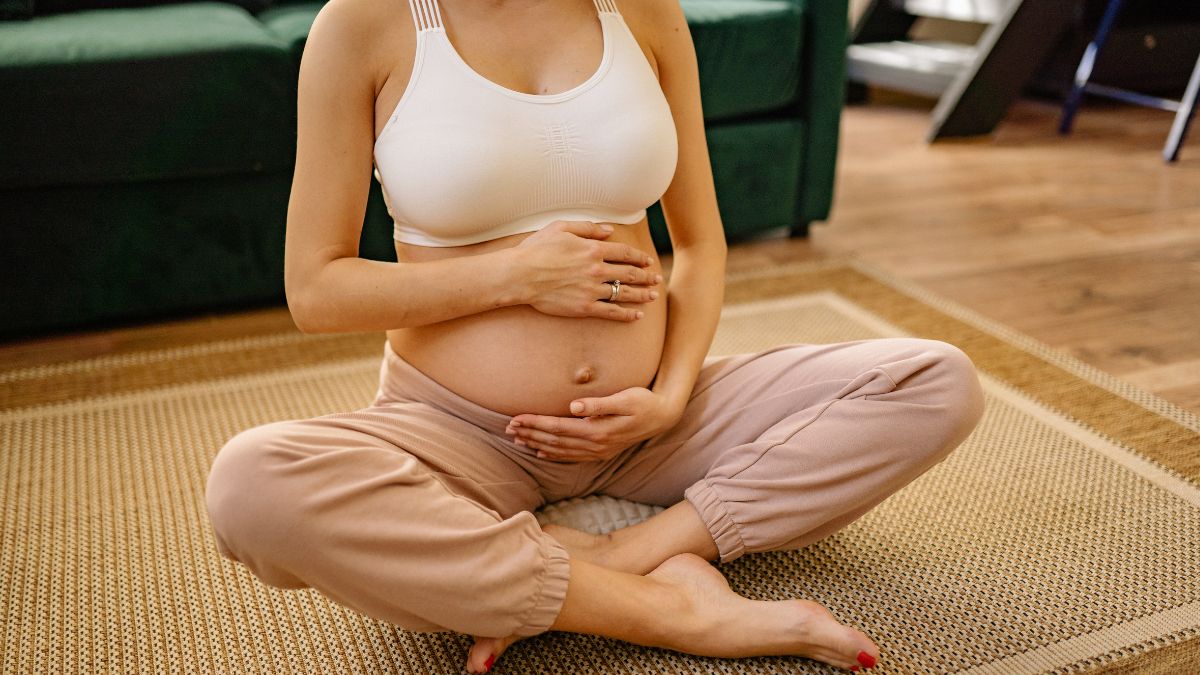
There is already a belief that exercise is a good thing for health and doing it is a good thing for overall good health, and an active pregnancy is good for the health of a lot of women with uncomplicated pregnancies. But every pregnancy is different, and a woman should discuss exercise with her doctor or other maternity care provider during pregnancy and why people should go to the gym regularly before starting or changing a workout with her/him.
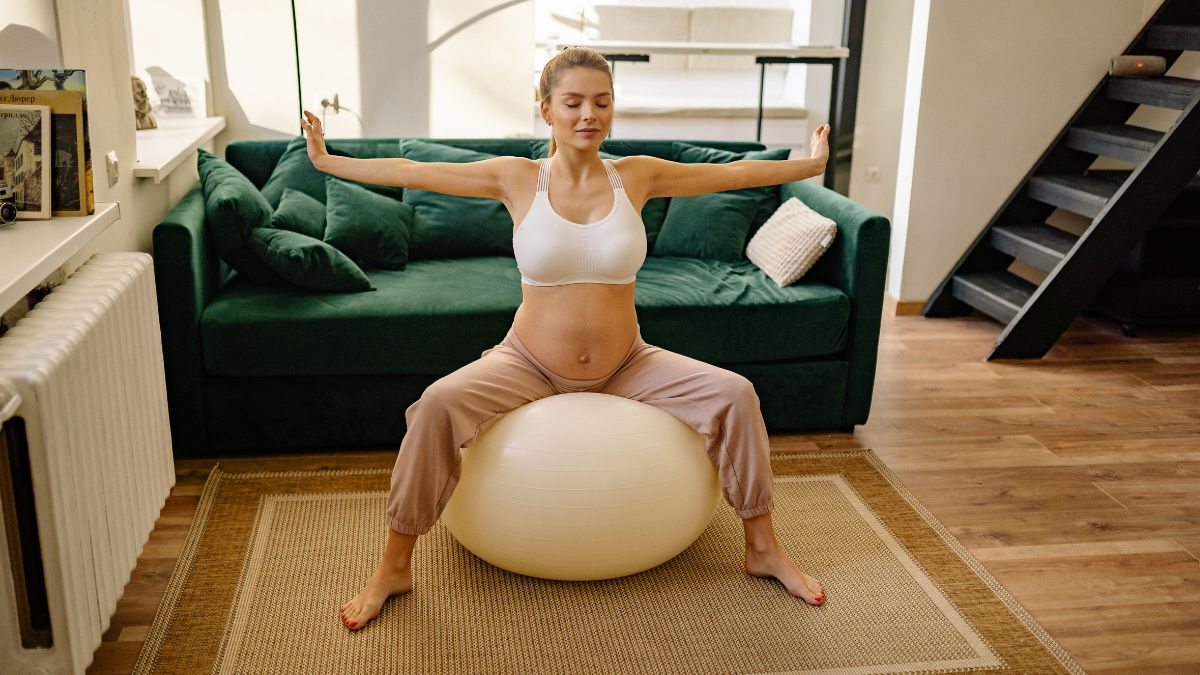
Moderate physical activity for most healthy pregnant women is safe and beneficial. Prior to pregnancy, the consensus is to do 150 minutes of moderate-intensity aerobic activity a week and exercise throughout the week. This does not mean you should do long workouts all at once even a little bit of exercise is beneficial. If you have done nothing before pregnancy, start small and build your workout slowly and naturally.
Walking, Swimming, and Prenatal Yoga
Walking is one of the ways to stay active in pregnancy. Swimming with water can also be enjoyable as the body’s heavy weight will be supported by the water. Modified prenatal yoga can be good for flexibility, relaxation, stretching, and stress management.
Pregnancy strength training is safe and can be modified as needed. Light weights and resistance bands or other types of resistance exercises will help muscle strength to be maintained. The type and intensity of exercise should be right for your weight and pregnancy.
Exercise Can Support a Healthier Pregnancy
Regular physical activity can help increase overall fitness and support weight gain during pregnancy. It may also lower unwanted pregnancy complications (e.g., gestational diabetes and hypertensive disorders) and decrease the likelihood of cesarean birth in some instances. Exercise can also help reduce back pain and constipation and improve emotional well-being.

Staying active can also help prepare your body for the physical demands of labor. If you are strong and cardiovascularly fit, you can adapt to the changes in pregnancy and will be able to recover after childbirth.
Listen to Your Body
Pregnancy exercises shouldn’t make you tired or overheated. Drink fluids, warm up before exercise, cool down after exercise, and avoid heavy exercise in very hot conditions. A general rule of thumb is that you should be able to have a conversation while exercising; if you get unusually breathless, slow down.
Some activities may have to be avoided because of the risk of falling, abdominal impact, overheating, or other injury. Contact sports, activities that are high in risk of falling, scuba diving, hot yoga, and some exercises involving prolonged periods lying flat on your back may not be appropriate during pregnancy.
If you start exercising and see signs such as vaginal bleeding, fluid leakage, chest pain, dizziness, severe shortness of breath, painful regular contractions, or calf pain or swelling, stop exercising and contact your healthcare provider.
For many women, exercise is an important part of a healthy pregnancy. Walking, swimming, modified yoga, and strength training can help in physical fitness and health during pregnancy if properly instructed, hydrated, and with good attention to your body’s signals.
The information provided in this article is general and is not a substitute for individualized medical advice. Women with medical or pregnancy-related complications should receive personalized guidance from their healthcare professional prior to exercising.