The death toll from the devastating earthquake that struck Venezuela has risen to 5,069 making it one of the country’s deadliest natural disasters in recent years.
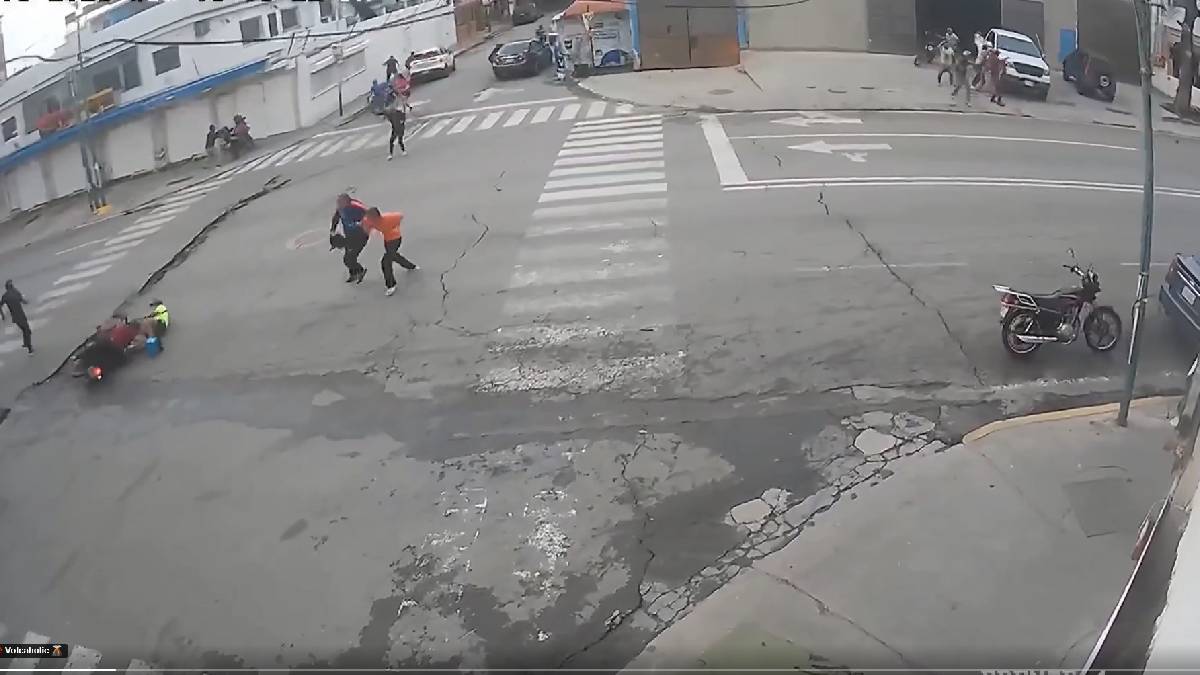
Rescuers are still trying to determine how many people have died in the country after ransacking collapsed buildings and isolated parts of the country.
Emergency response agencies have been working around the clock to rescue those trapped to death in rubble. More than 5,000 rescue workers, firefighters, military personnel and volunteers have been put on duty in most of the worst-hit areas. Heavy machinery and search dogs are also being deployed to search for any people still in collapsed buildings, and there are still people alive in collapsed structures.
Government officials said thousands of people have been injured, and many others are missing. Hospitals in several affected areas are at capacity as medical teams reach out to the survivors in a rush as emergency teams treat survivors. Temporary field hospitals have also been set up to accommodate the growing number of patients.
The earthquake caused widespread destruction to homes, schools, hospitals, roads and public infrastructure. Residential neighborhoods in some areas have been virtually destroyed and tens of thousands of families are homeless. Electrical, water supply and communication systems have been halted in other areas.
🇻🇪 Venezuela’s earthquake has turned into a heartbreaking humanitarian disaster.
— Mario Nawfal (@MarioNawfal) July 18, 2026
4,930 confirmed dead.
16,740 injured.
Over 50,000 are still missing.
Nearly 18,000 homes destroyed.
128,000+ families desperate for aid.
21,000+ survivors living in temporary camps.
Behind every…
Emergency shelters have been opened to shelter displaced residents. Food assistance in the affected areas is being offered to people who can’t find food, drinking water, blankets, medicines and other essential goods to the displaced people. But tough terrain and damaged transportation routes have hampered relief efforts in some remote areas.
Local NGO/humanitarian organizations and a number of countries have also supported Venezuela with search and rescue services, medical teams, emergency supplies and financial assistance to the victims. The international community has rallied around the victims and has called for continued support for relief and recovery efforts.
Seismologists monitoring the region for aftershocks are also monitoring the area for more aftershocks and more shaking is expected and more tremors are expected to occur and even more serious damage to damaged buildings and rescue teams. Residents, or even those who live and work in the affected areas will need to be on the lookout for more and take official safety precautions and be prepared to be vigilant and follow the official safety precautions until the area is safe, the experts say.
The earthquake reminds us that earthquake-resistant infrastructure and emergency preparedness must be put in place in disaster-prone areas. Building standards are being strengthened, early warning systems and public awareness of the danger of earthquakes will also be strengthened, which will reduce the number of casualties in future earthquakes.
As rescue work continues, we’re still going to search for survivors, we’re going to provide medical care in a timely manner, we’re going to provide necessary services and we’re going to try to help families who have lost loved ones. Recovery and reconstruction will take months or years, given the disaster’s devastating effects.
Venezuela is grieving thousands of people as communities unite to help those affected. Humanitarian agencies are still asking for international aid as the country goes through the process of rebuilding.