Eight people have been killed, and 12 others have been injured so far, as incessant heavy rainfall has triggered several landslides in Nagaland’s Mon district, officials said. The disaster has caused widespread devastation in the region, damaging homes, roads, and critical infrastructure while disrupting the lives of many villagers.
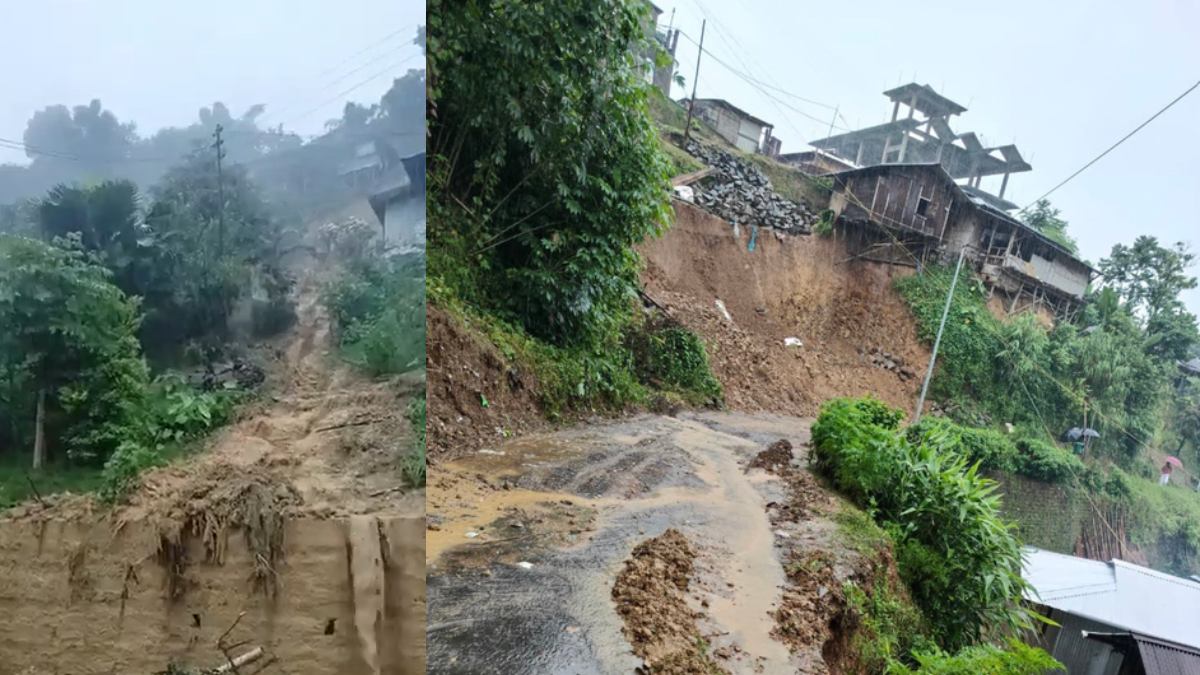
Local authorities said continuous rainfall in the mountainous region had saturated the soil and caused a number of landslides to hit residential areas and key roads. Mud, rocks, and fallen trees collapsed on the surrounding slopes, so many houses were buried under debris.
When news about the accidents came in, emergency services teams rushed to the affected areas. Local volunteers, district administration, State Disaster Response Force (SDRF), police, and others carried out massive search and rescue operations to look for people buried under the rubble. Some of the injured were taken to hospitals and medical facilities, where they were treated for serious injuries.
The death toll rose to eight, and 12 others were wounded in different ways, the officials said. Rescue workers are worried that the number of casualties could increase as they clear the rubble from the ground and reach remote areas of the region affected by the landslides, they say.
Landslides have severely damaged the transportation and communication systems in Mon district. Most roads have been blocked by fallen rocks and mudslides, and rescue teams and relief materials have been unable to reach the worst-affected areas. Heavy machinery is being used to clear roads and restore connectivity as quickly as possible.
State authorities have been advising residents living in vulnerable hillside areas to stay alert and move to safer locations if necessary. The district is still unstable with the possibility of more landslides and flooding. Disaster management officials are closely monitoring the situation and working with meteorological agencies for updated forecasts.
The Nagaland government offered sympathy to the families of the victims and promised to assist the affected people. Relief camps and emergency shelters have been set up in some places to help displaced people. Food, drinking water, medicines, and other basic supplies are being provided to those affected.
The Mon district in eastern Nagaland is rocky and mountainous and very prone to landslides during heavy rains. Monsoon rains are part of the monsoon season, and community life, lives and property are severely affected every year due to landslides and are always disrupted during this season.
Researchers have said the long-term rainfall weakens hill slopes and puts slope failures at higher risk in fragile geological areas. The latest disaster underlines once again the need for better disaster preparedness, slope stabilisation, and early warning in landslide areas.
Rescue and relief are continuing on an all-out war footing. So far, the damage has been assessed, and families are referred to the authorities to respond. Local teams and people are also helping rescue and displaced residents.
Nagaland is still dealing with the aftermath of this disaster; the focus is now on survival, the families affected, and preventing further casualties in the aftermath of the disaster.