
Hormones are critical in regulating many functions in the human body, from metabolism to mood, sleep and reproduction. When levels of hormone are too high or too low, the result can be what’s called hormonal imbalance and it affects both men and women across the globe.
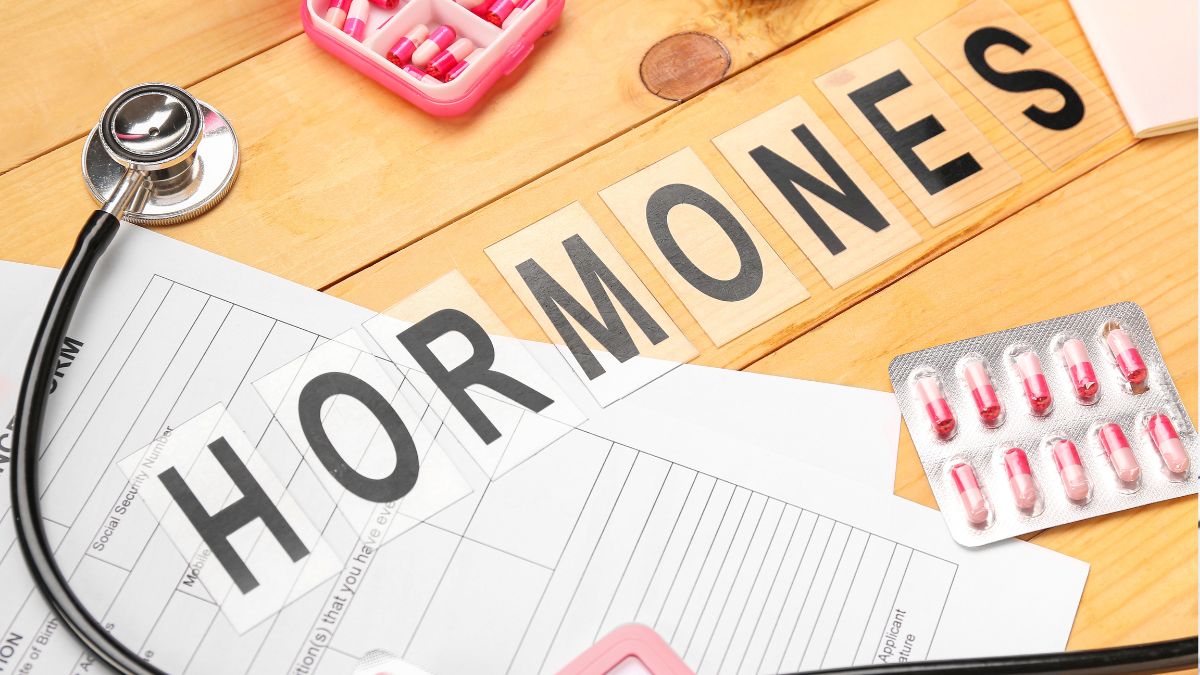
Glands of the Endocrine System make hormones and they control vital functions such as growth, energy level, stress and fertility. Knowing what to look for and what happens to your hormones can help you to prevent, modify or correct them.
What Is Hormonal Imbalance?
Hormonal imbalance is when there is a hormone in the blood or blood fluid too much or not enough. Any change that is subtle can have a very real effect on a large part of the body. Hormones, too, affect a great number of essential body processes:
- Metabolism.
- Mood and mental health.
- Sleep cycles.
- Reproductive health.
- Blood sugar levels.
- Energy and weight regulation.
If these hormones are knocked off, the body might begin to start exhibiting noticeable symptoms.
Common Causes of Hormonal Imbalance
Hormonal imbalances may result from a multitude of things, like lifestyle aspects of this life balance; medical conditions; natural stages of life etc.
1. Chronic Stress
Chronic stress raises cortisol levels, which disrupts other hormones, affecting sleep, weight and mood.
2. Poor Diet
More processed foods, extra sugar and unhealthy fats can interfere with hormone production and metabolism.
3. Lack of Sleep
And hormone regulation through sleep. Bad sleep habits can also harm the hormones involved in appetite, stress and metabolism.
4. Medical Conditions
Certain physical illnesses can cause hormonal imbalance:
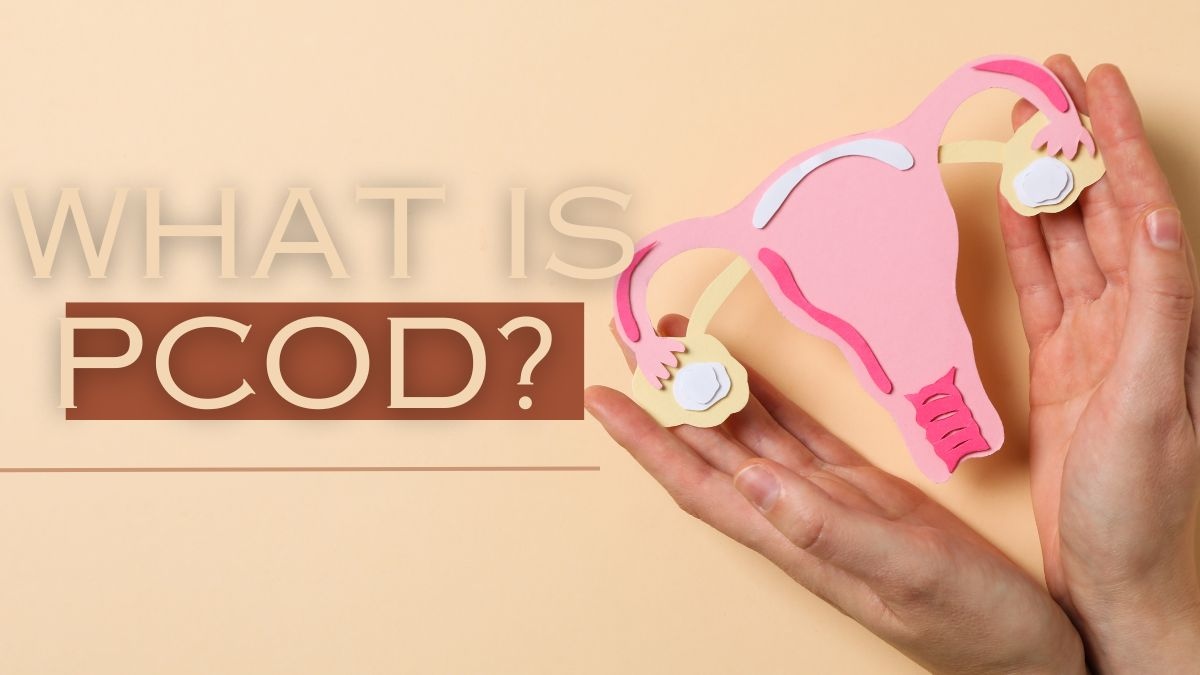
- Polycystic Ovary Syndrome.
- Hypothyroidism
- Diabetes Mellitus.
5. Natural Life Changes
The levels of hormones change naturally through puberty, pregnancy and aging.
Symptoms of Hormonal Imbalance
Symptoms vary according to the hormones involved, but some symptoms are common in both men and women.
Common Symptoms
- Persistent fatigue.
- Unexplained weight gain or difficulty losing weight.
- Worsening mood swings or irritability.
- Sleep disturbances.
- Low libido.
- Brain fog or difficulty concentrating. Digestive issues.
Symptoms More Common in Women
- Irregular menstrual cycles.
- Acne
- Hair thinning
- Fertility challenges
Symptoms More Common in Men
- Reduced muscle mass
- Low testosterone levels
- Decreased energy
- Erectile dysfunction
Easy Ways to Promote a Balanced Supply of Hormones
Although some patients might need to undergo medical treatment, lifestyle changes can be helpful in maintaining hormonal homeostasis. Keep a good diet. Vitamins in the body help in the making of hormones. Include:
- Whole grains and foods providing high amounts of fiber.
- Healthy fats such as nuts and seeds.
- Fresh vegetables and fruits. Lean protein sources.
Prioritize Quality Sleep
Aim for 7–8 hours of sleep each night in order to be able to stimulate the body to regulate hormones appropriately.
Manage Stress
Yoga, meditation, breathing exercises and other practices among others can mitigate stress and stabilize cortisol levels and calm down the body’s own cortisol.
Exercise Regularly
Moderate physical activity regulates insulin, cortisol and other hormones and helps to adjust normal physiological processes.
Maintain Gut Health
A healthy digestive system allows for metabolism of hormones and general well-being.
When to Seek Medical Advice
If symptoms of hormonal imbalance continue or worsen, that person should always consult a health professional. Blood tests and medical examination can indicate if hormones such as thyroid hormones, insulin, estrogen, progesterone or testosterone are out of balance. Early diagnosis, and then treatment, may prevent long-term health problems.
Conclusion. Men and women maintain hormonal balance for their health but they are no immune to hormonal imbalance. Modern man's lifestyle, personal stress, and dietary habits can alter hormone levels - resulting in a wide range of physical and psychological problems for both sexes. If they understand the causes and then develop healthier habits into their lives, those individuals can make real progress in their hormonal health and quality of life.










Comments
Leave a Comment