Curd gets watery during the Monsoon? How to Keep It Thick and Creamy?
Much of the Indian household is made of homemade curd, but during the rainy season, it becomes watery or cannot be properly set. If you have ever opened a bowl of curd during the rainy season and it had water on top, you’re not alone.
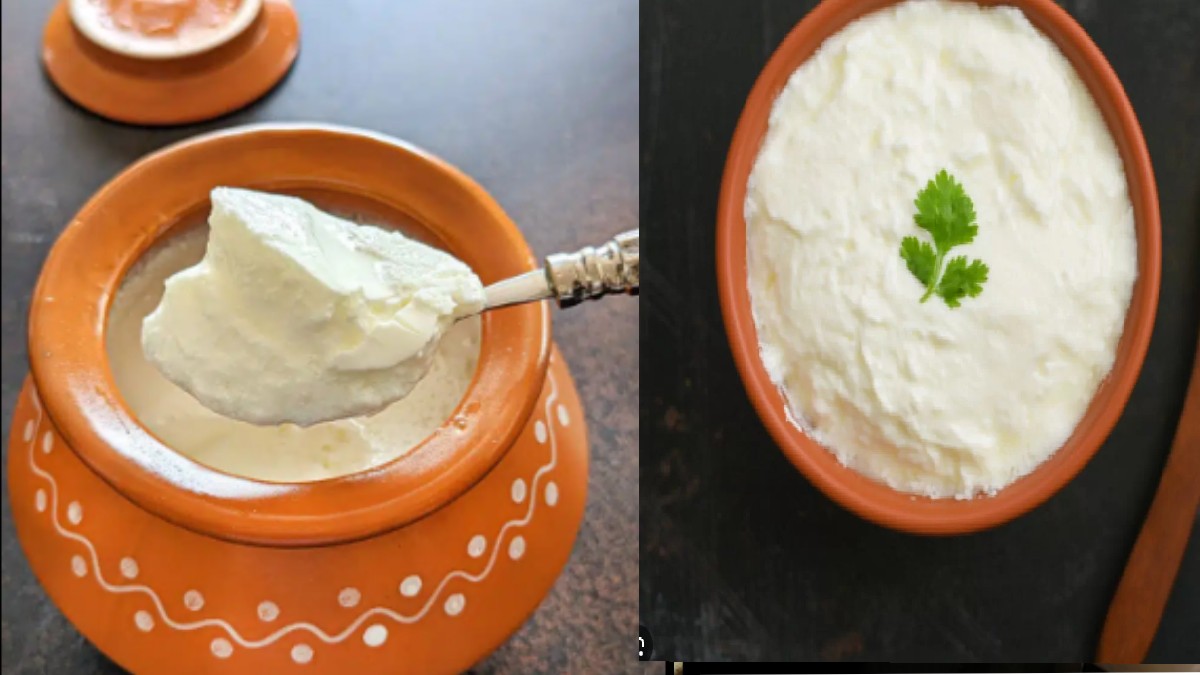
The good news is that a few basic kitchen practices can help you prepare thick, creamy curd even in humid weather.
Why does Curd release water?
The liquid that settles on top of curd is called whey. Whey is a natural by-product of curd making and is composed of proteins, calcium, and other nutrients. While a small amount of whey is perfectly normal, excessive water separation is often a product of environmental and food conditions or the preparation of curd.
During the monsoon, increased humidity and changing temperatures can interfere with fermentation, and the texture of the curd will change during the process.
How do I make thick curd in the rainy season?
Whole milk tends to produce thicker and creamier curd than low-fat or skimmed milk, in part due to the higher fat content.
1. How is the milk well boiled?
The milk must boil to a full boil, and we only let it boil for a few minutes. This will decrease the amount of water in the curd and make it more creamy.
2. Cool to the Right Temperature
To cook the milk, let the milk cool until it is warm (not hot) before adding the starter culture. If the milk is too hot too soon, the beneficial bacteria might be damaged. If the milk is too cold, fermentation will slow down.
3. Use Fresh Starter Curd.
When using fresh, good-quality curd as a starter, older or overly sour starter cultures may not produce the best results.
4. Cover and Keep It Undisturbed.
After mixing in the starter, we cover the container with a lid and place it in a warm, undisturbed spot. Do not move the container until the curd has fully set.
5. Don’t refrigerate Too Soon. Do not allow refrigerate too cold!
The curd should be kept completely at room temperature before it starts to ferment. If you refrigerate it too early, it will slow fermentation down.
6. Use Earthen Pots.
Clay or earthen pots absorb excess moisture naturally, helping produce firmer and thicker curd while also enhancing its flavour.
How do I prevent excessive separation of Whey proteins?
Once the curd is set:
- Don’t stir it so often.
- Keep it refrigerated quickly to slow down fermentation.
- Use a clean, dry spoon while serving.
- Keep the container covered to maintain freshness.
- Is Water on Top Safe to Consume?
Yes, the watery layer that is whey is safe and healthy. It has protein, calcium, potassium, and other good nutrients in it. You can even add it to the curd, but instead of throwing it away, you can add it back into the curd, use it to make smoothies, dough, soups, or buttermilk.
Health Benefits of Homemade Curd.
- Curd is a rich source of probiotics for gut health and digestion.
- Calcium, protein, phosphorus, vitamin B12, and other essential nutrients are also present.
- Regular consumption may help improve digestion, strengthen bones, and support overall health.
The Bottom Line
Monsoon humidity can make curd somewhat watery at times, but if the right techniques are used to keep the thick, creamy homemade curd in hand over the course of the year, we can still have thick homemade curd from the summer in the end. The best ways to have better results, of course, are to have full-fat milk, the right fermentation temperature, fresh starter culture, and for the curd to be left alone and not disturbed.
And so a little whey on top is good for your health, and it’s a natural source of nutrition. Rather than throwing it away, add it to your meals.