Kerala is one step closer to becoming "Keralam" after the Kerala (Alteration of Name) Bill, 2026 was passed. The bill was passed by Lok Sabha on August 11 and Rajya Sabha on August 12, completing the parliamentary stage of the proposed name change. But as of August 17, the final step of Presidential assent is still awaited, meaning the change should not yet be termed as legally complete.
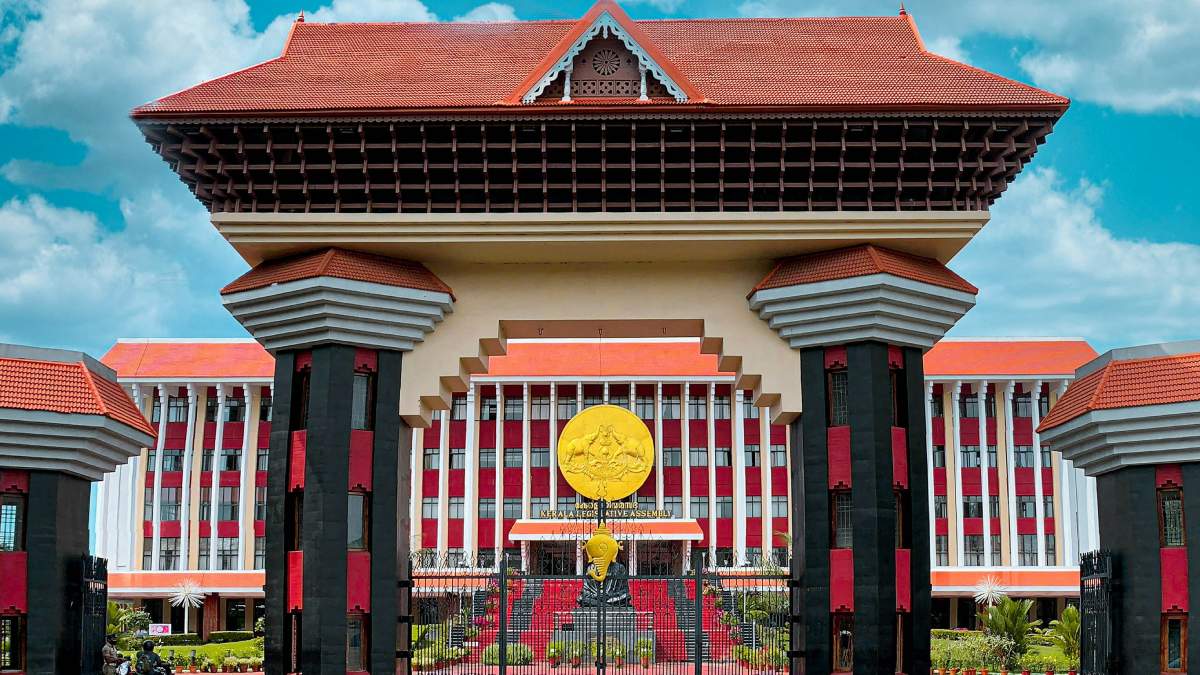
The proposed change is to replace "Kerala" with "Keralam" in the First Schedule of the Constitution. It is intended to merge the state’s official constitutional name with the name that is used in Malayalam. The Kerala Legislative Assembly supported the proposal and the Union Cabinet voted in February 2026 to approve the proposal.
It’s been a long process that has taken months from when the Kerala Assembly passed a resolution for the change in 2023. In June 2024, a second resolution was passed and technical changes to the earlier proposal were suggested by the Union government. In 2024, a resolution to the name change in the languages of the Eighth Schedule of the Constitution was made.
Why Kerala wants the name changed to Keralam?
The demand is largely of linguistic and cultural identity. "Keralam" is the name given to the state in Malayalam, while "Kerala" is the word that is used in English and other languages. If they were to officially recognise "Keralam," that would better reflect the linguistic heritage and the name of Kerala’s people.
The proposal is also in connection with Kerala's origin as a Malayalam-speaking state. Modern Kerala was formed on November 1, 1956, as part of India's linguistic reorganisation of states. Kerala was formed by merging some Malayalam-speaking parts of the former Travancore-Cochin state, Malabar, and Kasaragod. The state's formation is celebrated every year as Kerala Piravi.
The Kerala Assembly's resolutions also stated that the constitutional name should reflect the name that the state is known for in Malayalam. The Union Cabinet then approved the proposal in February 2026, which was the first step in the formal constitutional process of modifying the state name.
Under Article 3 of the Constitution, Parliament can change the name of an existing state. But there are two steps. First, the President makes a proposal for changing the name of a state (from the State Government) to the state legislature for its opinion. The state legislature has the opportunity to give its opinion, and Parliament is then able to carry out the legislation.
In this case, President Droupadi Murmu referred the proposed Bill to the Kerala Legislative Assembly in June 2026. The Assembly approved all 10 clauses of the Bill unanimously, with the ruling UDF, opposition LDF, and NDA members supporting the proposal.
It was then passed by Parliament. The Lok Sabha approved it on August 11 and the Rajya Sabha on August 12. Now that both Houses of Parliament have passed the bill, the proposal is now in its final constitutional stage.
What happens after Parliament's Approval?
The next step is Presidential assent. Once President Murmu has assented and the legislation is formally notified, the constitutional reference to the state would be changed from "Kerala" to "Keralam." Kerala is still the official legal name of the state until that happens.
The change would also eventually require updates in government records, official communications, maps, signage, and other administrative material. But the change wouldn’t necessarily mean that all references to "Kerala" disappear from public usage at once. Any current names of institutions, businesses, organisations, and geographical references could still use "Kerala," for example, depending on the legal or administrative status of people and entities.
The renaming that is being proposed is more than a simple change in spelling. It is an attempt to formally recognise the Malayalam identity of a state whose cultural and linguistic history is closely tied to the word "Keralam."
The development also shows how India’s Constitution gives states the option to change their names, but Parliament has ultimate authority over their names. The Kerala case has involved the state legislature, Union government, President, and Parliament at different stages of the process.
As of now, the proposed transition from "Kerala" to "Keralam" is at its final stage, but it is important to differentiate between Parliament passing the Bill and the change becoming legally effective. Once Presidential assent and notification are completed, the name "Keralam" can be put in the Constitution as the name of the state.
Until then, the state is officially known as "Kerala," and the country is awaiting the final step in a name-change process which began with the Kerala Assembly's resolutions and now reaches the highest constitutional level.