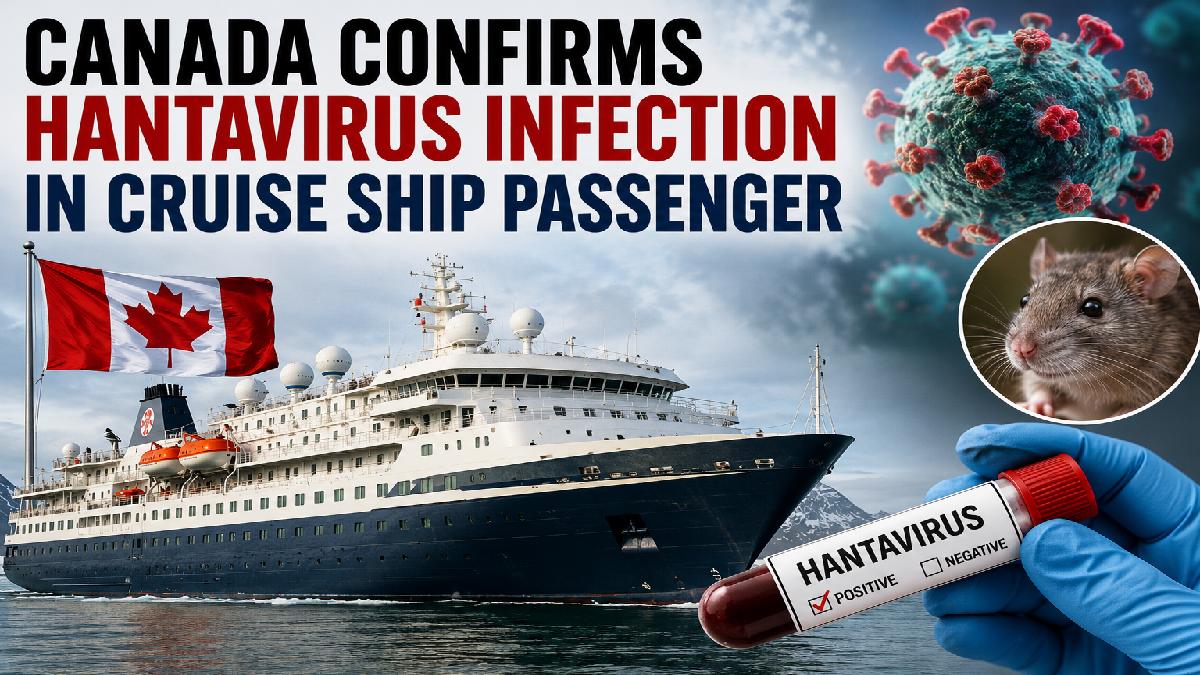
Health officials are on high alert after two cruise ship passengers were confirmed to be infected with the rare and alarming Andes hantavirus, the only strain of hantavirus known to be capable of human-to-human transmission. The episode has also reinvigorated concerns about infectious diseases travelling within enclosed spaces, such as on cruise ships.
What’s So Different About Andes Hantavirus?
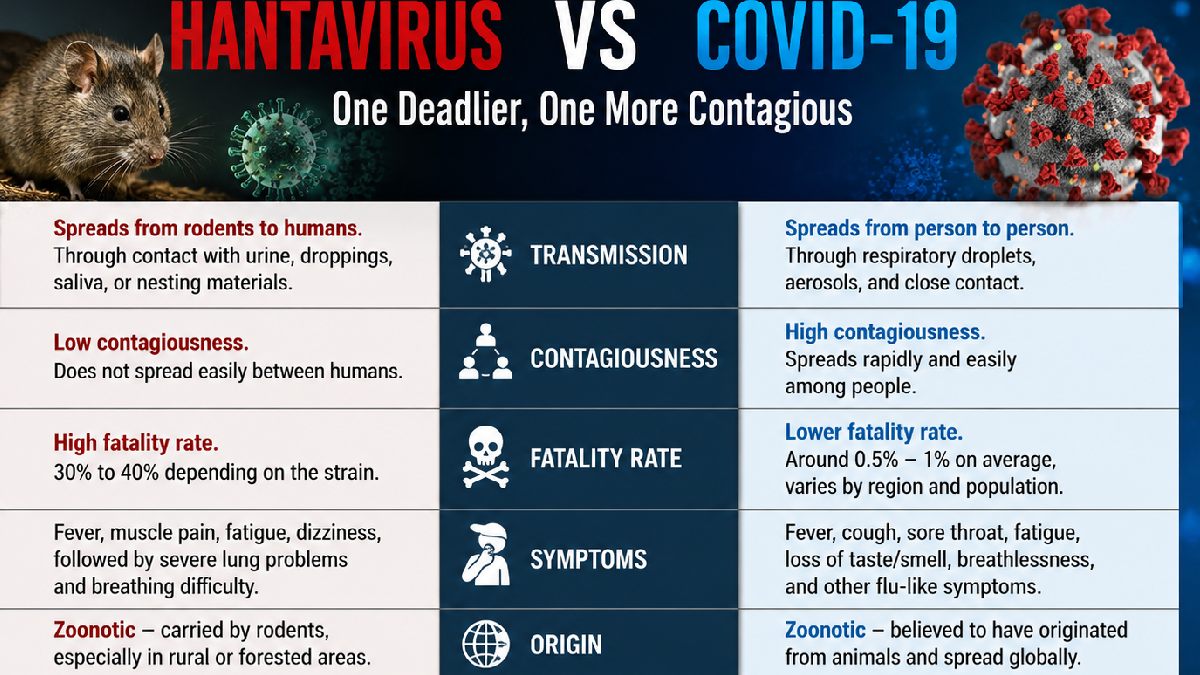
Most often, hantaviruses can be transmitted to humans through infected rodents when humans touch the rodents’ urine, droppings, or saliva. However, the Andes strain is unique in that it can be transmitted directly from person to person, which is practically unheard of among hantaviruses.
The characteristic of this type does make it much more dangerous to public health, especially for people packed together in crowded contexts where humans need to interact with each other.
Cases Reported on Cruise Ship
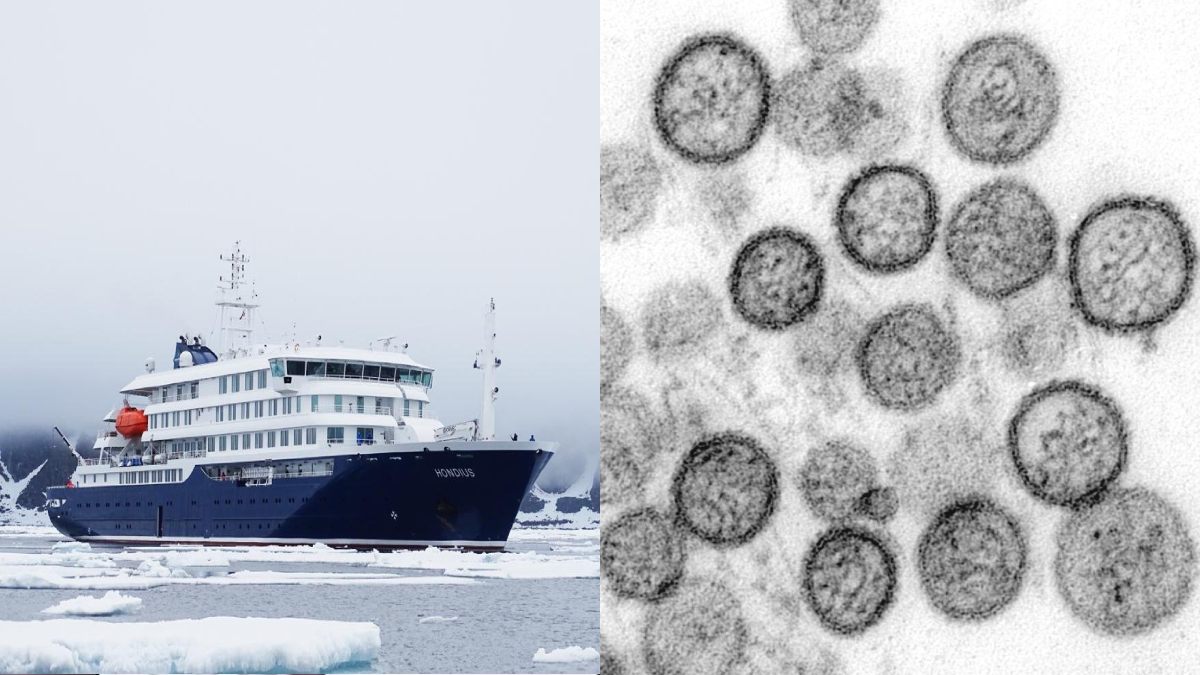
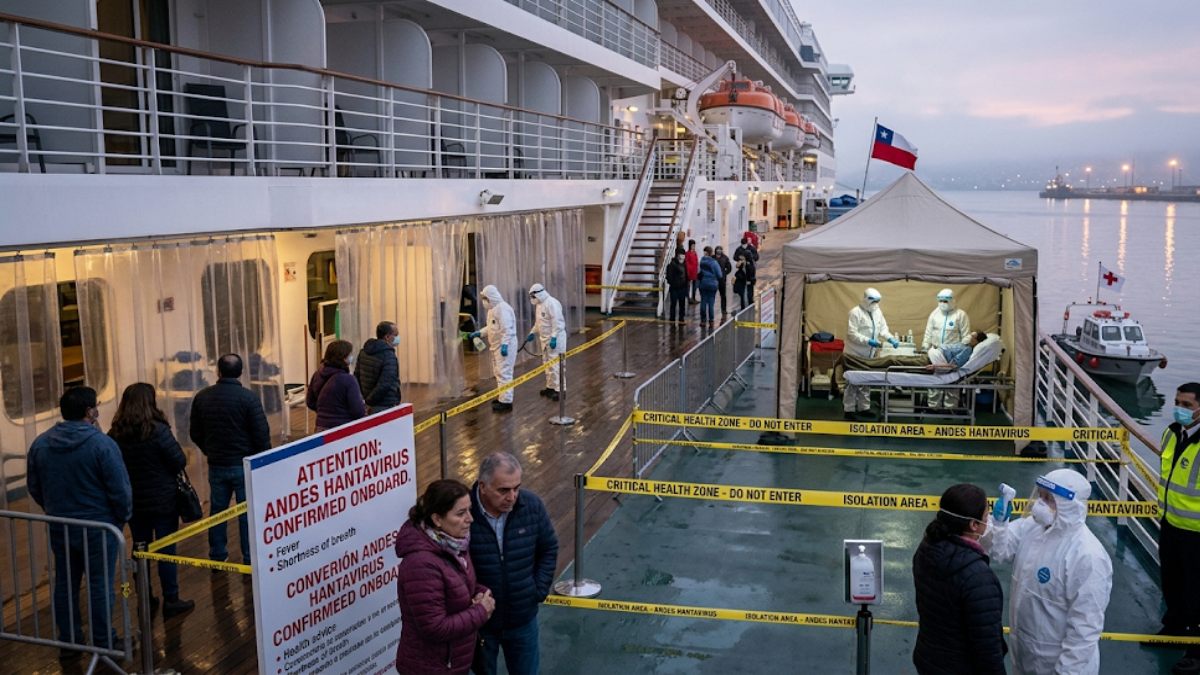
The two people infected, it is thought, were aboard the same cruise ship and should have been in close contact, and this raises the possibility of person-to-person transmission, early reports said. Health officials are now monitoring contacts and symptoms in other passengers and crew members.
The infected passengers have been separated and are currently receiving medical care. Further cases are pending confirmation, but precautionary actions have been intensified, authorities have said.
Symptoms and Severity
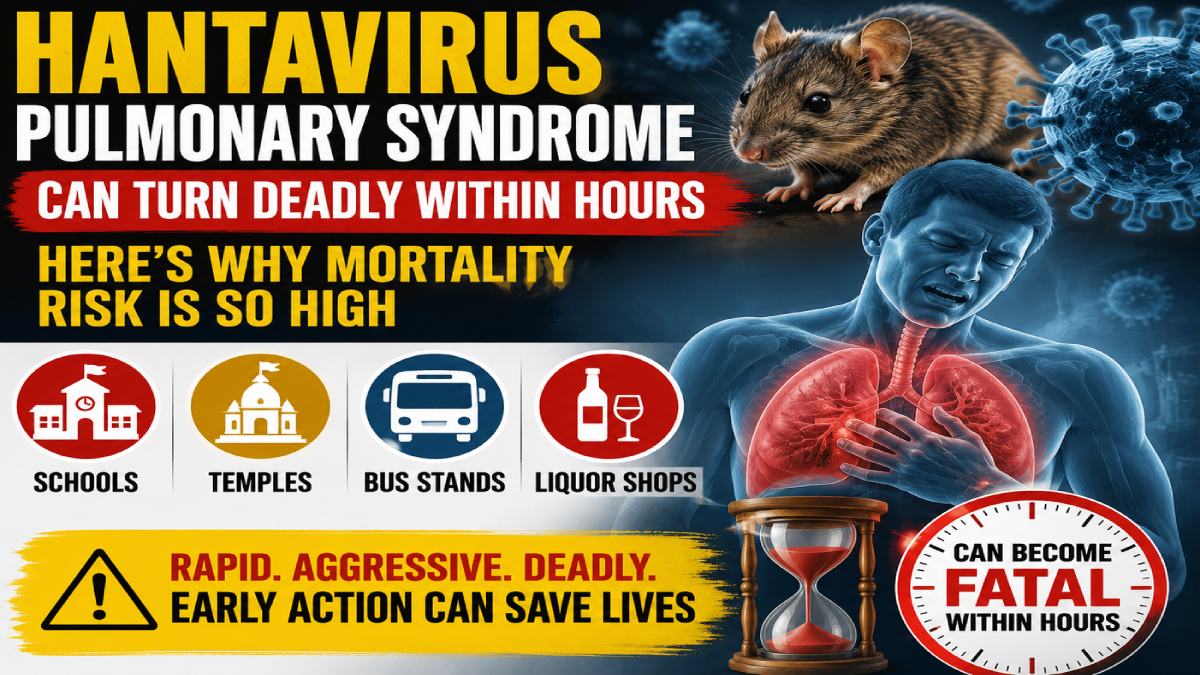
The Andes hantavirus can also cause a serious condition called Hantavirus Pulmonary Syndrome (HPS), which can affect the lungs and may threaten one’s life.
Common symptoms include:
- Fever and chills.
- Muscle aches.
- Headache and fatigue.
- Shortness of breath.
- Cough and chest tightness.
Severe cases of the infection frequently progress rapidly to respiratory failure. Why Are Cruise Ships High-Risk Environments? Cruise ships have historically been identified as high-risk venues for infectious disease outbreaks due to:
- Close living quarters.
- Co-existing dining and recreational spaces.
- High passenger turnover.
- Few on-board medical facilities.
In such settings, the enclosed space can tend to encourage the spread of contagious diseases because of limited space, especially the riskiest diseases to pass around people (e.g., contagious).
Measures and Reactions towards the Health
Strict containment measures were implemented by health authorities:
- Isolation of infected patients.
- Passengers and crew contact tracing.
- Better sanitation and hygiene measures.
- Symptomatic monitoring in all onboard individuals.
Passengers will be advised to report any symptoms of illness soon and follow health protocols issued by the medical teams onboard.
Global Implications
Infections caused by hantavirus among mobile, international populations are rare, and proven human-to-human transmission has made international health agencies keen to account for this. But the risk for the public is low as far as this point goes. However, early detection plus response is needed.
The evidence provided of cases of Andes hantavirus confirmed onboard a cruise ship is a fitting reminder of how quickly infectious diseases can spread in today's world, where we have become fully interconnected. To maintain control of the situation, longer-term observation, public awareness and adherence will be necessary.