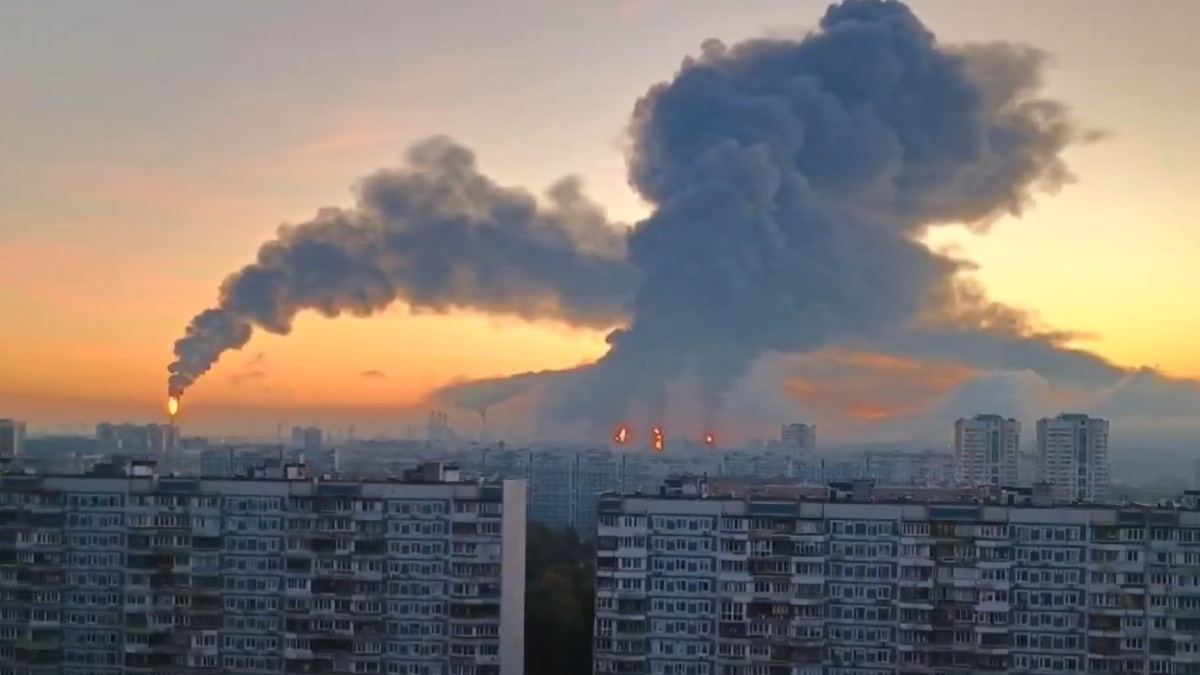
Prosperity and health risks. For centuries cooking and heating houses have been carried out on wood stoves. But wood stoves aren’t without their problems, both in terms of indoor air quality and health.
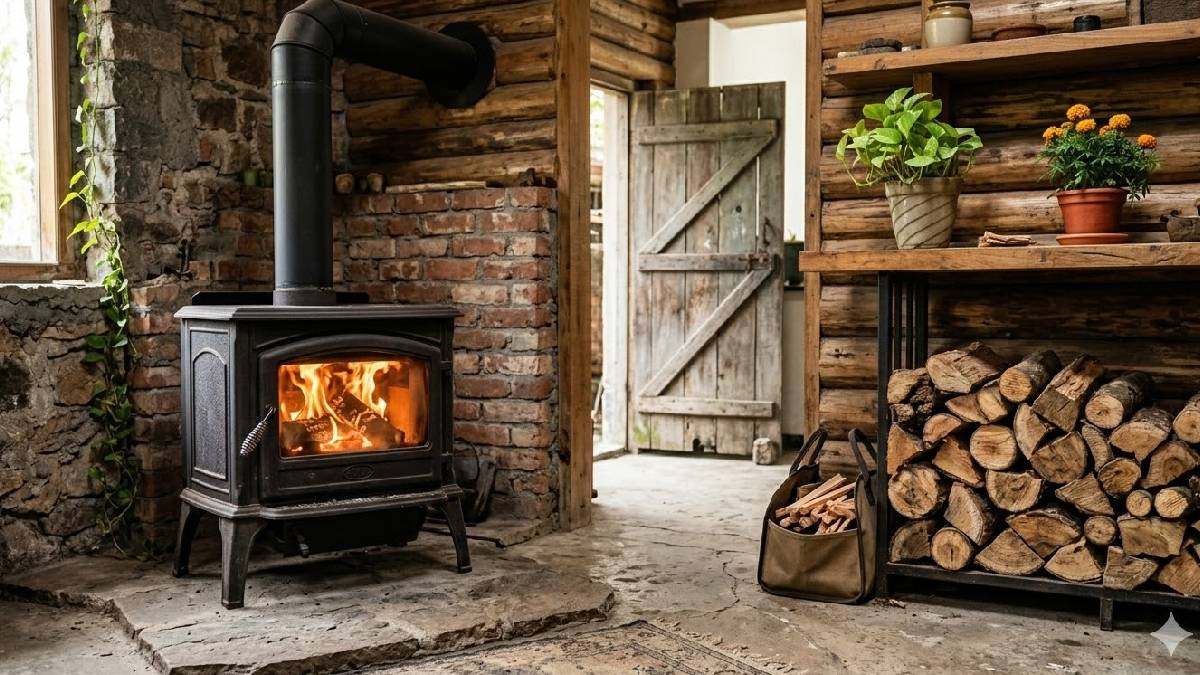
How a Wood Stove Works
Wood stoves in the U.S. primarily function as heating and cooking devices. A wood stove heats a room by directly combusting firewood to create heat that is needed for heating. Because when wood burns as a thermal fuel, it releases heat, smoke and gases. If the stove is ventilated adequately through a chimney, much of the smoke is spread outdoors. But pollutants can still enter indoor air.
Health Effects of Wood Smoke
Wood smoke is a combination of gases and small particles known as particulate matter (PM2.5). And those particles are tiny and when inhaled, they can be transported deep in the lungs. Wood smoke exposure can cause various health problems, the United States Environmental Protection Agency said.
Common health effects of wood smoke:
- Coughing and difficulty breathing
- Asthma attacks
- Eye, nose and throat irritation
- Bronchitis and other lung diseases
- Higher risk of heart and lung issues
Long‑term exposure to indoor wood smoke is also associated with Asthma and Chronic Obstructive Pulmonary Disease. Children, older people and those with ongoing lung disease are at the highest risk. Some studies suggest that even frequent use of indoor wood burning stoves for heating purposes as well as working indoors can degrade lung function over time — and the risk, potentially, is to damage the lungs as is the case when people smoke.
Environmental Impact
This not only affects health but also affects air pollution, especially when burning wood. The smoke from the wood emits pollutants such as carbon monoxide, nitrogen oxides and volatile organic compounds affecting both the indoor and outdoor air quality.

How to Readily Use a Wood Stove More Safely
If a wood stove is required:
- Use an effective chimney or ventilation system if you are going to have one.
- Use dry, well seasoned wood instead of wet.
- Do not burn plastic, treated wood or garbage.
- Keep the stove and chimney well maintained.
- Maintain open windows or good ventilation of the kitchen.
- The use of relatively clean‑burning stoves also reduces smoke emissions.
Wood stoves, then, are common and timeless, but not always the healthier bet for health in the heart of a place with poor air circulation. Though they can still be safely used, the appropriate ventilation system, the drying of the fuel and better technology are important issues given reduction in smoke exposure and preservation of health.