Respect starts small: why tone, boundaries, and emotional intelligence make strong families. The source of disrespect runs deep — through tone, sarcasm, or neglect. Learn pragmatic and emotionally smart strategies to help families begin to build respect, mental clarity, and healthier relationships.
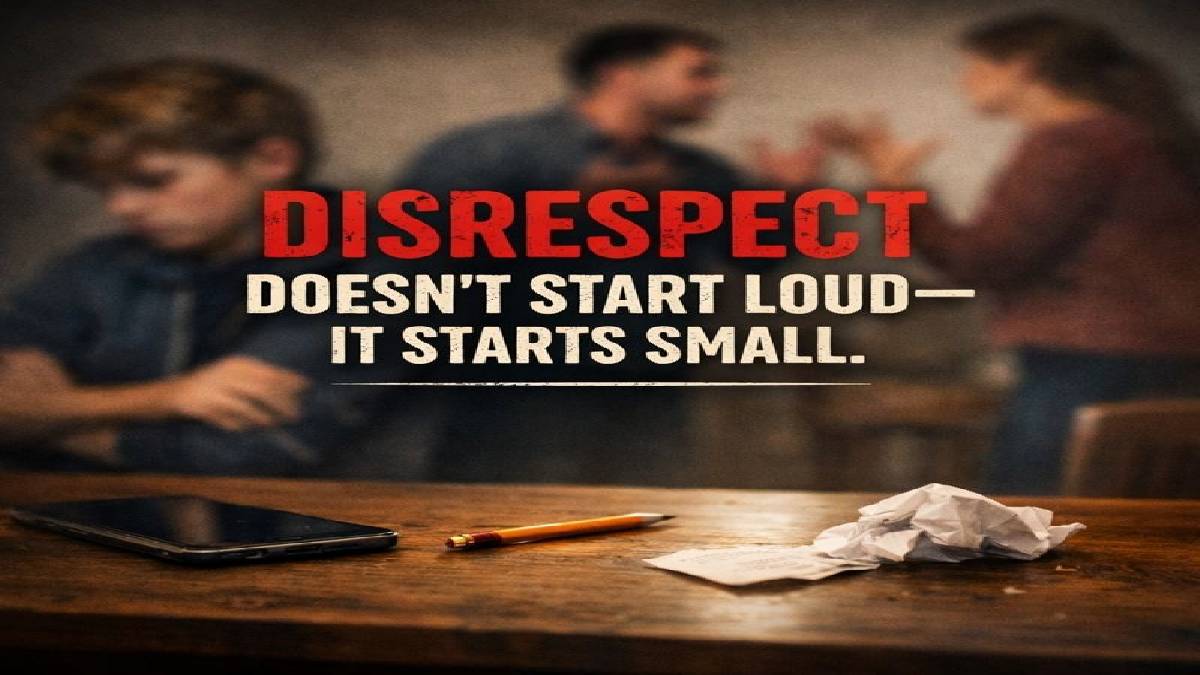
Many of us don’t even know it, but disrespect rarely begins loud. It starts small. A sharp tone. A mocking reply. A careless attitude. And while these behaviors may not be corrected when they occur, they gradually become normalized when maintained. Many will make some excuse by saying “They’re young — no need for the thing to worry about.” But normal is not the same as healthy. What you have acceptable at home silently informs the way a person behaves in other places.
What Respect Really Means
Respect is not about agreeing with older people or doing things automatically. It is having self-control when feelings are high. It is clarity of thinking in action. It is emotional maturity.
There are frequent misconceptions that respect only should be given when deserved. Basic respect, in fact, is not a reward — it is a standard. It is how you are able to communicate without stripping someone of their dignity.
Why Tone is Important for Self-Improvement
Tone reveals discipline. If someone is unable to control their tone in the home, for example, then they are likely to find difficulty controlling it:
- at work
- in relationships
- under pressure
The lack of regulation is corrosive to confidence, productivity and emotional wellbeing as it erodes slowly.
Real-life Family Techniques for Real Families to Keep In Mind
Pause Discussions While Disrespect Comes Over
Create a rule for yourself: When you disrespect someone, the conversation stops. No shouting. No mocking. No name-calling. When tone crosses the line, you should put the discussion on hold.
The Tone: Correct, Not the Person
Resist labels like “you’re rude.” Instead say:
“Talk calm or we will speak later.”
This lowers the ego clash and promotes emotional regulation.
Use One Simple Repair Process
After disrespect occurs:
- Say what happened.
- Say how it felt.
- Set the next standard.
This promotes emotional responsibility instead of fear.
Establish Phone Boundaries to Maintain Presence
Not a ban — a boundary. One meal a day without phones. A brief daily check-in without screens. These minor behaviours build connection and a sense of emotional safety.
Teach a Way of Disagreement — Don’t Learn Silence
Respect doesn’t mean putting up silence. It means talking without attacking you. Helpful phrases include:
- “I hear you. I just see it differently.”
- “I’m stressed right now. Let me cool down first.”
- “I don’t agree, but I’m not trying to disrespect you.”
Take You Out of Mind and Reward Disrespect
If disrespect gets attention or stirs drama, it gets repeated. Respond once. Stay calm. Disengage. No performance. No long arguments.
The Key to the Use of Consequences Instead of Labels
Labels create rebellion. Consequences create learning. Examples:
- “If you shout, you end the conversation.”
- “If you insult, you apologize and then ask for help.”
Responsible to Lessen Entitlement
Generate respect when contribution grows. Give real roles. Real accountability. This instills confidence the right way.
Patterns of Reset in High Levels of Tension
Choose a calm moment. Set two simple rules. Consistently follow them for two weeks. Stop, and repair, instead of exploding.
Be Respectful When the Dignity Has Become Severe
When disrespect gets too severe, protect dignity. Concrete boundaries do not deter from punishment. They are a stress management tool for the whole family.
Final Thought
Respect is not old-fashioned. It is emotional intelligence. It is the bedrock of mental clarity and meaningful relationships. The loudest are not the strongest. They’re the ones who keep calm — still hold their line.