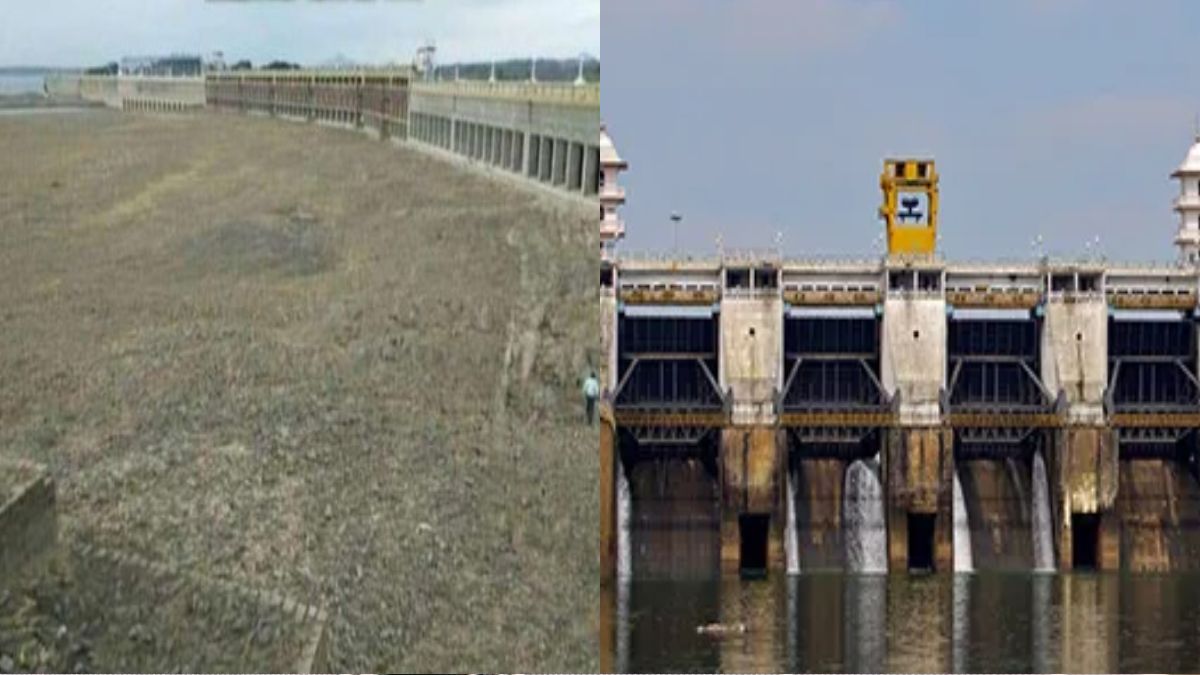
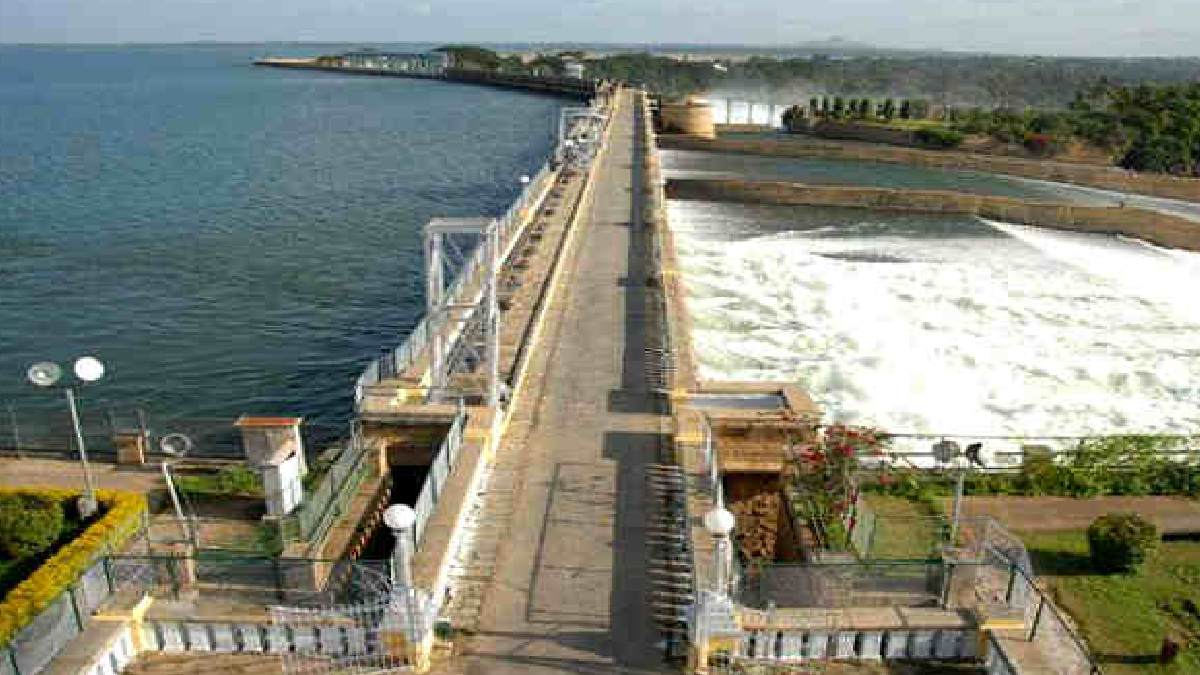
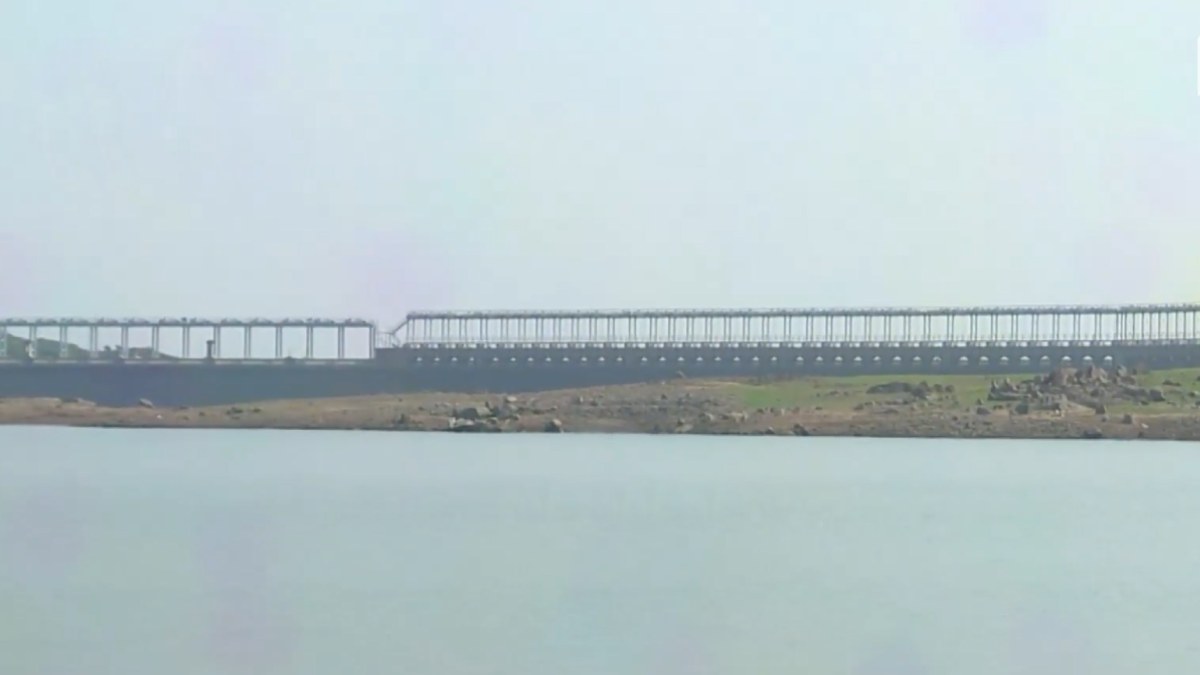
Water levels in the Krishna Raja Sagara Dam (KRS) reservoir, a reservoir that serves drinking water for a huge part of the state, have plunged drastically, sometimes to the point of threatening supply throughout large swaths of Karnataka.
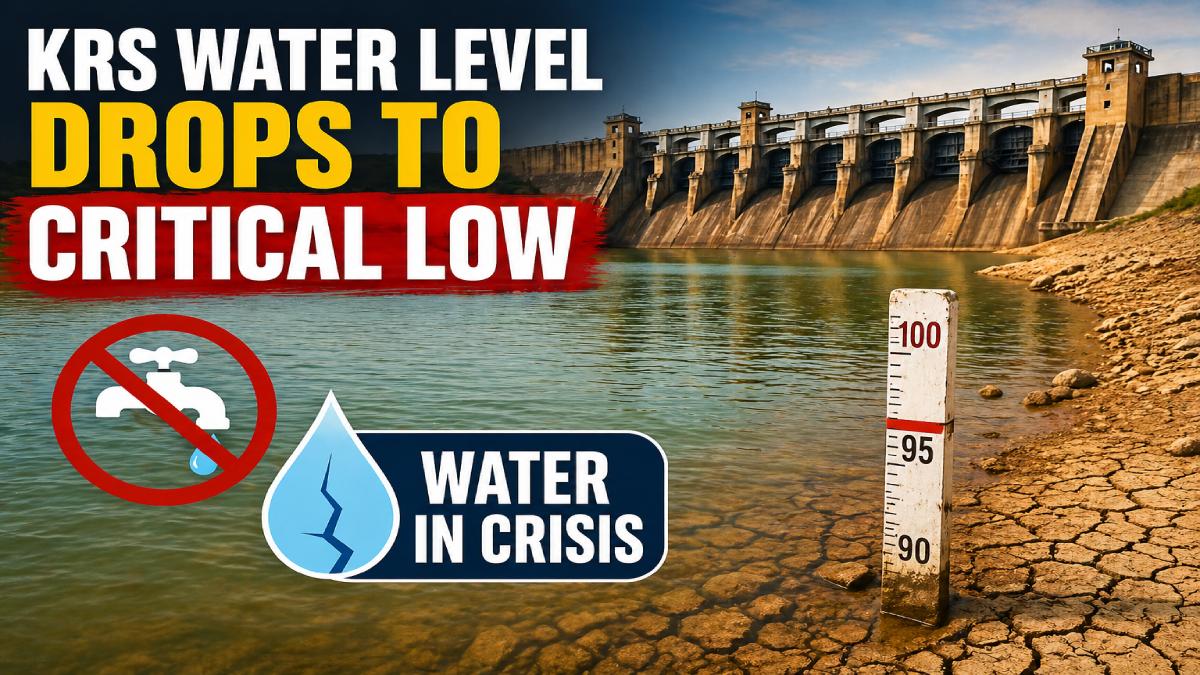
The rest of the water will need to be managed carefully, authorities and water stewards stated, explaining that reservoir storage is falling long before the monsoon. The level of water in the KRS reservoir has fallen to 94 feet with little water reserves, as per information issued by the Karnataka State Natural Disaster Monitoring Centre.
At present, the reservoir is nearing its critical levels and is monitored closely. When you compare last year's comparisons, a worrying trend emerges. In its preliminary analysis, KRS and the Kabini Reservoir had water capacities of 19.50 TMCFT and 9.25 TMCFT on 29 April last year.
This has cut down those numbers to 18.52 TMCFT and 6.23 TMCFT this year, with a clear reduction in water sources available. Experts say that over this time of year, the reservoir level typically remains at about 100 feet. But hotter summer temperatures have accelerated evaporation and lowered water depth. Ex-Irrigation Secretary Captain Raja Rao warned that reduced water levels could also affect water quality.
That water depth will become shallower, so there is more algae growing, which will get too bad tasting in drinking water and poor quality, increasing the risk of drinking water-borne diseases. Current live storage is pegged at about 10 TMCFT, said Srinivas Reddy, a former director of KSNDMC.
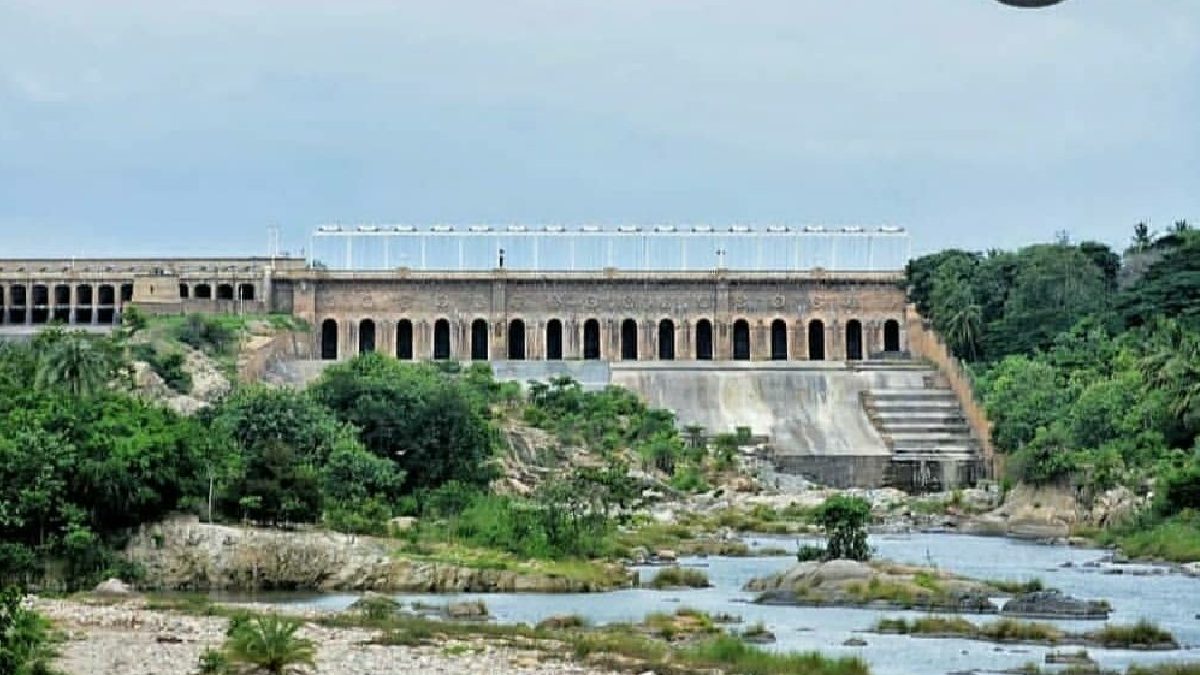
Out of which more than 7 TMCFT is required to provide drinking water for major districts like Bengaluru, Mysuru, Mandya and Ramanagara. He added that nearly 0.8 to 1 TMCFT or so evaporates during transfer from KRS to T.K. Halli, which is responsible for providing water to Bengaluru. He warned, “We are at the precipice of a serious scenario”, to inform the public about how they can use water responsibly to avoid wasting water. While the southwest monsoon is expected to begin in June, officials said inflow into reservoirs does not start as quickly as it does with precipitation.
And the authorities say current storage has to keep the state’s water needs up for at least through mid-June. Districts in the Cauvery basin, including Kodagu, Mysuru, Mandya, Ramanagara and Bengaluru, have reportedly had notably deficient rainfall, state disaster management bureau sources said.
As of the date of its determination, this is to become one of the districts that are within the “red” rainfall deficiency zone (on account of the affected reservoir storage level). Officials said that although efforts by the government to avert the disaster may be underway, ongoing rainfall scarcity may carry the state further into a water crisis in the upcoming weeks.
The problem has once again reinforced Karnataka's dependence on monsoon rains and the role of long-term water conservation models, sustainable reservoir management and public use.