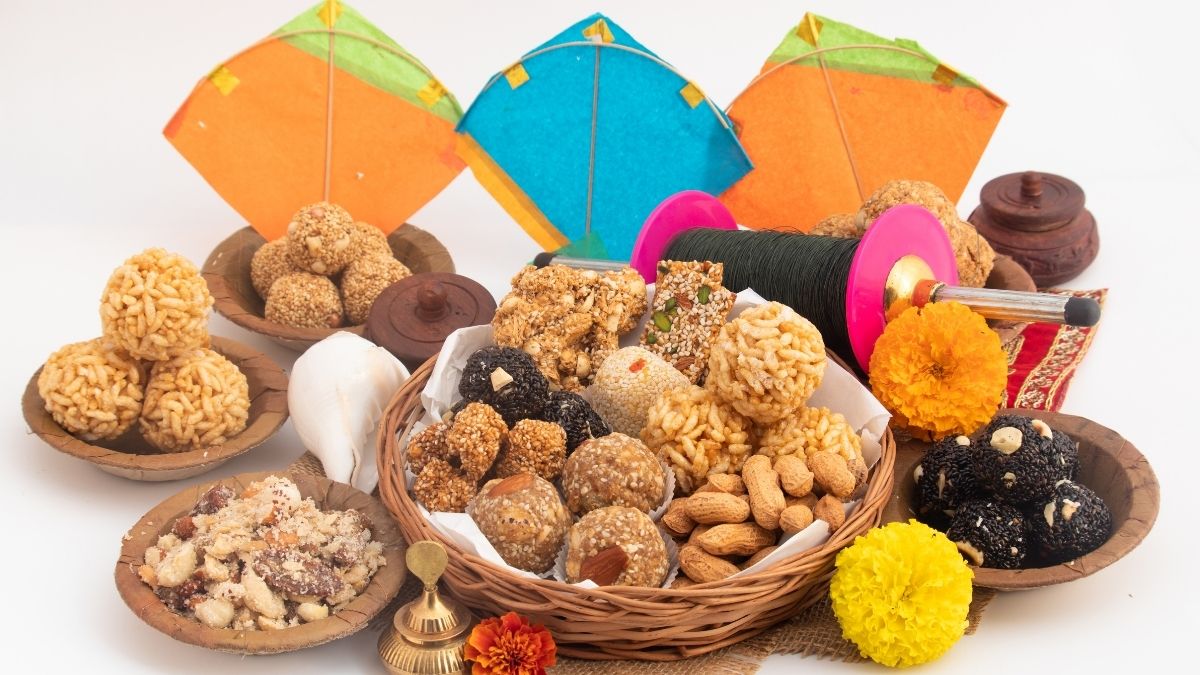
The First Significant Event of the New Year in India is Makara Sankranti. This festival is characterized by colourful kite-flying, delicious sesame candies, and spirit of thanksgiving, being another landmark astronomical event. There is one famous argument on January 14 and on January 15 in 2026 (because the festive dates are the same).
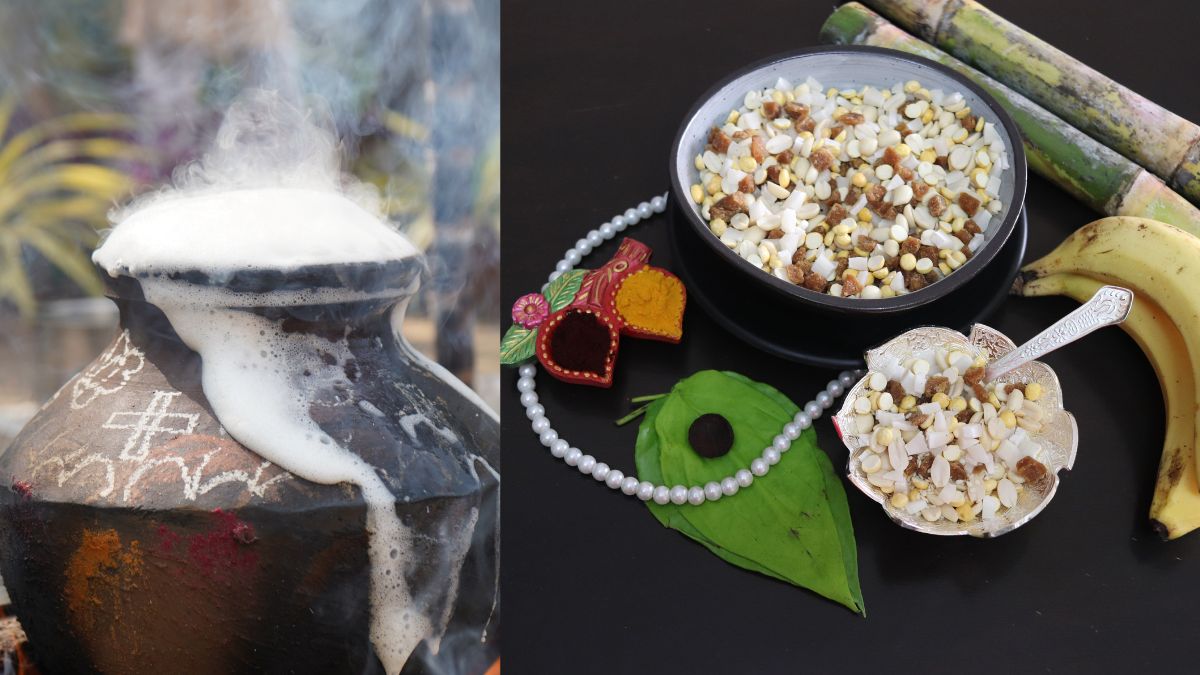
The confusion is gradually cleared, based on the solar calendar and the Sun’s transition. The Date: Why January 14, 2026? Makara Sankranti 2026 will be celebrated on Wednesday, January 14 according to the Drik Panchang and astrological calculations. The Festival is observed at the Sankranti Moment - the moment when the sun leaves the Dhanu Rashi (Sagittarius) and enters the Makara Rashi (Capricorn).
In 2026, the event of solar transition comes on January 14 around 3:13 PM. Because the passage begins in daytime, all major rituals—holy bathing and charity—are to take place most favorably on this day. Auspicious Timings (Shubh Muhurat). In order to enjoy the spirituality of the day, it is advised to conduct pujas and perform the rituals during the Punya Kala as follows:
- Sankranti Punya Kala: 3:13-5:45 PM (2 hours and 32 minutes).
- Maha Punya Kala: 3:13 PM to 4:58 PM (Opportunity for gifts donation and bathing).
The Multiple Significance of the Celebration
Makara Sankranti is special as it’s one of the only Hindu festivals to take place throughout the month following the Solar Cycle instead of the lunar cycle. It has significant impact in science, agriculture and spirituality. Sankranti is the beginning of Uttarayana, the Sun's journey to its north. This 6-month period is referred to as The "Day of the Devas" (the Divine).
This is an unusually auspicious moment in Hindu mythology for rebirth, marriage and housewarming rites. It stands for the triumph of light over dark at a time as the days finally start to lengthen.
Suggi Habba: The Farmer’s Pride
The festival is called Suggi Habba in Karnataka. It is a time that farmers celebrate the harvest of crops such as ragi, sugarcane and groundnuts. Rituals such as Kichchu Haayisuvudu (jumping over fire with cattle) are done for the protection of livestock against diseases and thank the Sun God who provides bountiful yield.
The Science of Ellu-Bella
The custom of exchanging Ellu-Bella (a blend of sesame seeds, jaggery, dry coconut and peanuts) has profound scientific significance. At the peak of winter, the body needs heat and lots of healthy fats. Sesame and jaggery supply the heat and immunity the body needs and in turn the exchange promotes sociality and the promise to “speak sweet words.”
Charity and Purity
The day is associated with Daan (charity). Clothing, food grains and sesame seeds donated for needy people are believed to bring great blessings. Many devotees also take a “Snan” (holy dip) in sacred rivers such as Kaveri or Ganga to clean spirit and begin agricultural year with a fresh soul.
Conclusion
Makara Sankranti 2026 is not just a date on the calendar; it is a celebration of life’s seasons and nature’s plenty. By doing this on the 14th day of January, we orient our lives to the cosmic rhythm of the Sun and invite health, good fortune, and happiness into our homes.