In a shock and outrage incident, a food-stall worker in Ghaziabad, Uttar Pradesh, who was accused of spitting on rotis while making them for diners in a restaurant, was arrested. The video has gone public on social media and shows a man working at a tandoor spitting on the dough before baking it. The stall, named Chicken Point, is situated close to the Vardhmanpuram outpost under the Madhuban Bapudham police station area. The man was identified as Javed Ansari, who lives in Muradnagar. After viewing the film, police found that the allegations seemed plausible and took prompt action, arresting him. The case raises troubling issues about food hygiene and how roadside food joints treat their patrons.
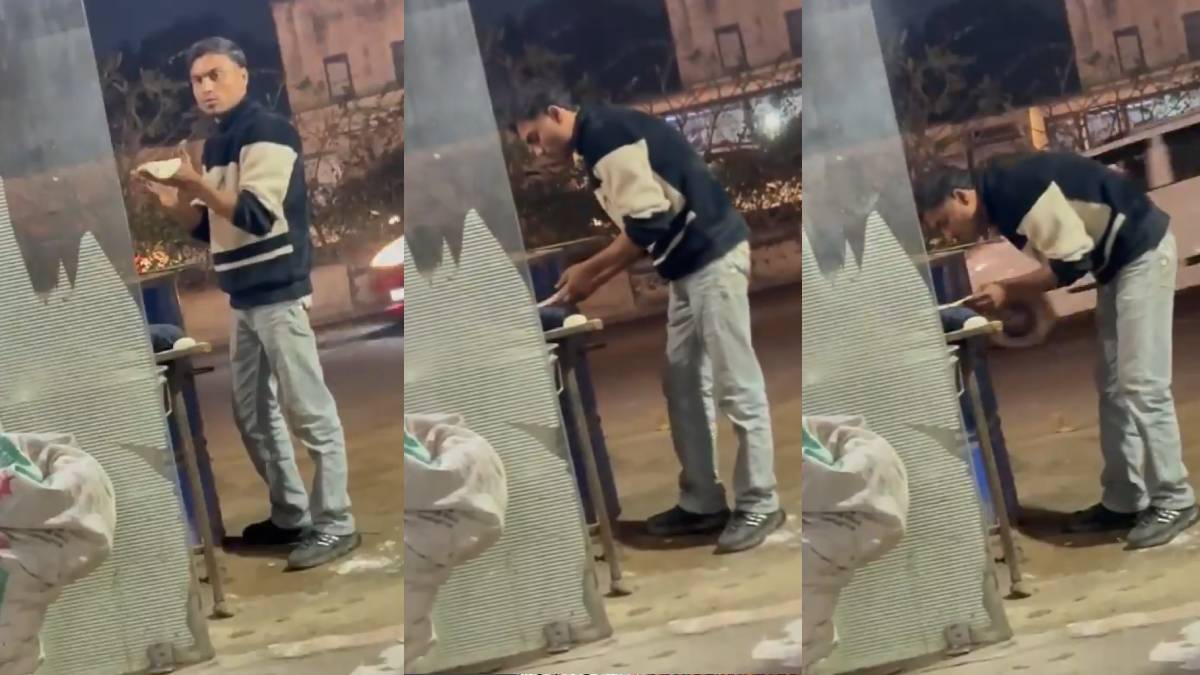
What the Video Showed?
The video shows Javed Ansari making rotis at the tandoor. In the video, he looks to spit on the dough before putting it in the oven. The episode was hidden with a customer working at the stall who later posted it online. As the video went viral, many felt revulsion, leading them to call for immediate attention. Local police officials reviewed the footage and said the behavior was unacceptable and conducted an investigation based on what they found.
BREAKING
— Frontalforce 🇮🇳 (@FrontalForce) January 9, 2026
Ghaziabad police arrested Javed Ansari on charges of spitting on rotis while making them at Chicken Point Restaurant
Then they say why people boycott them 😡pic.twitter.com/Br3pSiFXMF
Steps of the police and charges of charges:
The footage was brought to the attention of the police on the 8th of January 2026, Assistant Commissioner of Police Suryabali Maurya informed of this on Jan 8, 2026. After authenticating the clip, the police arrested Javed Ansari and filed a case under Bharatiya Nyaya Sanhita (BNS) for contaminating food. Authorities are also looking into whether the restaurant was properly licensed and whether the owner knew about what the worker did. Now authorities are questioning the stall’s hygiene practices and food safety standards.
Public Reaction and the Em outcry on Social Media:
The video has generated heated backlash across social media. Its consequences brought anger and frustration from many of the public--the act was described as "disgusting" and "unforgivable." Some even called with great unease for greater food-safety standards and for regular inspections on street food vendors. The incident has also stoked discussions of trust in local eateries. Food in street is a tradition of Indian culture but these events undermine public trust and make people question the behind-the-scenes treatment of food.
Issues on Food Safety in India:
This is not the very first such issue. Food contamination and hygiene incidents in recent years have been reported in various states in India. Such cases emphasise the pressing requirement for increased regulation, training and responsibility for food service sector operations. Experts say that food handlers must be trained in simple hygiene and regularly inspected for safety. Customers must also remain cognizant and report suspicious behavior they observe.
What Needs to Change?
The Ghaziabad incident is a wake-up call not just to the police but also to food vendors. To help avoid similar abuses from happening again in the future, a handful of actions will be required:
- Adequate compliance and enforcement of food safety laws.
- Food workers must receive hygiene training as a mandatory course.
- Periodical inspections of food stalls and restaurants.
- Public awareness campaigns on reporting violations.
Such measures would work for the public to regain confidence and to create a situation where clean and safe food is served so customers would be provided with healthy and safe food.
Javed Ansari's arrest for allegedly spitting on rotis at the food stall in Ghaziabad has caused a national uproar, forcing the authorities to respond with heightened demands for wider food safety standards. And the police have responded quickly; the incident has pushed public food service to re-evaluate how clean it should be. And now that street food has exploded in India, it is crucial that we do so in ways that respect customers’ health and dignity. Clean food is not merely a fundamental right, it’s a matter of respect and responsibility.