Life seldom asks us to appear as our full, unfiltered selves. Instead, it shows us how to fit. We eventually learn to wear “masks”—not physical ones, per se, but emotional and psychological forms that enable us to survive, belong, and succeed. These masks are not illusions. They are strategies. The real problem comes when we forget that we are wearing them.

Why Humans Wear Masks
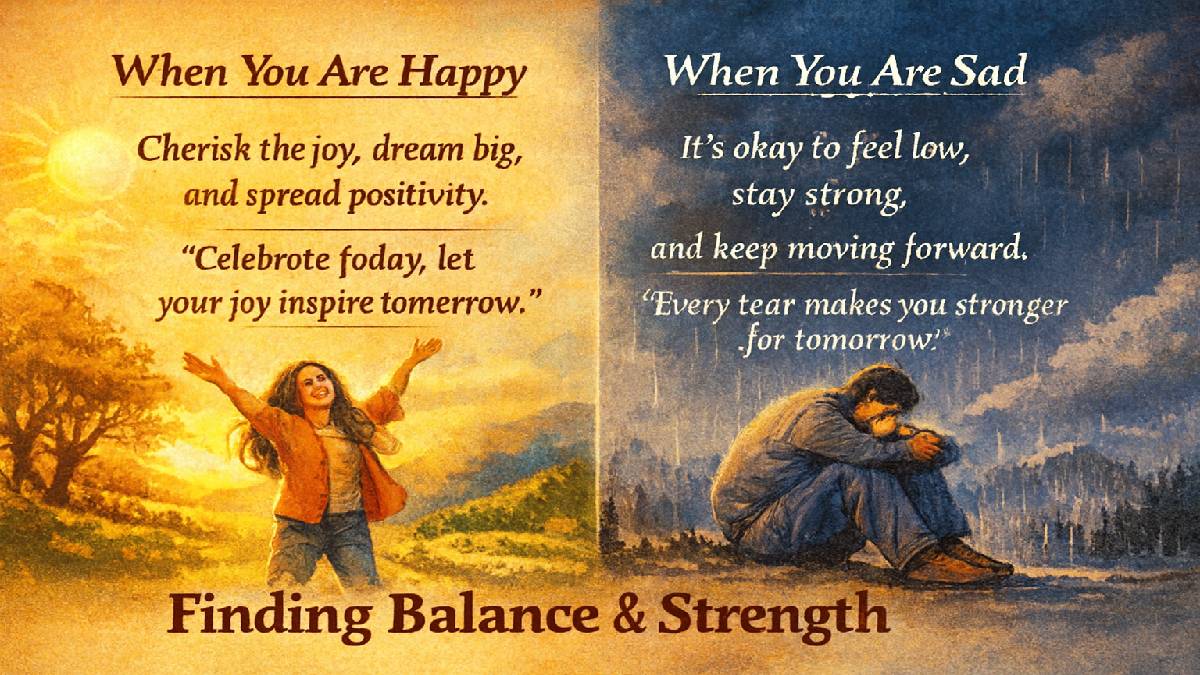
People are taught from a young age that some emotions are encouraged and others are repressed. Strength is praised. Calm is admired. Success is respected. Vulnerability, on the other hand, is frequently misunderstood. To protect ourselves, we adapt.
Some use masks to hide pain. Others wear them to fit in. Some wear them to look powerful, competent, or accomplished. These roles help us function in families, workplaces, and society. They support expectations and pressures.
And wearing a mask is, by itself, not inherently unhealthy. It becomes dangerous only when it substitutes our identity.
The Common Masks We Recognize
These familiar roles are familiar to us by nature:
- The Knowledge Mask – always having answers, being the expert
- The Strength Mask – always strong, never appearing weak, always able to endure
- The Happy Mask – smiling through pain, keeping a positive outlook at all costs
- The Success Mask – measuring self-worth by achievement
- The Spiritual Mask – appearing enlightened while avoiding inner wounds
Each mask serves a purpose. Each also carries a cost.
When the Mask Starts to Hurt
When a mask feels like a burden and no longer a part of us, it is a loss of meaning. The signs are nuanced at first emotional numbness, perpetual fatigue, fear of being truly seen. Life can start to feel empty, performative, or fake over time. That does not mean we have failed. It means the mask has been doing work for too long.
The Core Truth
The problem is not the mask. The trouble is forgetting you have one. When we confuse role with identity and identity with role, we cease to listen to our inner needs. We start operating our lives on autopilot, driven more by expectation than genuine sense.
Learning to Remove the Mask
Removing a mask does not mean shirking responsibility or strength. It involves creating awareness and choice.
- That awareness starts with naming the mask you wear.
- Expression allows you to feel what the mask has been protecting.
- Compassion restores the parts of you that required the mask in order to survive.
- Choice empowers you, knowing when to put on the mask and when to take it off.
- Strength comes from being malleable, not fixed.
Living Without Losing Yourself
You don’t have to say no to your roles. You’ve got to keep in mind that they are roles after all. You can be capable and still vulnerable. Successful and yet human. Strong and still tired. The most peaceful life isn’t a life without masks but a life where you actively choose them.
So, gently and genuinely, ask yourself:
Are you using the mask or is the mask using you?