
For decades, the medical community and the public have operated under a single assumption: a heart attack is caused by a clogged "pipe" or a blocked artery. However, 2025 has seen a significant surge in a condition that defies this logic. Known as MINOCA (Myocardial Infarction with Non-Obstructive Coronary Arteries), these are "hidden" heart attacks where the arteries appear clear under standard testing, yet the heart muscle suffers real, life-threatening damage.

Recent data suggests that MINOCA now accounts for nearly 10% to 15% of all heart attack admissions, with a disproportionate rise among younger women and individuals with few traditional risk factors.
What is MINOCA?
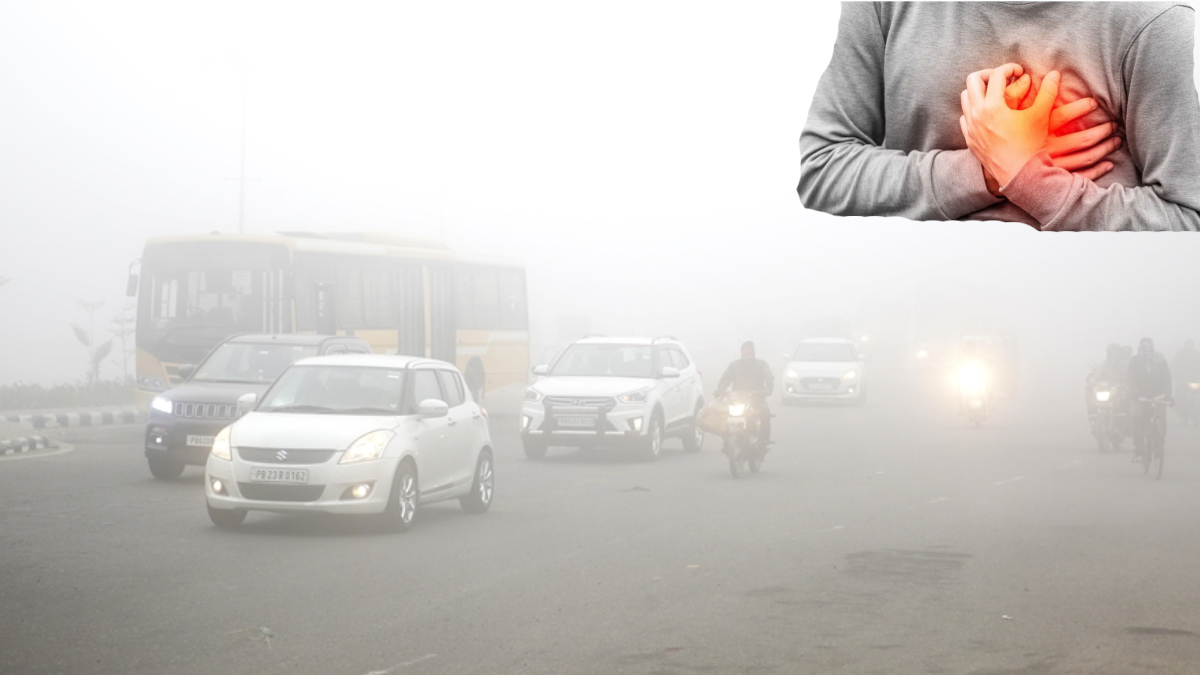
In a traditional heart attack, an angiogram typically reveals a major blockage (stenosis >50%) caused by plaque. In a MINOCA case, the angiogram shows clean or minimally narrowed arteries. Despite this, the patient presents with classic symptoms: crushing chest pain, shortness of breath, and elevated troponin levels (a protein released when the heart muscle is injured).
Why the Surge in 2025?
Experts point to three primary reasons why MINOCA diagnoses are spiking this year:
- Advanced Diagnostic Tools: In 2025, the widespread use of Cardiac MRI and Optical Coherence Tomography (OCT)—which uses light waves to see inside artery walls—has allowed doctors to catch "micro-tears" and "spasms" that were invisible on older scans.
- Chronic Stress & Inversion: High levels of chronic cortisol (stress hormone) are being linked to Coronary Vasospasms, where the artery suddenly constricts and cuts off blood flow, even without plaque.
- Post-Pandemic Vascular Health: Emerging research suggests that long-term vascular inflammation from viral infections has made the lining of blood vessels (the endothelium) more "irritable" and prone to dysfunction.
The Hidden Triggers
Unlike traditional heart disease, which is often driven by diet and cholesterol, MINOCA is frequently triggered by:
- Spontaneous Coronary Artery Dissection (SCAD): A spontaneous tear in the artery wall, common in women under 50.
- Microvascular Dysfunction: Damage to the microscopic blood vessels that are too small to be seen on a standard angiogram.
- Takotsubo Syndrome: Often called "Broken Heart Syndrome," triggered by severe emotional or physical stress.
A Warning for "Low-Risk" Individuals
One of the most concerning trends in 2025 is that MINOCA patients are often younger, leaner, and non-smokers.
"The danger is that these patients are often dismissed in the ER because they don't 'look' like heart attack candidates," says Dr. Priya Palimkar, a senior cardiologist. "Because their angiograms look clear, they may be sent home without the life-saving medications they actually need."
Studies now show that the 5-year mortality rate for "true" MINOCA is nearly double that of traditional heart attacks, largely because the underlying cause (like a clotting disorder or spasm) goes untreated.










Comments
Leave a Comment