
As temperatures plummet, especially during the peak months of December and January, medical professionals are issuing urgent warnings regarding the heightened risk of heart attacks. Evidence suggests a significant link between cold weather and cardiovascular incidents, with doctors noting a 10 to 15 percent increase in heart attack cases during winter.
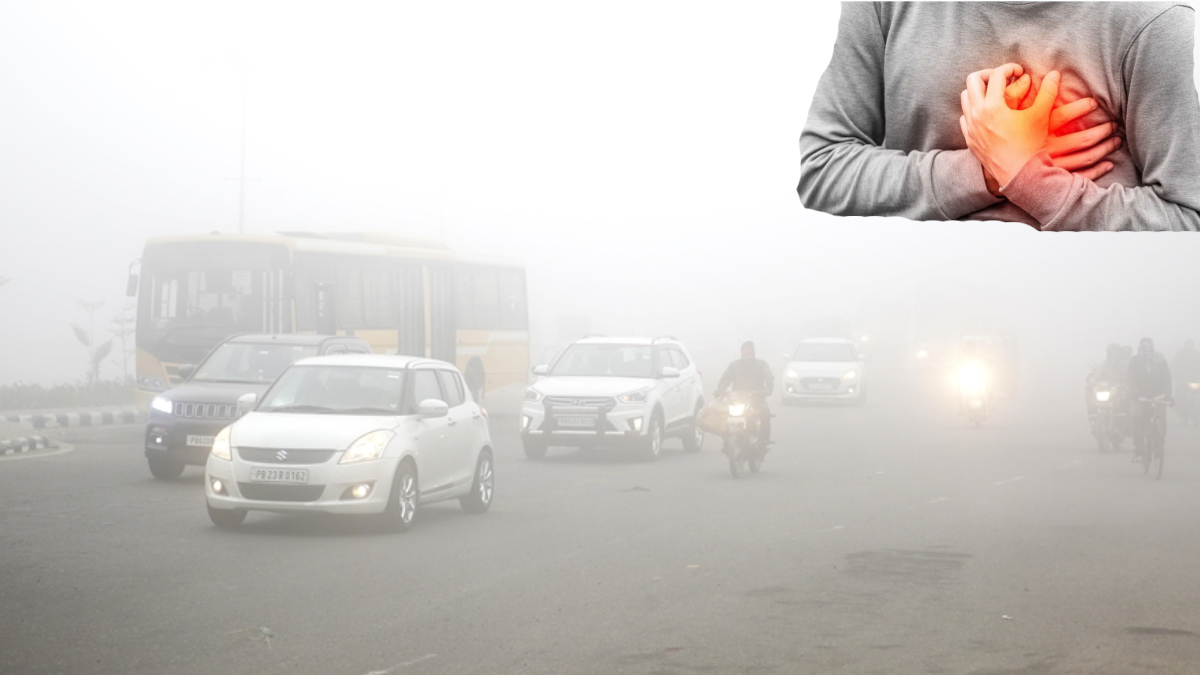
But why the sudden spike, and why are doctors urging everyone to take extra care of their hearts during this season?
Understanding the Cold-Induced Risk
The primary reason for the increased risk lies in the physiological response of the human body to cold temperatures.
1. Increased Blood Pressure (Hypertension): The cold causes the blood vessels (arteries) to constrict, a process known as vasoconstriction. This narrowing requires the heart to pump harder to circulate blood, resulting in a sudden and often dangerous increase in blood pressure.
The period between 3 AM and 8 AM is particularly critical, as the body's natural blood pressure regulation is often at its highest during these early morning hours, compounded by the extreme cold.

2. Increased Blood Viscosity: Cold weather can also make the blood thicker and stickier, increasing the chances of clot formation, which is the direct cause of most heart attacks.
3. Stress on the Heart: The heart has to work harder to maintain the body's core temperature, placing additional strain on an already fragile system, especially in those with pre-existing coronary artery disease.
Doctors' Instructions for the Cold Spell
In light of the risk, doctors are stressing several key lifestyle modifications, particularly for the next few days when the chill is expected to be most intense:
- Avoid Morning Walks: Physicians strongly advise people to avoid morning walks during the extreme cold period (3 AM to 8 AM). Walking in the evening is recommended as a safer alternative when temperatures are slightly higher.
- Watch the Diet: The temptation to indulge in hot, deep-fried snacks like bhaji and bonda during the cold weather must be resisted. Doctors urge the public to avoid fried foods and instead follow a heart-healthy diet to manage cholesterol and blood pressure.
- Special Care for Vulnerable Groups: Children and senior citizens are advised to take special care of their health and stay adequately warm, as their bodies are more susceptible to the adverse effects of cold exposure.
- Maintain a Healthy Lifestyle: Following a generally healthy lifestyle remains paramount in mitigating cardiovascular risks throughout the winter months.
By understanding the physiological link between cold and cardiac events and adhering to these medical guidelines, individuals can significantly reduce their risk and keep their hearts protected this winter.










Comments
Leave a Comment