
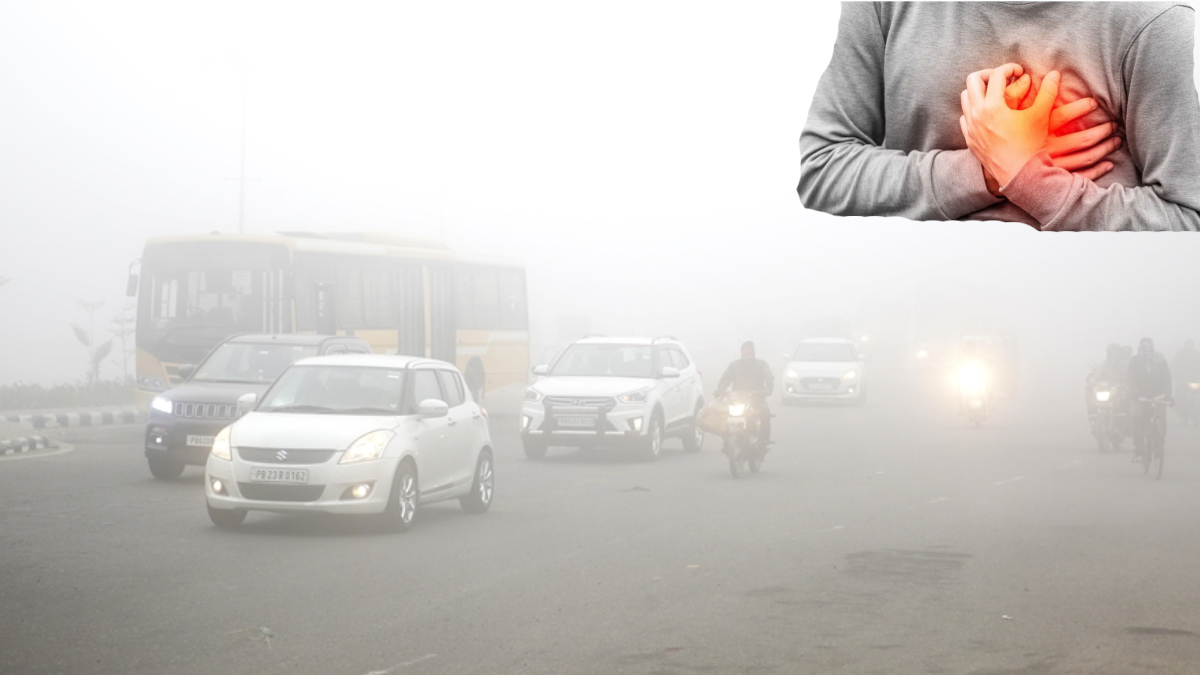
India witnesses a sharp seasonal rise in heart attacks and strokes during the winter months, with cardiologists reporting a 20–30% increase in cardiac emergencies between November and February. The risk is highest in the early morning, when cold exposure combines with natural physiological stress on the heart.

Why Winter Is Risky for the Heart
Cold weather causes blood vessels to constrict, resulting in a sudden rise in blood pressure and increased strain on the heart. Early mornings are particularly dangerous because hormonal changes at this time already cause blood pressure and heart rate to peak. Physical exertion—such as early-morning walks—can further elevate the risk of heart attack or stroke.
“Early mornings are a well-known high-risk window for heart attacks. Cold exposure makes the heart work harder to pump blood through narrowed vessels, which can destabilise existing arterial plaques and trigger sudden clot formation,” explain leading cardiologists.
Who Is Most Vulnerable
Winter-related cardiac events are most common among:
- Adults aged 60 years and above
- People with diabetes, high blood pressure, or high cholesterol
- Smokers and former smokers
- Individuals with obesity or sedentary lifestyles
- Patients with a history of heart disease
Doctors also report a worrying rise in first-time heart attacks among middle-aged individuals with previously undiagnosed risk factors, highlighting the need for greater public awareness.
Early-Morning Walks: A Hidden Winter Risk
While regular exercise is crucial for heart health, experts caution that early-morning outdoor walks in winter may increase heart risk for high-risk individuals. Sudden cold exposure combined with brisk activity can sharply raise cardiac workload.
Safer alternatives include:
- Rescheduling outdoor exercise to after sunrise (9:00 a.m. – 11:00 a.m.)
- Indoor activities such as yoga, stretching, light aerobics, or treadmill walking
Warning Signs That Require Immediate Attention
Seek urgent medical care if you experience:
- Chest pain or pressure
- Sudden breathlessness
- Profuse sweating
- Dizziness or fainting
- Extreme fatigue
- Pain in the jaw, neck, back, or left arm
- Irregular or rapid heartbeat
- How to Protect Your Heart This Winter
Experts recommend the following precautions:
- Dress warmly, covering chest, head, and feet
- Avoid sudden exposure to cold temperatures
- Take prescribed medications consistently
- Stay hydrated, even if you feel less thirsty
- Monitor blood pressure and blood sugar levels
- Undergo periodic heart check-ups
Health specialists stress that physical activity should not be avoided, but must be timed safely. These simple precautions could prevent thousands of avoidable cardiac emergencies each winter.
Disclaimer: This article is intended for general awareness and does not replace professional medical advice. Consult a qualified doctor for personalised guidance.










Comments
Leave a Comment