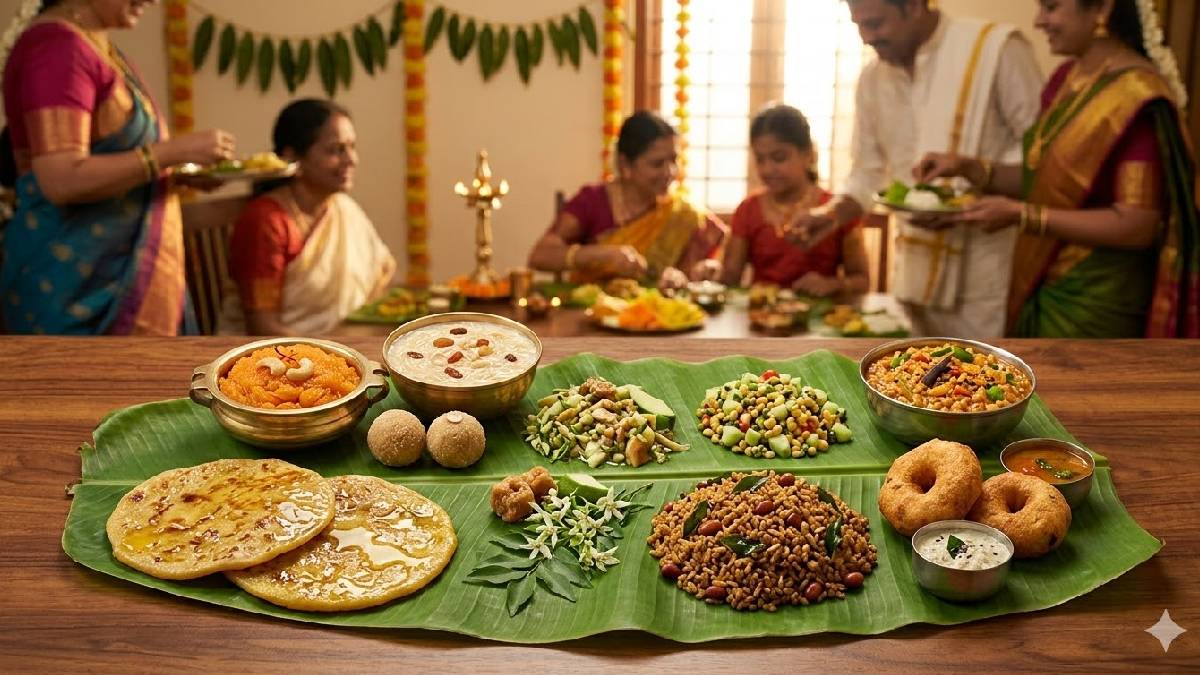
Ugadi is observed on the New Year based on the Hindu lunar calendar and is very festive in the states of Karnataka, Andhra Pradesh and Telangana. The festival represents new beginnings, prosperity and spring. Although Ugadi is often celebrated with traditional vegetarian dishes as well as symbolically‑tasting offerings, many families make tasty non‑vegetarian foods as part of the feast.
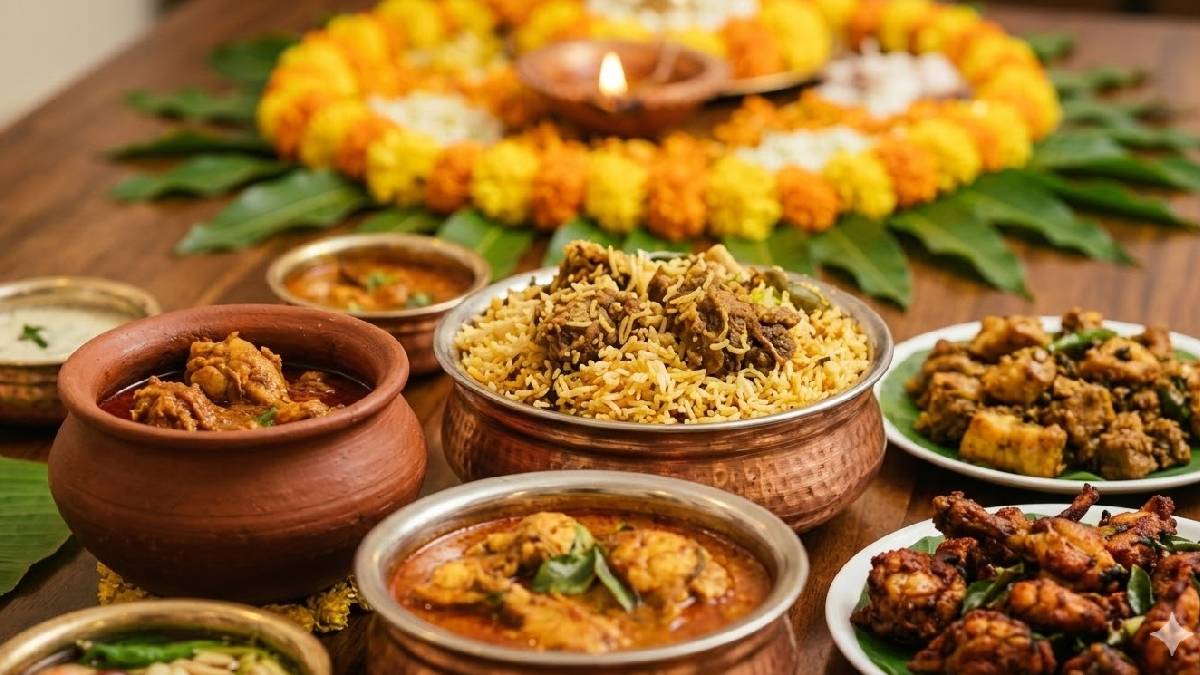
In some South Indian homes, the day opens with prayers, rituals and tasting the traditional Ugadi Pachadi — which symbolizes the six flavors of life. Families then have a big feast for New Year after those rituals. To some, food served is offered with a side of non‑veg dishes for lunch or dinner: the feast feels all the more celebratory and special.
Role of Non‑Veg Foods in Ugadi Celebrations
Festivals for many people are celebrated with abundance and celebration. Catering an extravagant and sumptuous meal could be a means to open the door to prosperity and happiness for the new year. Non-vegetarian cuisine has to be prepared since, well, a special food, a food that can only be prepared or eaten for social occasions and to cook with the family.
Food habits are also widely diverse, from place to place. Non‑vegetarian food is a basic component of the food culture in numerous parts of Andhra Pradesh and Telangana. For festivals such as Ugadi, families cook their favorite recipes including chicken, mutton, or fish and also traditional festive foods. A strong one is a family feast tradition. Ugadi is a time for relatives and friends in the world to come together and give thanks for the New Year. Eating a mix of food that includes non‑veg curries and fries brings home the whole meal for all the participants including themselves.
Popular Ugadi Dishes: Non‑Veg Dishes
Some households in South India cook different non‑vegetarian recipes based on their local preferences and family customs:
- Chicken Curry: Prepared using onions, tomatoes, ginger‑garlic paste and traditional spices to create a rich, aromatic gravy. Traditionally served with steamed rice, chapati and dosa.
- Mutton Curry: A celebratory dish cooked slowly with spices, garlic and herbs to create a thick gravy that pairs well with rice or breads.
- Chicken Fry: Spicy chicken pieces marinated with chili powder, turmeric and ginger‑garlic paste, fried until crispy and golden.
- Fish Curry: Popular in coastal Karnataka and Andhra Pradesh, made with tamarind, coconut and spices for a tangy, spicy flavor.
- Mutton Biryani: A festive favorite cooked with fragrant basmati rice, spices and herbs, often served when families host guests during Ugadi.
The Ugadi Celebration: A Celebration of Flavor and Unity
Even for families of non‑vegetarian chefs, this spirit of Ugadi still cuts through the flesh and leaves behind traditions and togetherness. The festival is more than ritual, it is also about food, laughter and bonding with loved ones. From spicy chicken curries to rich mutton biryani, non‑veg dishes create both joyfulness and diversity in the festive meal. They are synonymous with celebration, hospitality, and family celebration at the beginning of the new year.
Now – Ugadi is the best time for most households to enjoy good food of a non‑vegetarian variety when we celebrate the New Year with a sense of joy, prosperity and togetherness.