A troubling event has recently unfolded in Kannauj, Uttar Pradesh, where the national bird of India, called the Indian Peafowl (peacock), was poached. Locals stepped in and were able to hold the accused, preventing the bird from being taken away. Although not all the dramatic details posted online are verifiable, the facts established raise serious issues: peacock poaching is a threat to wildlife even with strict legal protection.
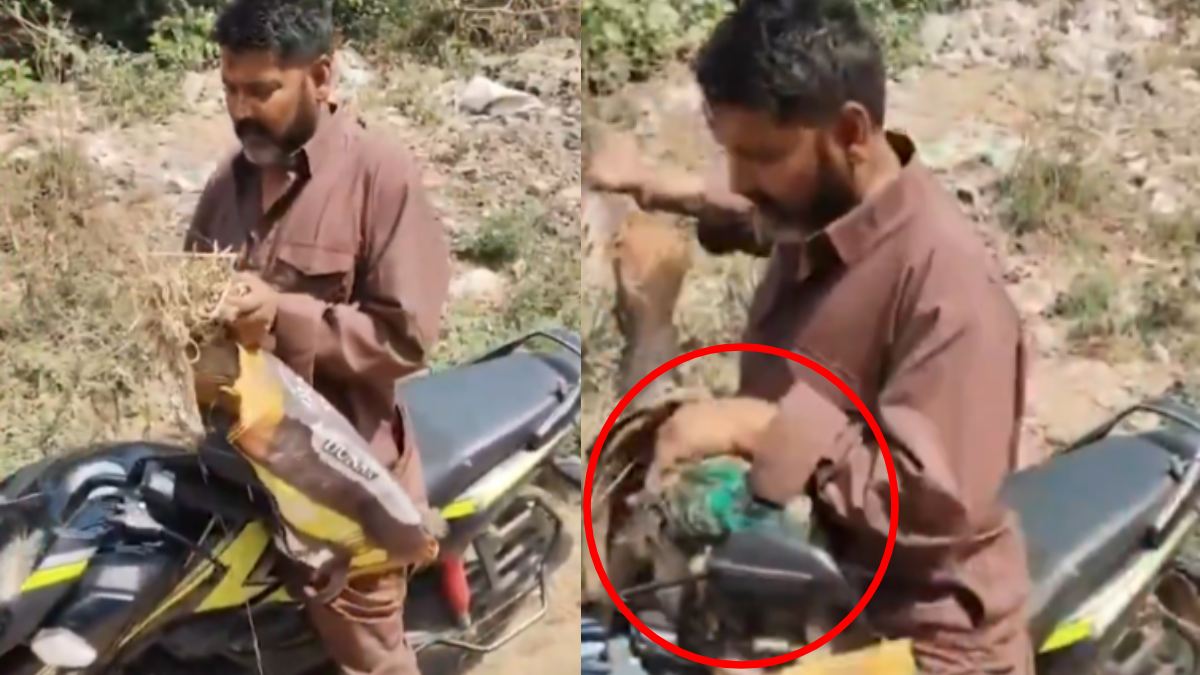
Reports had it hunters were laying traps by the Kali river in Kannauj to capture peacocks. These birds have a strong demand for feathers and are even hunted for meat – but are protected under the Wildlife Protection Act of 1972. People of the area also observed some suspicious behaviour; they confronted the poacher. To the attention of the crowd, the accused tried to hide his crime, explaining he’d give the bird away.
Locals played an equally important role in saving the peacock. Their vigilance not only restrained the immediate act but also drew attention to a string of poaching activity in the region. A dead peacock and hunting gear were found, confirming that illegal hunting had been taking place. It’s an example of how there is a potential role for local awareness to play in the protection of wildlife when enforcement is lax.
The Indian peafowl is India’s national bird and enjoys the highest protection under law. Hunting or injuring peacocks can be a crime, punishable by fines and even imprisonment. Poaching persists in rural belts of limited monitoring. The Kannauj case exposes the chasm between legal protectionist assurances and ground‑level enforcement.
Peacocks are culturally significant and play an important role in biodiversity. Their existence upholds an ecological balance, and their decline can impact local ecosystems. Illegal hunting depopulates them, destroys their habitats, and sabotages conservation efforts. Safeguarding the peacocks is thus both a cultural obligation and an environmental necessity.
The Kannauj incident is a reminder that India’s national bird still falls victim to poaching. Locals could come forward and prevent additional damage, and yet, the evidence of traps and a dead peacock reveals that the threat was not trivial. Policing must become more robust, the local populace kept alert and more aware this will prevent birds like the peacock from being killed, and future generations can continue to admire their beauty. Protecting the peacock isn’t merely a matter of saving a bird; it is part of protecting India’s natural and cultural heritage.