As temperatures soar across India, many households look for meals that are light, refreshing, and easy to prepare—without spending hours over a hot stove. One such traditional delight from Andhra Pradesh is Pachi Pulusu, a tangy, cooling dish that requires no LPG cooking at all.
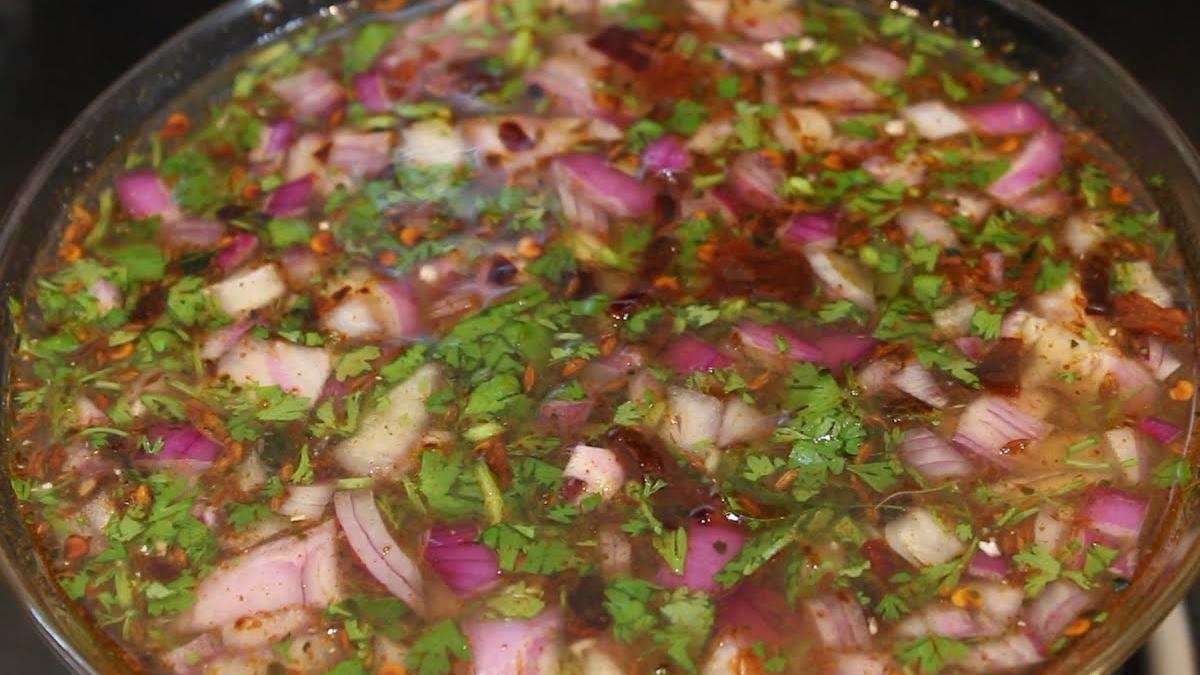
What is Pachi Pulusu?
Pachi Pulusu is a raw, uncooked version of rasam made using tamarind extract, onions, green chilies, and fresh herbs. Unlike traditional rasam, this dish does not involve boiling or tempering, making it perfect for hot summer days when you want to avoid using gas.
Why It’s Perfect for Summer
The dish is known for its cooling properties. Tamarind provides a tangy base, while onions and green chilies add a refreshing crunch and mild heat. Served with steamed rice, it creates a light yet satisfying meal that helps beat the heat.
Simple Ingredients, Big Flavor
What makes Pachi Pulusu special is its simplicity. The core ingredients include:
- Tamarind pulp (soaked and extracted in water)
- Finely chopped onions
- Green chilies
- Salt
- Jaggery (optional for a hint of sweetness)
- Fresh coriander leaves
Everything is mixed together without cooking, preserving the natural flavors and nutrients.

Easy Preparation Method
Preparing Pachi Pulusu is quick and effortless:
- Soak tamarind in water and extract the pulp.
- Add chopped onions and green chilies.
- Mix in salt and a small amount of jaggery if desired.
- Garnish with coriander leaves.
Some variations include a light tempering, but the traditional version skips this step entirely.
A Sustainable, Energy-Saving Choice
In times when LPG prices and availability can be a concern, dishes like Pachi Pulusu offer a practical and sustainable alternative. It not only reduces fuel usage but also promotes traditional eating habits rooted in local culture.
Cultural Significance
Pachi Pulusu is more than just a dish it reflects the culinary wisdom of Andhra households, where recipes are designed to suit the climate. It is often enjoyed during peak summer months and is a staple in many rural homes.