
From Anxiety to Emotional Well-Being: Psychological splitting, or the mind’s attempt to protect itself by separating reality when it feels overwhelming, is what will make reality less overwhelming. Confronted with raw emotions, uncertainty or perceived threat, the brain takes a shortcut: it does so by reducing them down to neat and tidy binary categories of good or bad, safe or dangerous, us or them, right or wrong.
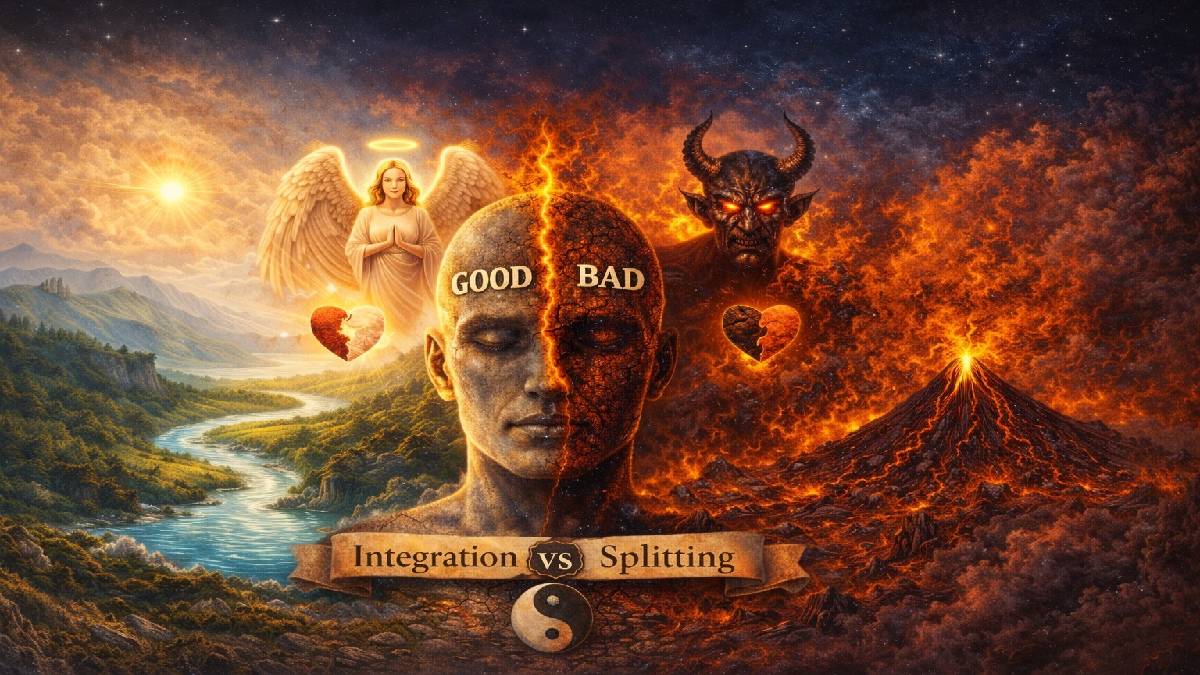
This binary logic lowers cognitive load, thus providing a temporary sense of control. When life is unsafe, certainty — even when false — can have a reassuring, restorative quality. Splitting typically occurs early in life, especially in settings in which complexity feels menacing. The psyche is taught that ambiguity is danger and clarity is safety. Eventually this survival routine becomes automatic. The mind opts for “clear” rather than “true” on the basis of emotional survival rather than accuracy.
When splitting dominates reality, reality becomes either-or lived experience. People are idealized as heroes one second and vilified as villains the next. Self-worth can swing wildly — grandiosity when applauded, shame when scorned. Relationships have emotional intensity, drama and instability. The nuance gets uncomfortable, or worse, threatening, and emotional responses tend to be out of step with what’s happening. The inner logic holds: If it isn’t all really good, it’s bad. The apparent logic is fear in the guise of certainty. And if splitting protects the ego, it splinters the self.

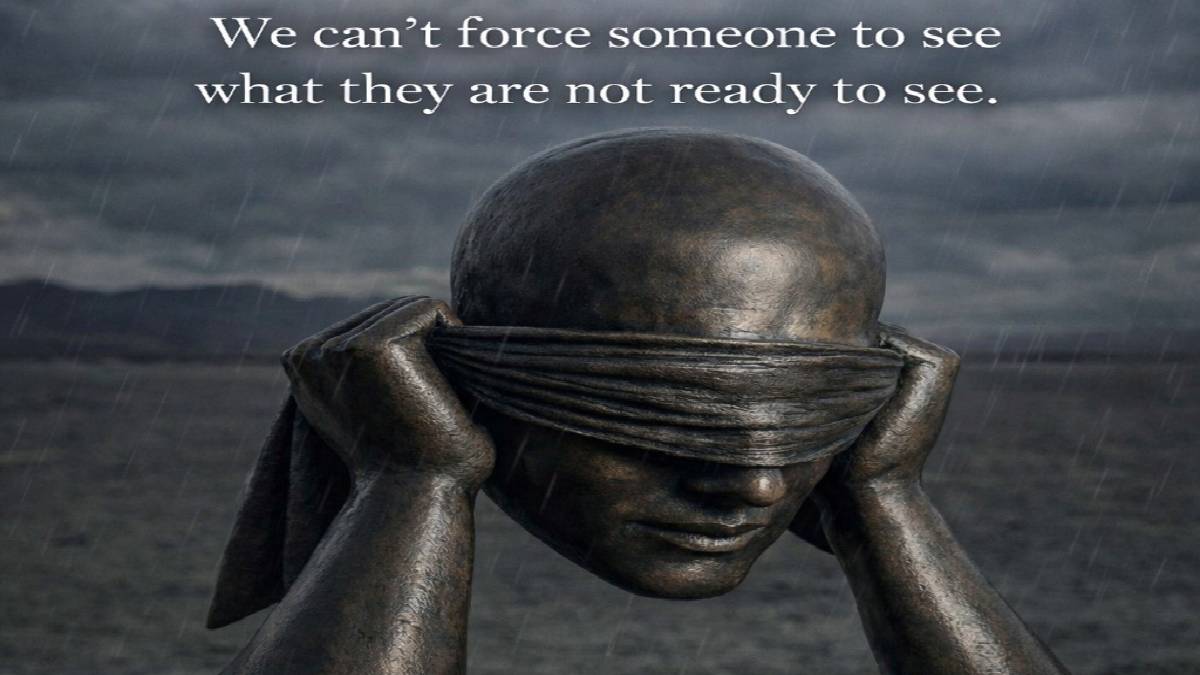
Integration is the antidote to that fragmentation. Integration is the mental ability to be able to have complexity without losing our focus into extremes. It lets two contradictory truths live in harmony: one can hurt and still be human; you can be flawed, you must still be worthy; growth does not erase shadow — it involves and understands shadow. Emotional stability comes from integration. Self-worth no longer varies based on approval or failure. The idea that you’re responsible leads to compassion: You can have both.
Instead of needing strict labels, the integrated mind accommodates tension, uncertainty and ambiguity. This tolerance isn’t a sign of weakness; it is maturity. A step forward toward integration starts with awareness. Pay attention to times of black-and-white thinking. So pause before making judgments and consider whether various truths could coexist. Re-evaluate in context rather than one-off behavior. Show compassion to yourself and others if something goes wrong.
Therapeutic methods like mindfulness, dialectical behavior therapy, psychodynamic work and other forms of psychotherapy can help retrain the nervous system to shift from splitting to integration. Psychological freedom starts at the point where reality no longer needs to be simple for us to feel safe.

You don’t heal by becoming “all good.”
You heal by learning to hold all of you.











Comments
Leave a Comment