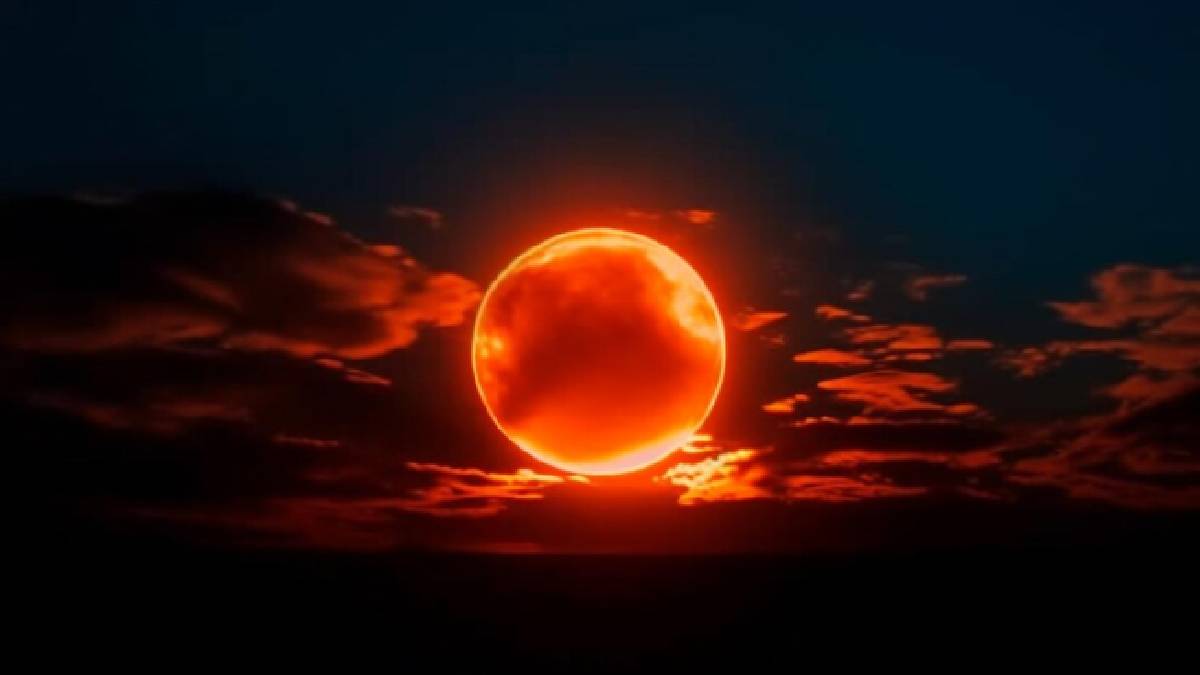
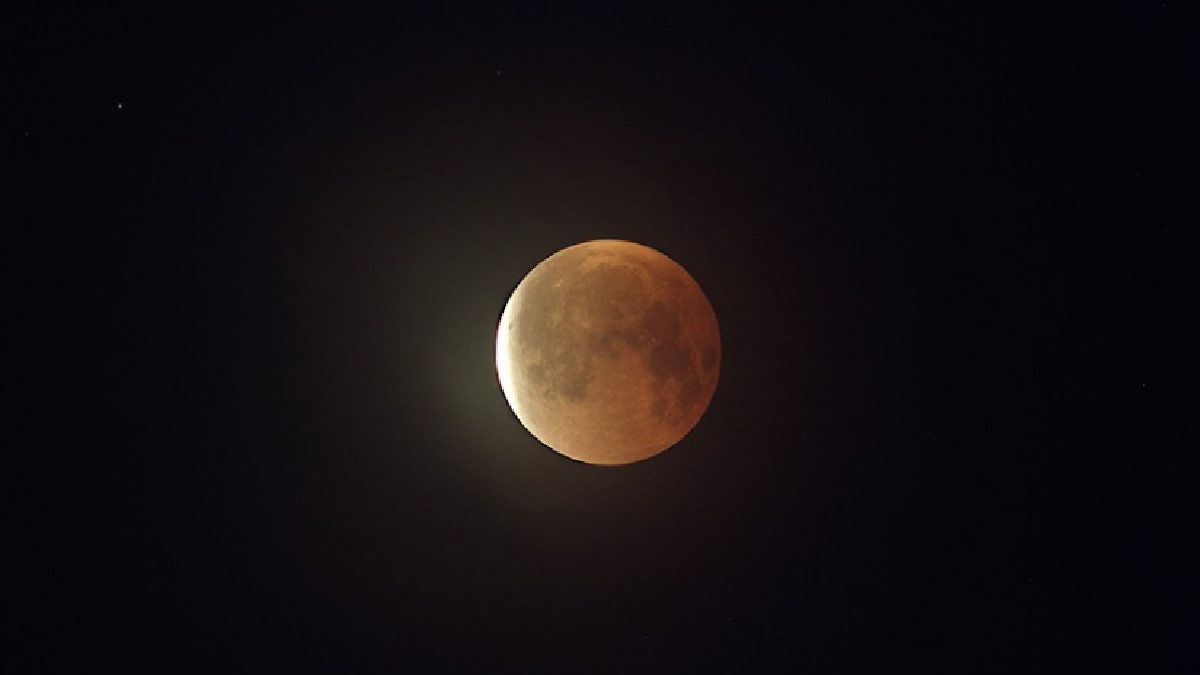
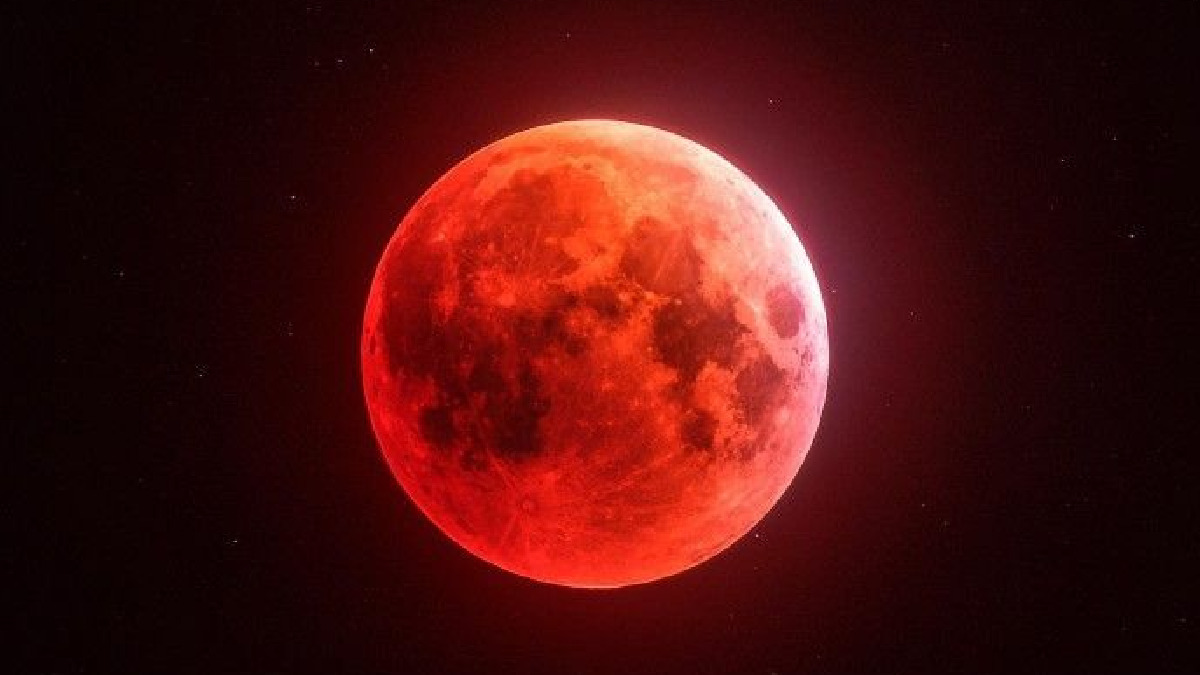
On March 3, 2026, the night sky will look like a beautiful scene: a total lunar eclipse, a phenomenon often referred to as a “Blood Moon.” It will also be the first complete lunar eclipse of the year and millions of people elsewhere will have a taste of it. Solar eclipses require special glasses for viewing, whereas lunar eclipses are not, and can be viewed safely using the naked eye. All it takes to get to the eclipse is a clear sky and a few minutes to stare up.
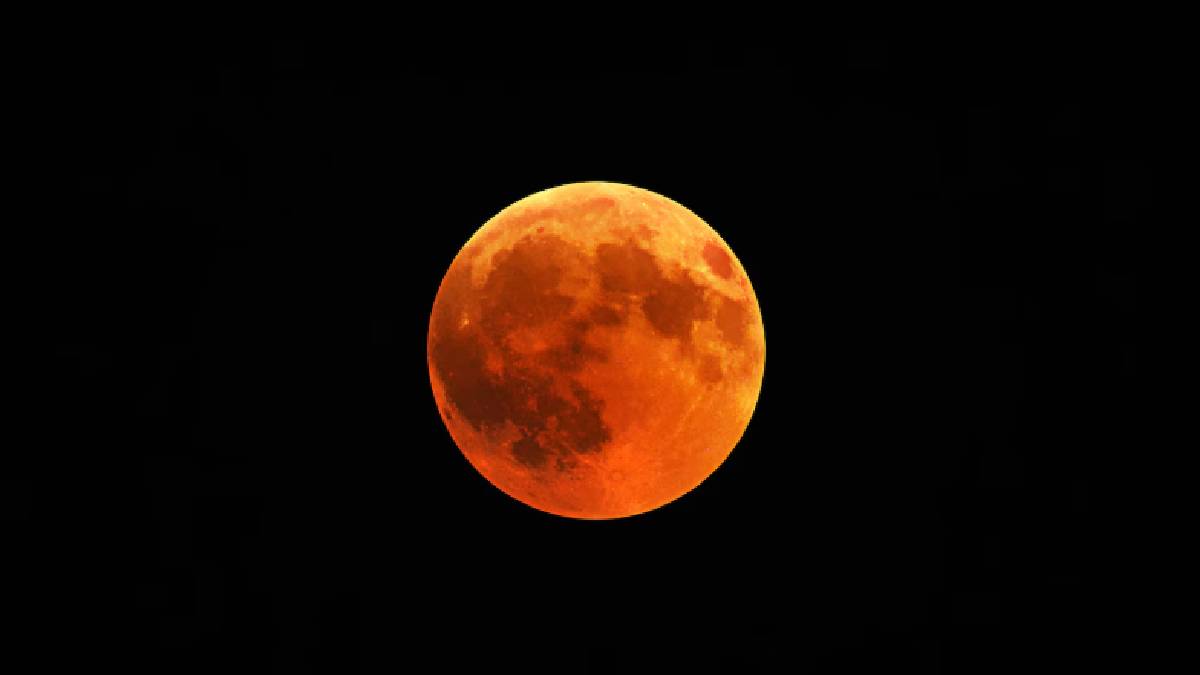
What is the Total Lunar Eclipse?
The Earth moves straight between the Sun and the Moon in what is a total lunar eclipse. Since the shadow of the Earth falls on the Moon, that sunlight bends and filters through the atmosphere to paint the entire lunar surface red. That is why, during the eclipse, the Moon turns blood-red, which leads to the name “Blood Moon.” It's a natural play of light and shade turning our own Moon to something exotic and magical.
Timings of the Eclipse
The eclipse itself starts in the afternoon and continues through the evening. In India, the penumbral phase begins at around 3:20 PM IST. The more dramatic moment totality will happen between 4:34 PM and 5:33 PM IST. The event itself will end at 6:48 PM IST. In many places of India, the Moon will already have risen in eclipse, so observers will only capture the later parts. Still, to see that glowing red Moon at dusk is indelible.
Where Will It Be Visible?
This eclipse will be visible in Asia, Europe, Africa, and the Americas. In India, cities such as Delhi, Mumbai and Kolkata will receive partial views after moonrise. All over the world, when the Moon rises above the horizon in totality, skywatchers in areas will enjoy all that beauty. It is a communal one, a reminder that we all look up at the same sky wherever we live.
Celestial events like this eclipse link science and wonder to cosmic events. They evoke the precise dance of the planets, stars and moons. For astronomers, eclipses are moments to observe Earth’s atmosphere and the Moon’s surface. For everyday people, they are moments of awe and contemplation. The eclipse coincides with Holi in India, a festive time, adding a culturally charged element to an otherwise cosmic spectacle.
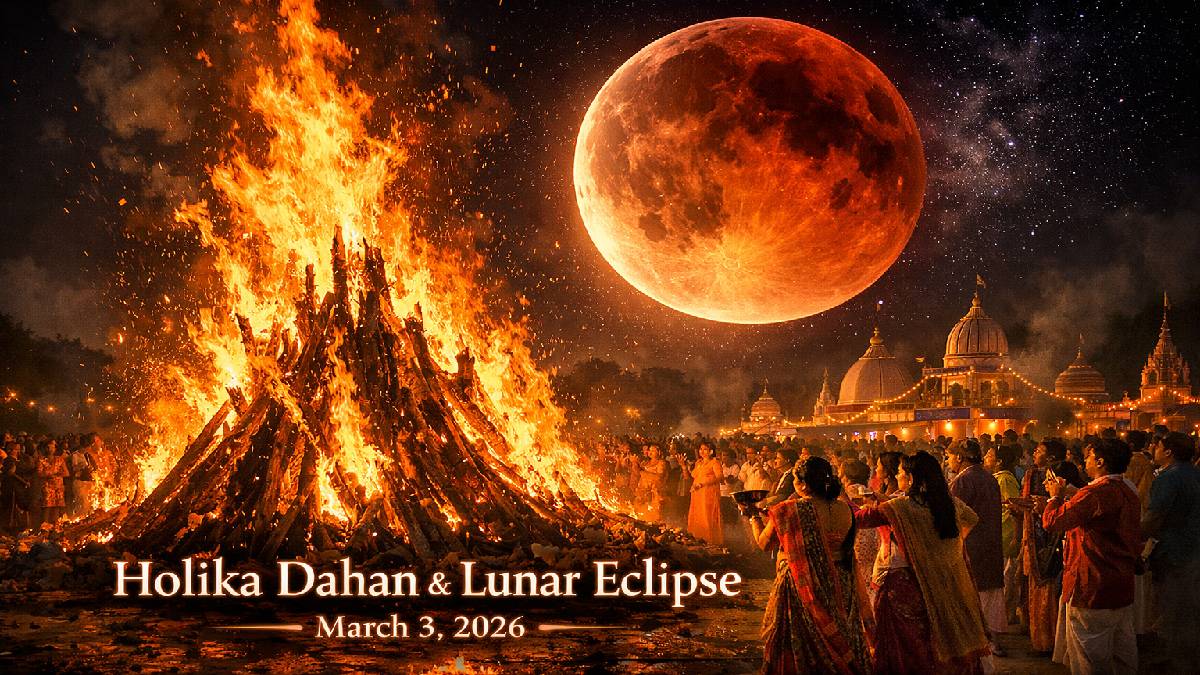
May the Blood Moon of March 2026 bring more than just an astronomical event; it is an opportunity to stop and contemplate the universe. Whether you find yourself watching it alone or along with friends, savor the beauty of our heavenly neighborhood. You’ll remember this evening, the next time the Moon turns red, when the sky itself becomes a canvas of wonder.