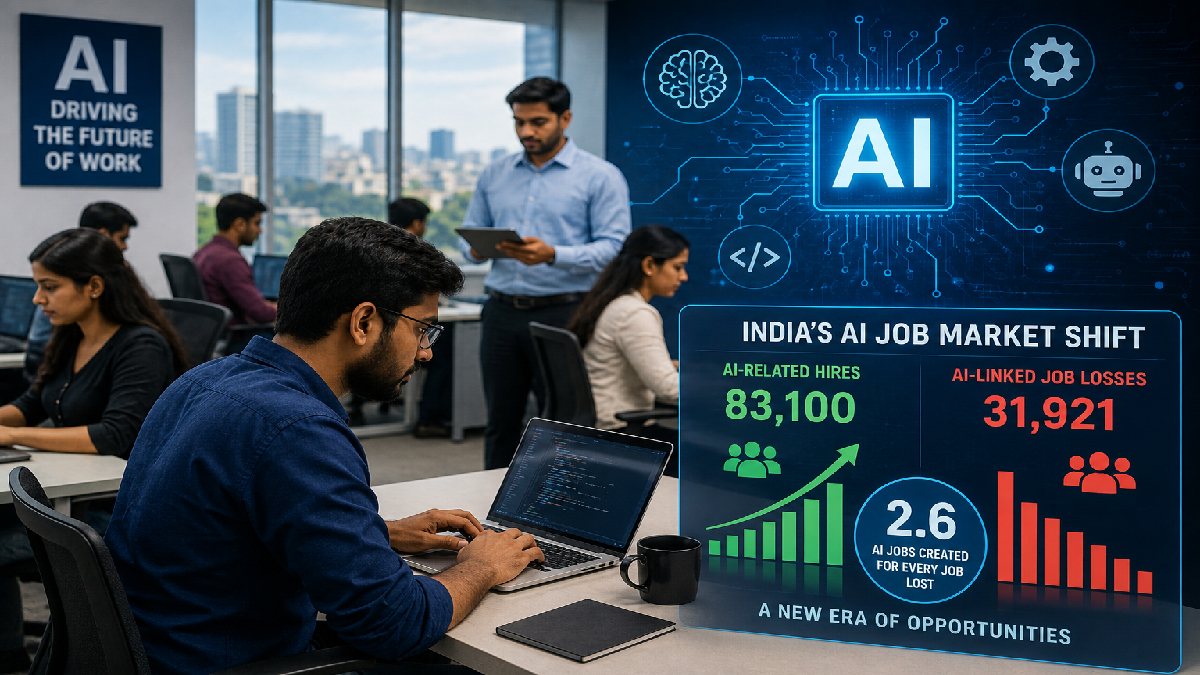
For decades, we’ve lived under a mute, implicit social contract: We are valued based on our productivity. We are our job titles, our hourly payrolls, and the complicated intellectual puzzles we unravel. But as we stand in 2026, with a kind of artificial intelligence that measures but also often exceeds our “economic value” and “intellectual pretense,” that contract is being shredded.
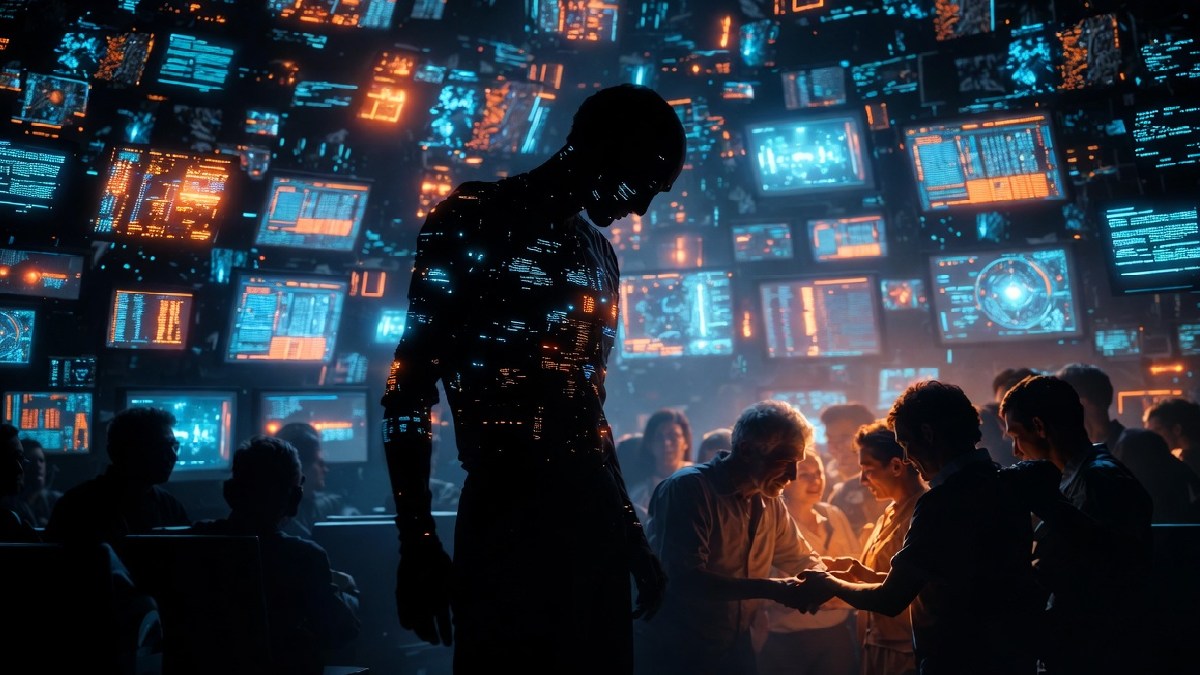
The outcome is a mounting crisis of self-worth. Yet if a machine can write better code, diagnose diseases more accurately, and assess market trends faster than any human, where does it lead us? The solution appears to be a pathway to the “Human Premium” the activities we do not pay for, but that matter.
The Fragility of the Intellectual Ego
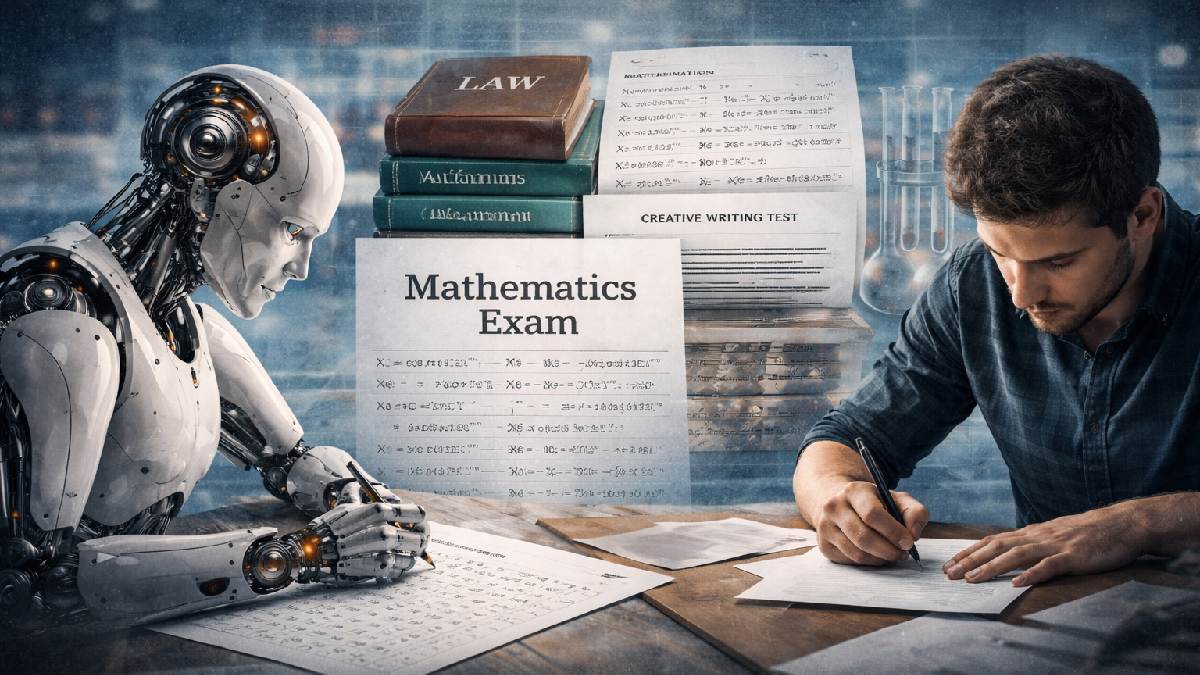
The displacement of our current anxiety is due to high-stakes “knowledge work” we all share and, as a result, we are going through. For a long time, to digest complex information was regarded as the high point of human originality, for the ability to make sense of that information. Yet generative AI has made "being the smartest person in the room" a commodity.
When self-esteem is founded on claims of intellectual advantage or market scarcity, it is susceptible to each software update. That “intellectual pretense” is what AI confronts with the utmost challenge. It makes us question: If I’m not my utility, then who am I?
What are the 'Un-AI-able' Human activities?
As the white-collar world races to find stability, a great swath of human life goes entirely unscathed. These are essentially acts of intrinsic value - love, devotion, tradition, presence-based labor.
- The Labor of Care: Taking care of children and looking after the elderly is not simply "output." It is a matter of the emotional strength inherent to the existence of that presence. A robot can serve you a meal, but it will never be able to provide the soothing truth of a shared memory or the subtlety of an empathetic look.
- The Stewards of the Earth: Forest rangers and small-scale farmers tend to emerge from high-paying positions in corporations to head out to the land. They do it for the love of the forest, or for the satisfaction of the harvest. Their benefit is the involvement with the cycle of life, and there is nothing from a processor that can provide that.
- The Devotion of the Ritualist: Take the temple priest who performs daily rituals in an empty temple, the classical musician who practices for hours to play for only a few listeners. These don't "market" things. They are practices of discipline and devotion that have significance in the doing, not the selling.
A Future for Purpose, Not Profit
With AI assuming the “implementation details” of the world economy, then humanity could be in for a Great Reorientation. If machines deliver the clay (efficiency and commodities) a man must produce soul. As a society moving toward them the state is now:
- Dignity is Decoupled from Income: We may eventually stop asking children “What do you want to be?” and instead ask "How do you want to contribute?"
- The “Soft” Skills Are the Hard Skills: Empathy, nuanced judgment and community-building are all becoming the new gold standards of human contribution.
- Local and Authentic vs Digital and Perfect: In a time of endless machine mediated “perfect” content, the imperfect, raw, and local, would become the best asset.